https://le.utah.gov/xcode/Title41/Chapter6a/41-6a-S1635.htmlVUnderstanding Window Tint Installation Cost: A Complete Guide to Expenses and Value
Unsure how much professional window tint installation will set you back in Salt Lake City? This guide breaks down typical cost ranges, key pricing factors, film categories, vehicle-specific rates, and long-term benefits of window tinting. You’ll learn how film type, vehicle size, labor, and local regulations influence your total expense, compare ceramic, carbon, dyed, and metalized film pricing, see cost tables for sedans, SUVs, and trucks, and discover why choosing 801 ASAP Auto Detailing ensures transparent, high-quality service.
What Are the Average Window Tint Installation Costs in Salt Lake City?
Average window tint installation in Salt Lake City spans from budget-friendly dyed films to premium ceramic options, with typical full-car installation ranging between $150 and $900. These averages account for vehicle type, number of windows, and film performance characteristics. Understanding local price benchmarks helps you set realistic expectations before booking an appointment.
How Much Does It Cost to Tint Different Vehicle Types?
Different vehicle classes carry distinct window counts and labor requirements, driving price variation. Sedans, SUVs, and trucks each present unique installation complexities and material needs.
These figures show how vehicle size and window configuration affect installation time and film usage, leading to cost differences that we’ll explore in detail next.
What Is the Price Range for Various Window Tint Films?
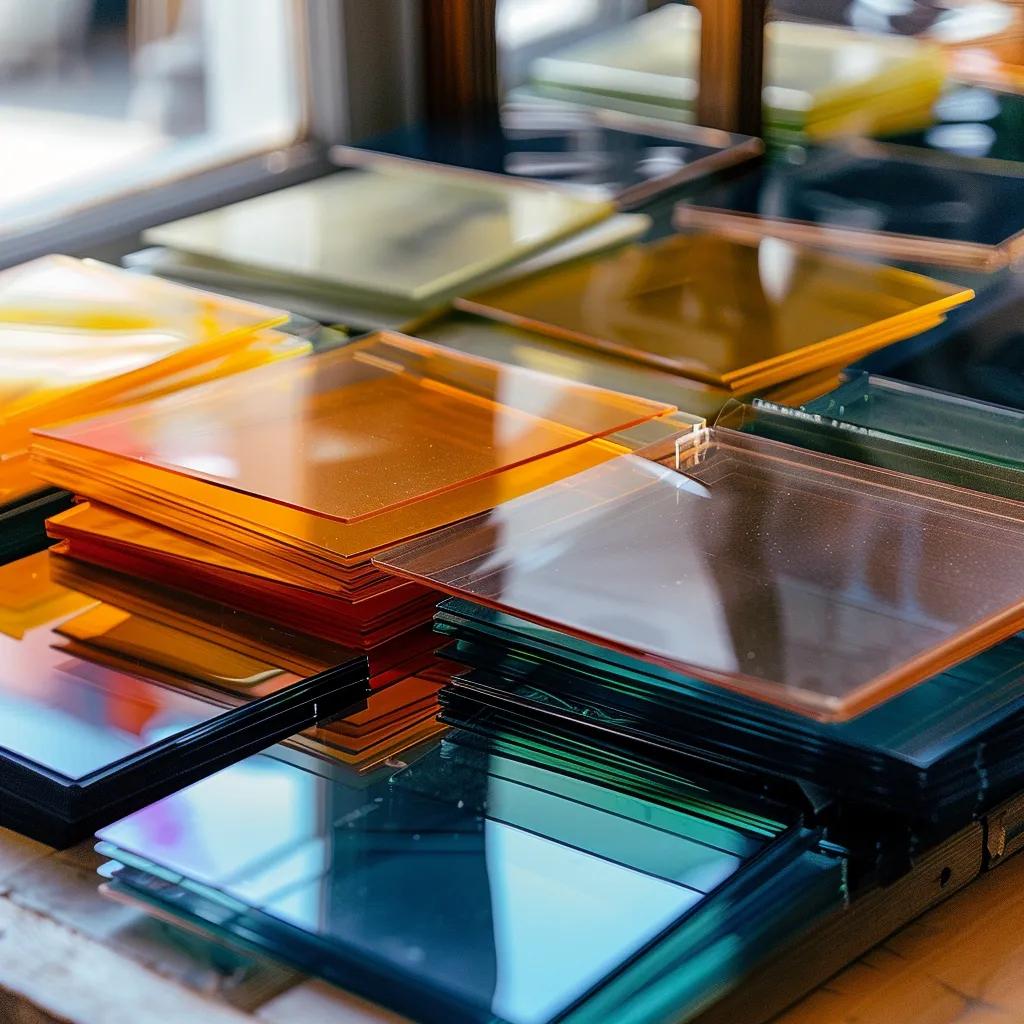
Window tint films vary in material science and performance, which directly impacts pricing. The table below compares common film categories by cost and key feature.
Premium films like ceramic command higher rates due to advanced nano-ceramic technology, while dyed films offer an entry-level option. Film choice sets the foundation for both cost and performance in your vehicle.
How Does 801 ASAP Auto Detailing’s Pricing Compare Locally?
801 ASAP Auto Detailing delivers professional window tint installation services with transparent rate sheets posted online. Our full-car packages start at $199 for dyed film and extend to $799 for top-tier ceramic tints. We pair competitive pricing with expert workmanship and a satisfaction warranty.
By choosing our window tint installation services you gain clear cost breakdowns, no hidden fees, and personalized recommendations for your vehicle.
Transparent local benchmarking ensures you pay fair market rates while benefiting from our specialized skills. Next, we’ll examine the core factors that influence these costs in greater detail.
What Factors Influence the Cost of Window Tint Installation?
Several elements combine to determine your final quote, including film quality, vehicle dimensions, installation complexity, old film removal, and compliance with local tint laws. Recognizing how each factor contributes to pricing lets you customize a package to match budget and performance goals.
How Does Film Type Affect Window Tinting Price?
Film selection drives material expenses and performance outcomes. Installation providers calculate cost premiums based on film complexity and longevity.
- Dyed Film offers economical UV and glare reduction at a lower material cost.
- Carbon Film injects carbon particles for durability and a sleek matte aesthetic.
- Ceramic Film uses nano-ceramic particles to block infrared heat and nearly 100 percent UV rays.
- Metalized Film embeds metallic layers to reflect heat but may impact radio and GPS reception.
Higher-performance films require advanced cutting tools and meticulous installation, which translates to elevated price points for premium options.
How Does Vehicle Size and Window Count Impact Cost?
Vehicle dimensions determine the number of glass panels to be tinted and the degree of curvature installers must navigate.
- Window Count: More windows increase film usage and cutting time.
- Curvature Complexity: Tighter curves require precision trimming and heat-shrinking.
- Glass Surface Area: Larger panes need more film square footage.
Sedans generally present the simplest installations, while SUVs and trucks often involve additional labor and material, driving up total costs.
What Role Does Labor and Old Tint Removal Play in Pricing?
Removing old or deteriorating film adds significant labor hours and potential disposal fees. Technicians may charge:
- Basic Removal Fee: $50 – $100 for straightforward peel-off jobs.
- Complex Removal: $100 – $150 if adhesive solvents and careful trimming are required.
Thorough surface preparation ensures flawless film adhesion and longevity, justifying the additional cost of meticulous removal work.
How Does Location and Local Regulations Affect Tinting Expenses?
Salt Lake City regulations set maximum visible light transmission (VLT) levels and inspection requirements that tint providers must follow. Compliance may involve:
- Permit Fees: Local authorities can impose $10 – $30 for tint permits.
- Re-inspection Costs: Non-compliant films require removal or adjustment, potentially adding $75 – $150 in re-tinting charges.
Working with a reputable installer familiar with Utah tint laws helps avoid add-on expenses tied to legal noncompliance.
What Are the Different Types of Window Tint Films and Their Costs?
Window tint films fall into four main categories, each with distinct material properties and cost implications. Understanding these types ensures you select the right balance of price, performance, and warranty coverage.
What Are the Benefits and Price of Ceramic Window Tint?

Ceramic window tint resists heat and blocks UV by integrating microscopic ceramic particles that do not fade over time.
- Mechanism: Nano-ceramic layers absorb and dissipate infrared heat.
- Benefit: Up to 60 percent reduction in cabin temperature and 99 percent UV protection.
- Price Range: $350 – $900 for a full-car installation.
Ceramic film’s stability and signal-friendly composition make it a premium choice for long-term comfort and health protection.
How Much Does Carbon Window Tint Cost and What Are Its Advantages?
Carbon tint embeds carbon black within the film to deliver a non-reflective matte finish and solid heat-blocking performance.
- Mechanism: Carbon pigments scatter sunlight and resist fading.
- Benefit: Durable appearance with moderate infrared rejection.
- Price Range: $180 – $650 for complete vehicle coverage.
This mid-range option balances cost and longevity for drivers seeking upgraded aesthetics without the premium ceramic price tag.
What Is Dyed Window Tint and Why Is It More Affordable?
Dyed tint uses a layer of dye between adhesive and protective top coats to absorb solar energy.
- Mechanism: Dye pigments trap heat within the film layers.
- Benefit: Effective glare reduction and basic UV defense at entry-level cost.
- Price Range: $100 – $400 for a standard car installation.
While prone to color fading over time, dyed films suit budget-conscious customers seeking immediate privacy and sun control.
What Are Metalized Window Tint Features and Pricing?
Metalized film contains metallic particles that reflect sunlight away from the vehicle’s glass.
- Mechanism: Metal flakes create a mirror-like barrier against infrared and UV rays.
- Benefit: Strong heat rejection and scratch-resistant surface.
- Price Range: $200 – $700 for full-car coverage.
Signal interference and higher reflectivity require installer expertise to optimize performance and compliance with glare regulations.
How Does Vehicle Type Affect Window Tint Installation Expenses?
Vehicle classification influences both material needs and labor intensity, shaping the final investment in professional tinting services.
What Is the Typical Cost to Tint a Sedan’s Windows?
Tinting a four-door sedan—usually six to seven windows including vent and quarter panels—costs between $150 and $400. Technicians complete this in 2–3 hours, balancing material use and curve management for a clean, uniform finish that enhances comfort and privacy.
How Much Does SUV Window Tinting Cost in Salt Lake City?
SUV installations involve larger windows and often rear hatch glass, increasing film requirements and installation complexity. Expect rates of $250 to $600, with an emphasis on heat rejection in Utah’s summer climate to protect passengers and prevent interior damage.
What Are the Tinting Prices for Trucks and Larger Vehicles?
Pickup trucks and vans typically feature four to seven windows plus windshield sun strips, resulting in $200 to $550 total tinting costs. Flat, vertical glass panels speed installation but may require custom trimming for slide-up rear windows.
Is Window Tinting Worth the Cost for Salt Lake City Drivers?
Window tint installation combines aesthetic, comfort, and protective benefits that often outweigh initial expense, especially under Utah’s intense sun exposure and temperature swings.
Cost and Benefits of Window Tinting
The cost of window tinting varies based on factors such as film type, vehicle size, and installation complexity. However, the investment can provide long-term benefits, including reduced interior heat, enhanced privacy, and potential increases in vehicle resale value.
Consumer Reports, “Window Tinting Guide” (2024)
This citation provides context for the cost-benefit analysis of window tinting, as discussed in the article.
How Does Window Tinting Protect Against UV Rays and Heat?
Window Tinting and UV Protection
Window tinting effectively blocks a significant portion of harmful ultraviolet (UV) radiation, which can help protect vehicle interiors from fading and reduce the risk of skin damage for occupants. The specific percentage of UV blockage varies depending on the film type, with many premium films offering nearly complete protection.
National Cancer Institute
This research supports the article’s claims about the protective benefits of window tinting against UV rays.
This protection reduces interior fade, lowers cabin temperature, and safeguards skin health in high-UV environments.
What Privacy and Interior Preservation Benefits Does Tinting Provide?
Tinted windows restrict external visibility into your vehicle, enhancing privacy and security. By filtering UV light, tinting prevents upholstery and dashboard materials from fading and cracking, preserving interior resale value.
How Does Window Tinting Affect Vehicle Resale Value?
Well-installed window tint can boost resale value by $200 – $500, as buyers recognize improved climate control, interior preservation, and enhanced curb appeal. Quality film and professional application signal long-term care to prospective purchasers.
Why Choose 801 ASAP Auto Detailing for Your Window Tint Installation?
Selecting an experienced, locally focused provider ensures compliance with Utah regulations, consistent quality, and lasting performance from your window tint investment.
What Expertise and Quality Does 801 ASAP Auto Detailing Offer?
Our certified technicians bring years of specialized training in automotive film application, delivering precise edge seals and wrinkle-free finishes. This expertise reduces risk of bubbling or peeling and maximizes film longevity.
How Does 801 ASAP Ensure High-Quality Tint Films and Service?
We partner with industry-leading brands such as 3M, Llumar, and Xpel, offering robust warranties and proven heat-rejection performance. Films are stored and handled under optimal conditions to preserve their protective properties.
How Can Customers Easily Book Appointments and Get Transparent Quotes?
Customers can request an instant estimate through our online booking system or call our Salt Lake City shop for a free consultation. Clear service menus and straightforward rate sheets eliminate surprises and streamline scheduling.
What Are the Most Common Questions About Window Tint Installation Costs?
Automotive window tinting raises recurring inquiries about pricing fairness, film comparisons, and service details. Below are concise answers to these high-interest questions.
How Much Does It Cost to Tint All Windows on a Car?
Full-car tinting ranges from $150 to $900 depending on your chosen film type, vehicle size, and number of panels. Entry-level dyed films begin near $150, while premium ceramic packages can reach $900.
What Is a Fair Price for Professional Window Tinting?
A fair market rate for comprehensive professional tinting falls between $200 and $600, balancing film quality, installer expertise, and warranty coverage for durable, high-performance results.
How Much Does Ceramic Tinting Cost Compared to Other Types?
Ceramic tint seats at the top of the pricing spectrum—$350 – $900—while carbon films average $180 – $650, metalized options range $200 – $700, and dyed films cost $100 – $400 for full-vehicle applications.
What Is the Cost to Remove Old Window Tint?
Old film removal typically adds $50 – $150 to your installation invoice, depending on adhesive strength and glass condition, ensuring a clean surface for new film adhesion.
Is Window Tinting a Good Investment for Utah’s Climate?
Yes, window tinting can reduce interior heat by up to 60 percent and block nearly all UV radiation, offering immediate comfort and long-term protection against sun damage in Utah’s intense sunlight.
Professional window tint installation cost in Salt Lake City depends on film type, vehicle class, and installation complexity, but the investment repays itself through enhanced comfort, UV protection, privacy, and interior preservation. By choosing 801 ASAP Auto Detailing—Salt Lake City’s trusted tint specialist—you benefit from transparent pricing, industry-leading films, and expert workmanship. Schedule your appointment today to lock in fair rates and superior service for your vehicle.
Frequently Asked Questions
What are the legal regulations regarding window tinting in Salt Lake City?
In Salt Lake City, window tinting regulations dictate the maximum allowable visible light transmission (VLT) levels for different windows. For example, the front windshield must allow at least 70% VLT, while the side and rear windows can have darker tints. Compliance with these regulations is crucial to avoid fines and ensure safety. It’s advisable to consult with a professional installer familiar with local laws to ensure your tinting meets all legal requirements.
How long does the window tint installation process typically take?
The duration of window tint installation can vary based on the vehicle type and the number of windows being tinted. Generally, a full installation for a standard sedan takes about 2 to 3 hours, while larger vehicles like SUVs and trucks may require 3 to 5 hours. Factors such as the complexity of the installation and the type of film used can also influence the time needed. It’s best to check with your installer for a more accurate estimate based on your specific vehicle.
What warranties are typically offered with window tint installations?
Most professional window tint installations come with warranties that cover defects in materials and workmanship. Warranties can range from a few years to a lifetime, depending on the film type and the installer. For instance, premium films like ceramic often include longer warranties due to their durability and performance. Always inquire about warranty details before installation to understand what is covered and the process for making claims if issues arise.
Can window tinting affect visibility at night?
Window tinting can impact nighttime visibility, particularly with darker films. While many drivers appreciate the privacy and heat rejection benefits of tinted windows, it’s essential to choose a film that balances these advantages with safety. Lighter tints generally provide better visibility at night, while darker options may reduce glare from oncoming headlights. Consulting with a professional can help you select a tint that meets your aesthetic preferences without compromising safety.
What maintenance is required for tinted windows?
Maintaining tinted windows is relatively straightforward. After installation, it’s recommended to wait at least 48 hours before rolling down the windows to allow the film to cure properly. Regular cleaning with a soft cloth and a mild, ammonia-free cleaner will help preserve the film’s appearance. Avoid using abrasive materials that could scratch the surface. Additionally, periodically check the edges for any signs of peeling or bubbling, and address any issues promptly to ensure longevity.
Are there any specific benefits of ceramic window tint compared to other types?
Ceramic window tint offers several advantages over other types, including superior heat rejection and UV protection without interfering with signals. It blocks up to 99% of harmful UV rays and significantly reduces infrared heat, making it ideal for maintaining a comfortable cabin temperature. Additionally, ceramic films are less prone to fading and discoloration over time, ensuring long-lasting performance. While they are typically more expensive, the benefits often justify the investment for many vehicle owners.
How can I ensure my window tint installation is done correctly?
To ensure a proper window tint installation, choose a reputable and experienced installer who specializes in automotive tinting. Look for reviews and testimonials from previous customers to gauge their satisfaction. Additionally, ask about the types of films used and the warranty offered. A professional installer will also be knowledgeable about local regulations and can provide guidance on the best film options for your needs. Finally, inspect the installation upon completion to ensure there are no bubbles or imperfections.