Is Window Tint Installation Worth the Cost for Your Salt Lake City Vehicle?
Determining whether window tint installation is worth the cost for your Salt Lake City vehicle hinges on the value it delivers through superior UV protection, significant heat reduction, enhanced privacy, and a potential boost in resale value. At 801 ASAP Auto Detailing, our professional window tint installation service uses high-performance films engineered to meet Utah regulations and deliver lasting results. In this guide, we’ll define what window tinting involves, explore its key benefits, break down cost drivers, clarify Utah’s tinting laws, explain how to choose a qualified installer, review financing options, and answer common questions. By the end, you’ll understand exactly why investing in quality tint film can pay dividends for your vehicle’s comfort, safety, and long-term value.
What Is Window Tinting and How Does It Work?
Window tinting is the process of applying a thin, multi-layered film to a vehicle’s glass surfaces to block UV rays, reject solar heat, and reduce glare. Technicians cut and adhere the film precisely to each window, using heat-activated adhesives to form a seamless bond that resists bubbling and peeling. For example, a ceramic film incorporates microscopic ceramic particles that filter out up to 99% of ultraviolet radiation while maintaining optical clarity. Understanding this foundational mechanism sets the stage for evaluating the specific films available for your vehicle.
What Types of Window Tint Films Are Available?
Window tint films vary by material composition and performance characteristics. The following table compares primary film types on their core attributes:
Each film type balances cost, durability, and performance differently, guiding drivers toward the ideal solution for their climate and comfort needs. With film varieties clear, the next step is understanding how a professional installer executes a flawless application.
How Is Window Tint Professionally Installed?
Professional window tint installation ensures precise film alignment, thorough surface preparation, and use of manufacturer-approved adhesives to guarantee durability. Technicians begin by cleaning glass with automotive-grade solvents, then custom-cut and dry-fit the film before using heat guns to activate the adhesive and remove any trapped moisture. This multi-stage process prevents bubbles, wrinkles, and premature peeling. Investing in expert tint installation not only preserves optical clarity but also maintains warranty coverage and long-term performance, leading directly into the tangible benefits that make tinting a worthwhile investment.
What Are the Key Benefits of Window Tinting for Your Car?
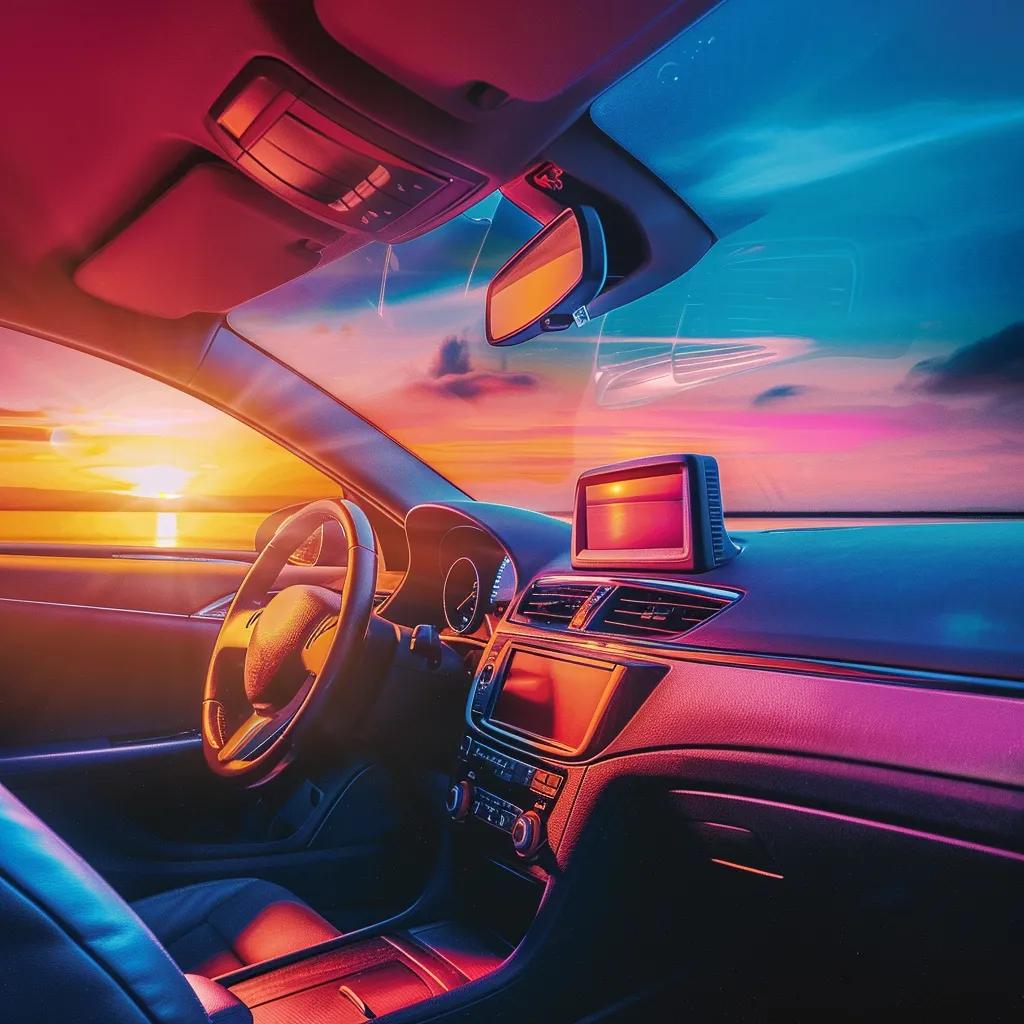
Window tinting delivers a suite of benefits that pay back the initial cost through improved safety, comfort, and vehicle preservation. From blocking harmful ultraviolet radiation to boosting privacy and resale prospects, quality tint film transforms your driving experience. Below, we examine each advantage and how it contributes to overall value.
How Does Window Tint Provide UV Protection and Preserve Interiors?
Tint film provides up to 99% UV radiation blockage by using UV-absorbing dyes or ceramic particles, safeguarding skin health and preventing dashboard and upholstery fading. For example, ceramic window tint on a midsize sedan can reduce interior sun damage by shielding leather seats and plastic trim from UV-induced cracking. This protective barrier extends the lifespan of interior surfaces and keeps cabin components looking newer longer, leading into how tint also manages heat for better comfort and efficiency.
UV Protection and Interior Preservation
Window tinting effectively blocks up to 99% of harmful ultraviolet (UV) radiation, safeguarding both skin health and the vehicle’s interior. This protection prevents fading and cracking of the dashboard and upholstery, extending the lifespan of these components.
Skin Cancer Foundation
This citation supports the article’s claim about the UV protection benefits of window tinting.
In What Ways Does Window Tint Reduce Heat and Improve Fuel Efficiency?
Tint film cuts solar infrared (IR) heat before it enters the cabin, easing the load on climate control systems and improving fuel economy by up to 5%. The table below shows typical performance differences:
By lowering cabin temperature, tinted windows reduce air-conditioning runtime and support better gas mileage, making your vehicle more efficient on Salt Lake City’s sunny days. These thermal advantages naturally complement enhanced privacy and security features.
Heat Reduction and Fuel Efficiency
By reducing solar infrared (IR) heat, window tinting can significantly lower the temperature inside a vehicle’s cabin. This reduction in heat eases the strain on air conditioning systems, potentially improving fuel economy by up to 5%.
U.S. Department of Energy
This citation supports the article’s claims regarding the heat reduction and fuel efficiency benefits of window tinting.
How Does Window Tint Increase Privacy and Enhance Vehicle Security?
Tinted windows obscure interior views with lower Visible Light Transmission (VLT) ratings, deterring opportunistic theft by preventing passersby from spotting valuables. They also reduce glare from headlights and streetlights, further shielding occupants from prying eyes at night. Increased cabin privacy protects both personal belongings and passenger comfort, reinforcing the sense of security on every drive.
Can Window Tinting Reduce Glare and Improve Driving Safety?
Tint film reduces reflective glare from wet roads, snow, and oncoming headlights by integrating polarized or reflective coatings that filter intense light. This glare reduction decreases eye strain, enhances visual acuity, and contributes to safer driving conditions during dawn, dusk, and nighttime hours. Improved visibility supports quicker reaction times and a more comfortable driving posture over long commutes.
Does Window Tint Installation Boost Your Car’s Resale Value?
Professionally installed tint signals to prospective buyers that the vehicle has been well cared for, often translating into a 2–4% higher resale valuation. By preserving interior materials and projecting attention to maintenance, window tinting can enhance curb appeal and yield a stronger asking price when it’s time to sell or trade in your car.
What Factors Influence the Cost of Window Tint Installation?
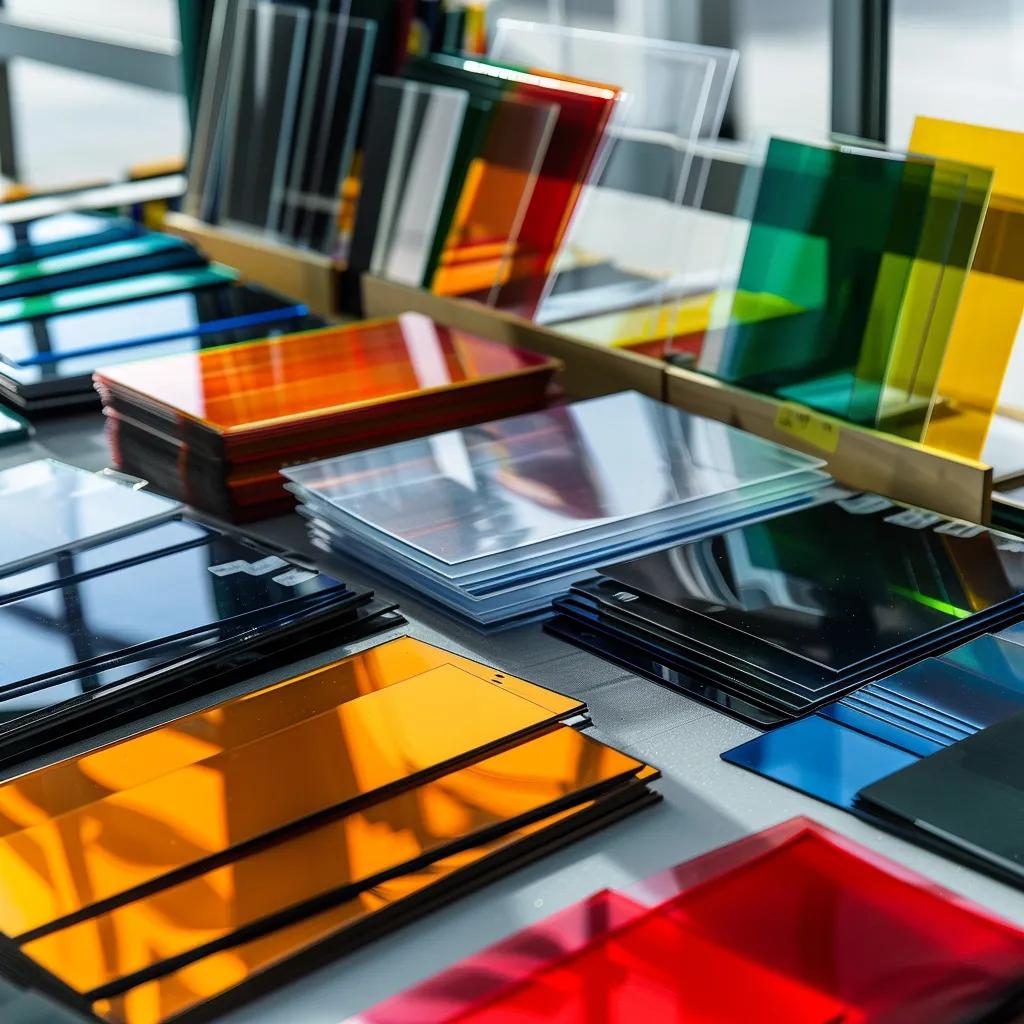
Understanding cost drivers helps you select the right balance between budget and performance. Four primary factors determine your final investment in window tinting:
How Do Different Tint Types Affect Price and Performance?
Film material and brand influence both initial cost and long-term value. The table below outlines typical price ranges and attributes:
Ceramic films command a premium price for superior heat rejection and longevity, while dyed options offer budget-friendly protection with moderate performance. These trade-offs set the stage for evaluating vehicle size and installation complexity.
How Does Vehicle Size and Window Complexity Impact Cost?
Larger vehicles and specialty windows require more film material and extended labor time, increasing total cost. A standard four-door sedan typically ranges from $200 to $300, whereas an SUV or truck can cost $300 to $450. Custom shapes—like panoramic roofs or quarter windows—add cutting time, making installation on crossovers slightly more expensive than on compact cars.
Why Is Professional Installation Worth the Extra Cost Compared to DIY?
Professional installation includes precision cutting, expert surface preparation, and manufacturer-backed warranties that DIY kits lack. While DIY kits start around $50, they often result in bubbled or peeling film, voiding any manufacturer coverage. Investing in skilled technicians ensures a flawless finish and ongoing support for any future issues, protecting your long-term investment.
What Are the Average Window Tinting Costs in Salt Lake City, Utah?
Local pricing averages reflect market demand and compliance with Utah’s regulations. Typical cost ranges include:
- Sedans and Coupes: $200–$300
- SUVs and Trucks: $250–$400
- Windshield Sun Strip Only: $150–$200
These localized figures help you budget accurately and compare service providers on value and expertise.
What Are Utah’s Window Tint Laws and How Do They Affect Your Installation?
Adhering to state regulations ensures your tint is legal and hassle-free. Utah law specifies Visible Light Transmission (VLT), reflectivity limits, and medical exemptions that shape film selection.
What Are the Allowed Visible Light Transmission (VLT) Percentages in Utah?
Utah requires:
- Front side windows: Minimum 35% VLT
- Back side and rear windows: Any darkness allowed
- Windshield: Non-reflective tint above the AS-1 line only
These limits guide your choice of film darkness to stay compliant while maximizing benefits.
Are There Restrictions on Tint Colors and Reflectivity?
Reflective or mirror-finish films are prohibited on all windows. Approved films must be charcoal or black-based, avoiding metallic or colored coatings that could increase glare or violate standards. This ensures both safety and legal compliance on Utah’s roads.
What Medical Exemptions Exist for Window Tinting in Utah?
Drivers with documented photosensitivity conditions may apply for medical exemptions allowing lower VLT percentages on front windows. Official approval from a licensed physician is required before installation of darker films with VLT below 35%.
How Do You Choose the Right Professional Window Tint Installer?
Selecting a qualified installer guarantees optimal results, warranty protection, and peace of mind. Focus on three key factors when evaluating service providers.
Why Is Certification and Experience Important for Tint Installation?
Certified installers have manufacturer-led training on precise cutting methods, proper adhesive use, and curing techniques. This expertise minimizes defects and maximizes film longevity. Technicians trained by leading brands like 3M or LLumar consistently deliver bubble-free applications that meet high standards.
What Warranty and Aftercare Should You Expect?
A comprehensive warranty covers film defects—such as peeling, bubbling, or discoloration—for 5–10 years, while workmanship guarantees address installation quality. Expect free service calls for minor adjustments and clear aftercare guidelines to maintain peak performance.
How Can Local Customer Reviews and Testimonials Help Your Decision?
Customer reviews on platforms like Google and Yelp reflect real-world satisfaction and service consistency. Salt Lake City installers with 4.8+ star ratings and detailed before-and-after galleries demonstrate reliability and build trust in choosing the right provider.
What Financing and Payment Options Are Available for Window Tint Installation?
Flexible payment plans can make premium tint films more accessible. Explore these common options to manage your investment.
Are There Payment Plans or Financing Services for Tinting?
Many shops partner with third-party financing like CareCredit or offer in-house payment plans with 0% APR over 6–12 months. This approach spreads the cost of premium ceramic or carbon films into manageable monthly installments.
How Can You Get a Quote or Estimate for Your Vehicle?
To receive a personalized estimate, provide your vehicle’s make, model, and desired VLT level via phone or online form. Technicians will calculate film area, labor time, and applicable discounts to deliver a detailed quote within 24 hours.
What Are the Most Common Questions About Window Tint Installation?
Industry experts field similar queries about longevity, interference, and maintenance—questions that underscore tinting’s real-world impact.
How Long Does Professional Window Tint Last?
High-quality ceramic films can last 10 years or more with proper care, while standard dyed films typically maintain performance for about 5 years before noticeable fading or peeling occurs. Lifespan variations depend on film composition, installation quality, and exposure to sunlight.
Will Window Tint Interfere with My Car’s Electronics or Signals?
Premium non-metallic films—such as ceramic and carbon—use composite materials that do not block GPS, Bluetooth, or cellular signals. Only metallic films carry a risk of minor interference with radio reception, making non-metallic options ideal for modern vehicles. Ceramic coating is a popular choice for those seeking durability and protection.
Can I Remove Old Window Tint Myself Safely?
While DIY removal with heat guns and adhesive solvents is possible, it often leaves glue residue and risks glass scratches. Professional removal services use specialized tools and solvents to ensure clean extraction without damaging window surfaces.
Is Window Tinting Worth the Money for Salt Lake City Drivers?
Yes, for Salt Lake City’s intense sun and high UV exposure, investing in quality window tint pays dividends through interior preservation, significant heat reduction, enhanced privacy, improved driving safety, and potential resale value increases.
Window tint installation provides measurable benefits in sun protection, thermal comfort, privacy, and long-term vehicle preservation that far outweigh the upfront expense. By choosing a certified installer and selecting the right film for your needs, you secure a comfortable, safe, and stylish driving environment. Contact 801 ASAP Auto Detailing today to schedule your professional window tint installation and experience these advantages firsthand.
Frequently Asked Questions
How does window tinting affect insurance premiums?
Window tinting can potentially influence your car insurance premiums. Some insurance companies offer discounts for vehicles with window tinting due to the added protection against theft and interior damage. However, it’s essential to check with your insurance provider to understand their policies regarding tinting. Additionally, ensure that your tint complies with local laws to avoid any complications that could affect your coverage.
What is the best time of year to install window tint?
The best time to install window tint is during mild weather conditions, typically in spring or fall. Extreme temperatures can affect the adhesive used in the installation process, potentially leading to poor adhesion or bubbles. Installing in moderate temperatures allows the film to cure properly, ensuring a smooth and durable finish. Always consult with your installer for their recommendations based on local climate conditions.
Can window tinting help reduce interior noise?
Yes, window tinting can help reduce interior noise levels. Certain types of window films, particularly those with thicker layers, can act as sound barriers, minimizing the amount of external noise that enters the vehicle. This can enhance the overall driving experience by providing a quieter cabin, making it easier to enjoy music or have conversations without distractions from outside sounds.
What should I do if my window tint starts to bubble?
If your window tint begins to bubble, it’s essential to address the issue promptly. Bubbles can indicate improper installation or moisture trapped beneath the film. You can try gently pressing the bubble with a soft cloth to release air, but if the problem persists, it’s best to consult a professional installer. They can assess the situation and determine whether the film needs to be repaired or replaced to maintain optimal performance.
Are there any environmental benefits to window tinting?
Yes, window tinting can offer environmental benefits by improving energy efficiency. By reducing the amount of solar heat entering the vehicle, tinted windows decrease the reliance on air conditioning, which can lower fuel consumption and reduce greenhouse gas emissions. Additionally, protecting the vehicle’s interior from UV damage can extend its lifespan, contributing to less waste and a more sustainable approach to vehicle maintenance.
How can I ensure my window tint is compliant with local laws?
To ensure your window tint is compliant with local laws, familiarize yourself with the specific regulations regarding Visible Light Transmission (VLT) and reflectivity in your area. In Utah, for example, front side windows must have a minimum of 35% VLT. Consult with your professional installer, as they should be knowledgeable about local laws and can help you select a film that meets legal requirements while still providing the desired benefits.
What are the differences between professional and DIY window tinting?
Professional window tinting typically offers superior results compared to DIY options. Professionals have access to high-quality materials, specialized tools, and extensive training, ensuring a flawless installation without bubbles or imperfections. DIY kits may be more affordable but often result in subpar application and potential damage to the vehicle. Additionally, professional installations usually come with warranties, providing peace of mind that DIY methods lack.