Article: # Window Tint vs. DIY Installation Costs Explained: Comparing Professional and DIY Auto Tinting in Salt Lake City
Tinting your vehicle’s windows can improve comfort, privacy, and protection, but should you tackle a DIY kit or hire a professional? In this guide, we compare the true costs, benefits, and pitfalls of DIY window tint installation versus expert service in Salt Lake City. You’ll discover what window tinting entails, average kit and labor prices, hidden expenses, quality differences, legal compliance, and why tint installation delivers lasting value.
This article covers:
- What window tinting is and its primary advantages
- DIY kit pricing, required skill, and common mistakes
- Salt Lake City professional tinting rates, film types, and warranty value
- A side-by-side cost, quality, and durability comparison
- Key reasons to choose ASAP Auto Detailing for flawless results
- Answers to frequently asked questions about tint costs
- Utah tint laws that influence your installation decision
By the end, you’ll understand which approach aligns with your budget, skill level, and long-term satisfaction goals.
What Is Window Tinting and Why Is It Important for Your Vehicle?
Window tinting applies a thin film to automobile glass to block UV rays, reduce heat, and enhance privacy. Beyond a sleek appearance, tinted windows protect interiors from fading, lower cabin temperatures, and shield occupants from harmful radiation. Understanding these benefits clarifies why tinting is a worthwhile investment.
Window tinting offers several impactful advantages:
- UV Protection – Blocks up to 99% of ultraviolet rays, preventing upholstery fading and skin damage.
- Heat Rejection – Reduces infrared heat gain by up to 94%, improving climate control efficiency.
- Glare Reduction – Cuts glare on bright days, enhancing driver visibility and comfort.
- Privacy & Security – Limits external view into the cabin, safeguarding valuables and shielding passengers.
These advantages extend your vehicle’s lifespan and comfort, setting the stage for evaluating cost-effective installation methods.
UV Protection and Window Tinting
Window tinting effectively blocks a significant portion of ultraviolet (UV) rays, which helps to prevent the fading of vehicle interiors and protects occupants from potential skin damage. The level of UV protection can vary depending on the type of film used, with many films blocking up to 99% of UV rays.
National Institute of Standards and Technology (NIST), “UV Radiation and Its Effects” (2024)
This research supports the article’s claims about the benefits of window tinting in protecting against UV radiation.
What Are the Key Benefits of Window Tinting?
Tinted windows deliver three core benefits that directly enhance driving experience and vehicle longevity:
- Interior Preservation – UV and heat rejection prevents dashboard and upholstery cracking.
- Comfort Enhancement – Cooler cabin temperatures reduce reliance on air conditioning, saving fuel.
- Aesthetic Upgrade – Consistent film application elevates curb appeal and resale value.
Focusing on these outcomes ensures you choose the right film type and installation method.
How Do Different Window Films Protect Against UV Rays and Heat?
Several film technologies offer varying levels of protection:
Why Does Window Tinting Enhance Vehicle Privacy and Aesthetics?
Applying window film creates a consistent, reflective surface that obscures interior views while projecting a modern look. Darker tints deliver greater privacy, but legal limits dictate allowed darkness. A uniform film finish conceals imperfections in glass and frames, enhancing overall style without altering vehicle structure.
How Much Does DIY Window Tint Installation Cost and What Are the Challenges?
What Is the Average Price Range for DIY Window Tint Kits?
DIY tint kits typically range from $40 to $100 depending on film quality and included tools. Basic dyed kits start around $40, while premium carbon or ceramic-blend kits approach $100. Entry-level kits may lack precision-cut patterns, requiring additional trimming and measuring.
What Hidden Costs and Common Mistakes Should You Expect with DIY Tinting?
Beyond the kit price, DIY tinting often incurs extra costs:
- Replacement film for bubbles or tears
- Purchase of precision tools (squeegees, utility knives, heat guns)
- Cleaning supplies and dust-free environment setup
Common pitfalls include:
- Bubbles and creases under film
- Poor edge adhesion leading to peeling
- Scratches or dust particles trapped during installation
How Much Time and Skill Does DIY Window Tinting Require?
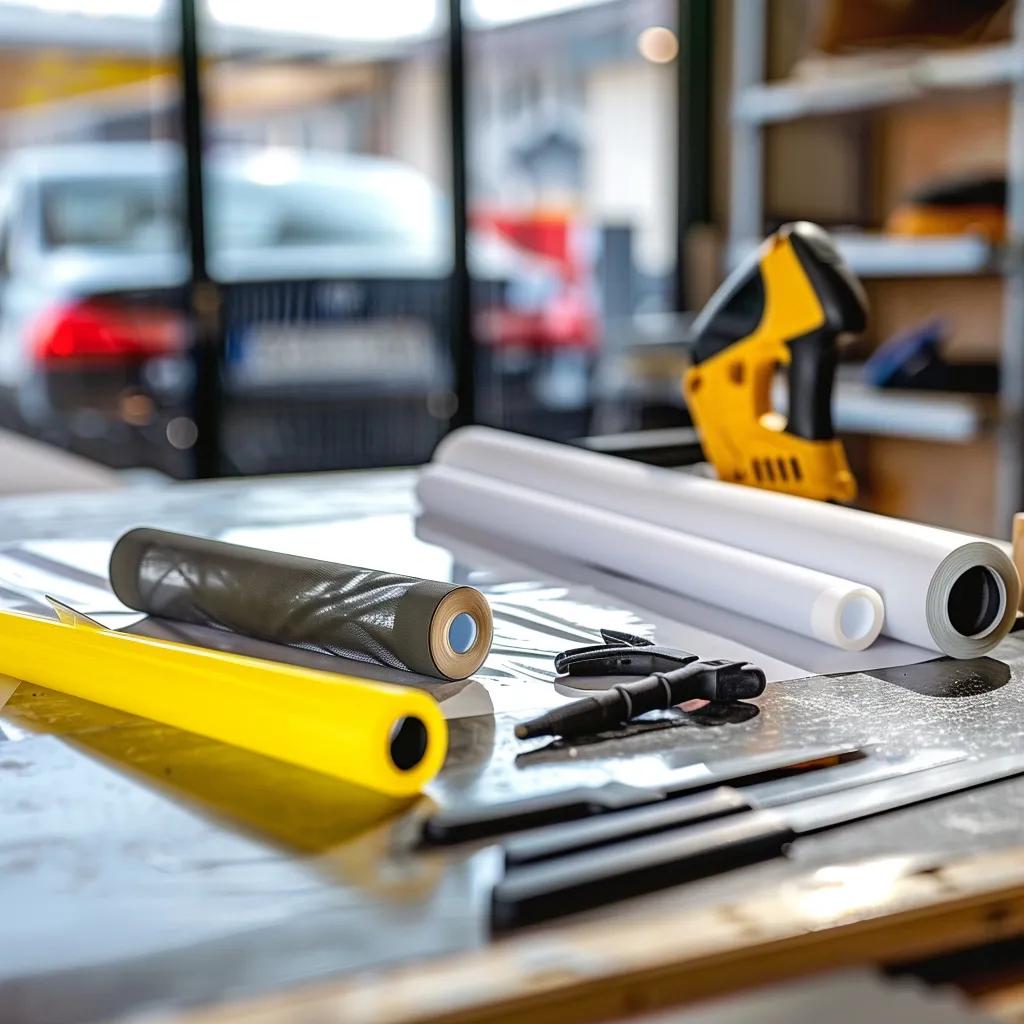
Proper DIY installation demands patience, steady hands, and a controlled environment. Expect to spend 4–8 hours on a standard sedan, mastering precise cuts, alignment, and film smoothing techniques. Lack of experience often translates to repeated attempts, extending project duration and frustration.
What Are the Costs and Advantages of Professional Window Tint Installation in Salt Lake City?

What Is the Typical Price Range for Professional Window Tinting Services?
In Salt Lake City, professional tinting costs vary by film type, vehicle size, and number of windows:
How Do SunTek Carbon and Ceramic Films Compare in Cost and Performance?
SunTek Carbon delivers rich tinting, 99% UV protection, and moderate heat rejection at a mid-range cost. SunTek Ceramic commands a premium for up to 94% infrared rejection, signal-friendly composition, and lasting clarity. Comparing the two: tinting services.
Why Is Expert Installation and Warranty Important for Window Tinting?
Professional installers use calibrated heat tunnels, dust-free booths, and precision templates. This process prevents bubbling, sharp-edge lifting, and premature peeling. A lifetime limited warranty from ASAP Auto Detailing ensures coverage for film defects and adhesion issues, safeguarding your investment.
How Does Professional Tinting Ensure Compliance with Utah Tint Laws?
Utah law specifies Visible Light Transmission (VLT) limits based on window location. Certified technicians measure and document film darkness to meet legal thresholds. This compliance avoids fines and mandatory removal of non-conforming film.
How Do DIY and Professional Window Tinting Compare: Cost, Quality, and Durability?
A direct comparison clarifies trade-offs:
Why Should Salt Lake City Drivers Choose ASAP Auto Detailing for Professional Window Tinting?
ASAP Auto Detailing combines local expertise with SunTek certification to deliver exceptional results. Our West Valley shop serves Salt Lake City drivers with personalized attention and a pursuit-of-perfection motto.
What Makes ASAP Auto Detailing’s SunTek Certified Installation Superior?
Certified SunTek installers use factory-calibrated templates and precision heat-application systems to achieve flawless, bubble-free finishes. This expertise minimizes waste, accelerates turnaround, and enhances film longevity.
How Does ASAP Auto Detailing’s Lifetime Warranty Benefit Customers?
A Lifetime Limited Warranty covers film defects and adhesion issues for as long as you own the vehicle. This guarantee eliminates unexpected replacement costs and reinforces long-term value.
What Do Local Customers Say About ASAP Auto Detailing’s Tinting Services?
Car owners praise our meticulous preparation, clean installations, and attention to UV and heat-rejection performance.
One Salt Lake City customer noted, “My cabin stays cool all afternoon, and the windows look perfect with zero bubbles.”
How Can You Book a Professional Window Tinting Appointment with ASAP Auto Detailing?
Schedule online or call our West Valley shop to reserve a convenient slot. Visit our tint service page for details and appointment requests.
Frequently Asked Questions
What are the benefits of choosing professional window tinting over DIY?
Choosing professional window tinting offers several advantages, including expert installation that ensures a bubble-free finish and compliance with local laws. Professionals use high-quality materials and techniques that enhance durability, often resulting in a lifespan of 5-10 years compared to the 6-12 months typical of DIY jobs. Additionally, professional services often come with warranties that cover defects and adhesion issues, providing peace of mind and long-term value for your investment.
How can I maintain my window tint after installation?
To maintain your window tint, avoid rolling down the windows for at least 48 hours after installation to allow the film to adhere properly. Clean the tinted windows with a soft cloth and a mild, ammonia-free cleaner to prevent damage. Regularly inspect the edges for peeling or bubbling, and address any issues promptly to prolong the life of the tint. Following these steps will help keep your tint looking great and functioning effectively.
Are there specific window tint films recommended for different climates?
Yes, different window tint films can be more effective in various climates. For hot climates, ceramic films are often recommended due to their superior heat rejection properties, which can help keep your vehicle cooler. In contrast, dyed films may suffice in milder climates where UV protection is the primary concern. It’s essential to consider your local weather conditions and personal preferences when selecting the right film for your vehicle.
What should I do if my DIY window tint job goes wrong?
If your DIY window tint job has issues such as bubbles, peeling, or misalignment, you have a few options. You can attempt to fix minor bubbles by using a heat gun to gently warm the film and smooth it out. For more significant problems, it may be best to consult a professional to remove the film and reapply it correctly. Remember that professional installation can save you time and frustration in the long run.
How do I know if my window tint is compliant with Utah laws?
To ensure your window tint complies with Utah laws, check the Visible Light Transmission (VLT) percentages for each window. Front side windows must have a minimum VLT of 43%, while rear side and back windows require at least 35%. You can use a VLT meter, which professionals typically use, to measure the tint darkness accurately. If in doubt, consult a certified installer who can provide documentation of compliance.
What are the environmental impacts of window tinting materials?
Window tinting materials can have varying environmental impacts depending on their composition. Films made from non-toxic materials and those that are recyclable tend to have a lower environmental footprint. Additionally, high-quality films that reduce heat gain can contribute to energy savings by decreasing the need for air conditioning. When selecting window tint, consider the manufacturer’s sustainability practices and the film’s longevity to minimize waste.
Can window tinting affect my vehicle’s resale value?
Yes, window tinting can positively impact your vehicle’s resale value. A professional installation enhances the car’s aesthetic appeal and provides benefits like UV protection and heat rejection, which can be attractive to potential buyers. However, it’s essential to ensure that the tint complies with local laws to avoid any issues during resale. High-quality, professionally installed tint can make your vehicle stand out in the market, potentially leading to a higher selling price.
Is Professional Window Tinting Worth the Extra Cost?
Yes. Professional window tinting from ASAP Auto Detailing delivers superior durability, a lifetime warranty, and legal compliance, avoiding DIY pitfalls like bubbling and early peeling.
How Much Does a DIY Window Tint Kit Typically Cost?
DIY kits range from $40 for basic dyed film to $100 for premium carbon or ceramic-blend options, excluding tools and potential rework costs.
What Are the Main Risks of DIY Window Tint Installation?
Common risks include trapped dust, bubbles, uneven edges, film tearing, and lack of warranty, often leading to professional correction expenses.
What Types of Window Films Does ASAP Auto Detailing Use?
We offer SunTek Carbon and SunTek Ceramic films, both providing 99% UV protection. Ceramic film further rejects up to 94% of infrared heat without interfering with signals.
How Long Does Professional Window Tinting Last Compared to DIY?
Professionally installed films last 5–10 years under normal conditions, whereas DIY installations often degrade within 6–12 months.
How Do Utah Window Tint Laws Affect Your Tinting Choices in Salt Lake City?
Understanding local regulations ensures legal, hassle-free tinting.
What Are the Legal Limits for Window Tint Darkness in Utah?
Utah requires a minimum Visible Light Transmission (VLT) of 43% on front side windows and 35% on rear side and back windows for passenger vehicles.
Utah Window Tint Laws
Utah state law specifies the permissible levels of window tint darkness, measured by Visible Light Transmission (VLT), to ensure vehicle safety and compliance. These regulations dictate the minimum VLT percentages allowed for different windows, influencing the choices drivers make when selecting window tinting options.
Utah Department of Public Safety, “Vehicle Window Tinting Laws” (2024)
This citation provides the legal context for window tinting in Utah, as discussed in the article.
How Do Professionals Ensure Compliance with State Tint Regulations?
Certified technicians measure film darkness with VLT meters and select film grades that meet or exceed legal thresholds, providing proof-of-compliance documentation. tint installation services
What Risks Do DIY Installers Face Regarding Legal Compliance?
DIY installers may misjudge VLT ratings, leading to fines, required film removal, and repeat expense due to non-compliant installations.
Window tinting transforms comfort and preserves interiors, but the true cost extends beyond the price sticker. While DIY kits tempt with low entry costs, hidden expenses, legal pitfalls, and quality risks often outweigh initial savings. Professional installation at ASAP Auto Detailing ensures precise application, high-performance SunTek films, full legal compliance, and a lifetime warranty—delivering reliable heat, UV protection, and privacy that lasts for years.
Ready for flawless, certified window tinting? Book your appointment today and experience why Salt Lake City drivers trust ASAP Auto Detailing.