Why Is Window Tinting So Expensive? Understanding Average Costs and Key Factors
Automotive window tinting represents a significant investment, with average costs ranging from $150 to $900 depending on film quality and vehicle specifics. This article unpacks why window tinting can carry a premium price tag by examining five core themes: the influence of film type, vehicle size and glass complexity, labor and professional installation, regional pricing in Salt Lake City, and long-term value through durability and warranty coverage. You’ll also discover how high-performance options like ceramic and nano-ceramic tints justify their cost, learn about Utah’s tint regulations, compare professional versus DIY approaches, and see why 801 ASAP Auto Detailing is the trusted choice for flawless, compliant installations.
What Are the Main Factors That Affect the Cost of Window Tinting?
Window tinting costs vary because multiple variables combine to determine the final price, including material choice, customer-vehicle factors, installation expertise, geographic market rates, and warranty levels. Understanding these elements helps you see beyond the sticker shock and appreciate the value of quality tint.
Before diving deeper, consider these five cost drivers:
- Film Type – Different materials come with distinct manufacturing and performance expenses.
- Vehicle Size & Glass Complexity – More surface area and curved or frameless windows require extra film and labor.
- Labor & Professional Installation – Skilled technicians charge for precision, experience, and included warranties.
- Geographic Location – Local supply, demand, and overhead influence base rates in Salt Lake City versus other regions.
- Warranty & Aftercare – Longer, more comprehensive coverage increases upfront costs but guards your investment.
Window Tinting Costs and Factors
The cost of window tinting is influenced by several factors, including the type of film used, the size and complexity of the vehicle’s windows, labor costs, and geographic location. Different film types offer varying levels of performance and durability, which directly impacts the price.
Consumer Reports, “Window Tinting: What You Need to Know” (2024)
This source provides an overview of the factors influencing window tinting costs, which aligns with the article’s discussion of cost drivers.
Each factor impacts your quote in unique ways, and exploring them in detail reveals why prices can vary so widely.
How Does Film Type Influence Window Tinting Prices?
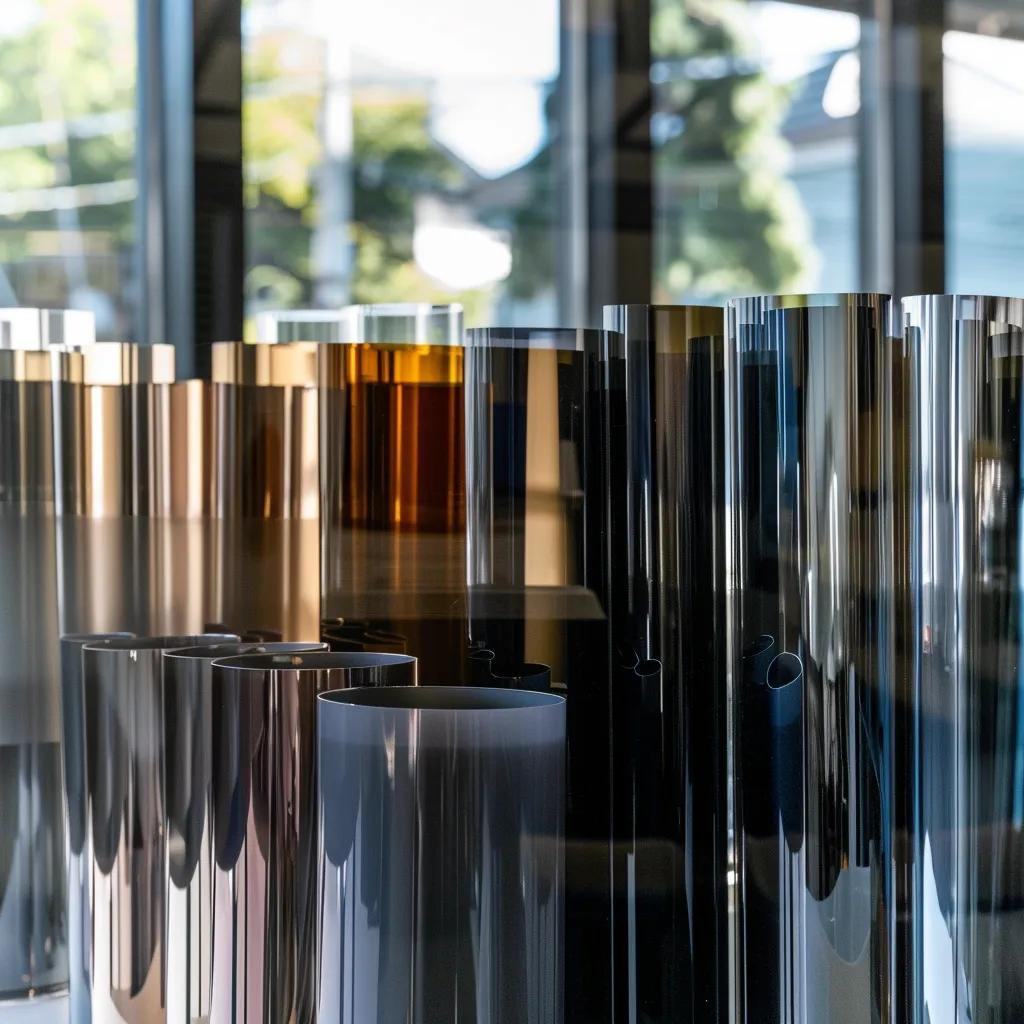
Film type determines both manufacturing complexity and end-user performance, making it the primary cost variable. Higher-end products incorporate advanced technologies that block more heat and UV rays while maintaining signal clarity.
Below is a comparison of common film materials and their typical cost ranges:
Why Does Vehicle Size and Window Complexity Impact Tinting Costs?
Larger vehicles and complex window shapes increase both material usage and installation time. A four-door sedan requires less film than a full-size SUV, while frameless or highly curved glass demands meticulous cutting and fitting.
Key considerations include:
- Sedans generally require 4–6 window panels.
- SUVs and minivans often need 6–8 panels.
- Trucks with rear windows add extra square footage.
- Curved panoramic and frameless windows slow the trimming process.
Because each square foot of film adds cost and each minute of labor counts, larger and more elaborate vehicles will incur higher quotes. Vehicle complexity naturally leads into the value of professional installation.
How Do Labor and Professional Installation Affect the Total Cost?
Professional installation elevates quality but carries higher labor fees to reflect expertise, precision equipment, and warranty inclusion. Experienced technicians ensure edge seals are perfect and bubbles are eliminated.
Critical aspects of professional service:
- Certified installers use specialized squeegees and heat guns.
- Labor rates account for training, tools, and quality control.
- Warranties for bubbling, peeling, and fading are typically included.
Investing in expert application secures a long-lasting finish and coverage against installation defects, directly influencing the overall price you pay for peace of mind.
What Role Does Geographic Location Play in Tinting Prices?
Regional market dynamics shape base rates for tinting services. In Salt Lake City, local overhead, competition among providers, and state regulations together define average pricing tiers.
Salt Lake City market snapshot:
- Dyed Film – $150 to $300
- Carbon Film – $275 to $525
- Ceramic Film – $450 to $850
Local gas, rent, and licensing fees elevate costs compared to smaller towns. Recognizing your area’s pricing norms ensures you receive competitive quotes that reflect genuine service value and compliance with Utah standards.
How Much Does Window Tinting Cost on Average in Salt Lake City and Utah?
Evaluating local data clarifies realistic budget expectations for different vehicles and film materials. Regional averages in Utah range from $150 to $400 for standard tints, climbing for premium films used in urban centers like Salt Lake City.
These figures demonstrate how film choice and vehicle category interact locally. Seasonal demand spikes—especially in summer—add another layer of fluctuation.
What Is the Typical Price Range for Different Vehicle Types in Salt Lake City?
- Sedan – $150 to $350
- SUV/Minivan – $250 to $500
- Pickup Truck – $200 to $450
Vehicle size amplifies film usage and labour time, making these ranges a practical guide for local budgets.
How Do Prices Vary Between Different Window Film Materials Locally?
- Dyed Tint – $150–$300
- Carbon Tint – $275–$525
- Ceramic Tint – $450–$850
Premium nano-ceramic options can exceed $900 when installers source the latest innovations for maximal heat and UV rejection.
Are There Seasonal or Market Trends That Affect Tinting Costs in Utah?
Utah’s intense summer sun drives peak demand from May through August, pushing quotes upward by 10–15%. Conversely, winter months often see discounted rates as installers fill schedules.
- Spring/Summer rush increases overhead and wait times.
- Off-peak discounts appear in late fall and winter.
- Supply chain shifts for specialized films can temporarily influence pricing.
Aligning your project timing with off-peak windows can yield cost savings without sacrificing quality.
What Are the Benefits That Justify the High Cost of Quality Window Tinting?
Investing in premium window film pays dividends through enhanced comfort, safety, and longevity. High-performance tint adds multiple layers of protection that compound over years of vehicle use.
- UV Protection & Interior Preservation
- Heat Rejection & Energy Efficiency
- Privacy, Safety & Aesthetic Enhancement
- Durability & Warranty Backing
Exploring each benefit reveals how savings on interior repairs, AC usage, and vehicle resale offset the initial expense.
How Does Window Tinting Provide UV Protection and Interior Preservation?
Quality films block up to 99% of harmful UV rays, which fade upholstery, crack dashboards, and pose skin-health risks. By filtering ultraviolet radiation, tinted glass extends interior lifespans and safeguards occupants.
- Reduces dashboard fading and leather cracking.
- Shields passengers from UVA and UVB exposure.
- Lowers risk of skin damage during extended drives.
Preventing interior damage translates into long-term savings on repairs and reupholstery, underscoring tint’s cost justification.
In What Ways Does Tinting Improve Heat Rejection and Energy Efficiency?
High-end films reflect up to 90% of infrared heat, keeping cabin temperatures lower and reducing air-conditioning load. Less AC usage means better fuel economy or battery range in electric vehicles.
- Cuts interior heat gain by up to 30–40%.
- Lowers engine load and fuel consumption.
- Enhances driving comfort in extreme temperatures.
By reducing cooling demands, professional tinting becomes an energy-efficiency measure as well as a comfort upgrade.
How Does Window Tinting Enhance Privacy, Safety, and Aesthetics?
Tinted windows obscure valuables from view, deterring break-ins, while also preventing shattered glass from flying in an accident. Visually, custom shades boost vehicle appearance and individuality.
- Improves occupant privacy from onlookers.
- Holds glass fragments in place upon impact.
- Elevates styling with sleek, uniform appearance.
Security and style benefits position high-quality tint as a multifaceted vehicle enhancement.
Why Is Durability and Warranty Important for Long-Term Value?
Longer lifespans and robust warranties ensure you avoid replacement costs and installation headaches. Top films outlast cheap alternatives by years.
Lifetime and manufacturer warranties back high-end films, validating upfront investment with ongoing coverage that prevents additional expenses.
What Are the Utah Window Tinting Laws That Affect Cost and Compliance?
Utah law mandates specific Visible Light Transmission (VLT) levels and restricts reflectivity to ensure safety and visibility. Compliance adds cost through premium film selection and precise light-meter testing.
Regulated factors include:
- VLT percentages per window type
- Reflectivity and mirror requirements
- Penalties for non-compliance
Navigating these rules safely demands professional expertise and quality materials.
What Are the Visible Light Transmission (VLT) Requirements in Utah?
- Windshield (top 6” only) – any film permitted as long as it is non-reflective.
- Front side windows – at least 43% VLT.
- Back side and rear windows – no VLT limit but must remain non-mirror-like.
Utah Window Tinting Laws
Utah law specifies the permissible levels of light transmission (VLT) for vehicle windows, with different requirements for the windshield, front side windows, and back side/rear windows. These regulations impact the choice of film and the installation process.
Utah Department of Public Safety, “Vehicle Window Tinting” (2024)
This citation supports the article’s claims regarding Utah’s specific window tinting regulations and their impact on compliance.
How Do Reflectivity and Side Mirror Regulations Impact Tint Choices?
- Reflective tint above 20% is illegal.
- Rear window tint may necessitate side-mirror replacement.
- Installers measure reflectance with specialized meters.
Choosing compliant films ensures legal coverage and avoids additional accessory costs.
What Are the Penalties for Non-Compliance with Utah Tint Laws?
- Fines range from $45 to $285 per offense.
- Repeat offenders face elevated penalties and possible court appearances.
- Non-compliant film removal can cost $150–$300.
Professional installation guarantees compliance, preventing costly rework and legal hassles.
Is Professional Window Tinting Worth the Higher Price Compared to DIY?
Yes, professional window tinting justifies its premium through superior materials, precise application, and comprehensive warranties that DIY kits cannot match.
What Are the Risks of DIY Window Tinting?
- Air bubbles trapped under film.
- Edges lifting due to poor adhesion.
- Mistakes requiring full replacement.
These challenges can double overall expense when rework and inferior film quality are factored in.
How Does Professional Installation Ensure Quality and Longevity?
Expert installers follow a strict multi-step process—surface prep, precise cutting, and heat-activated sealing—to achieve flawless adhesion and edge integrity. 801 ASAP Auto Detailing’s technicians bring years of experience and factory-grade tools to every project, guaranteeing consistent results.
Link to our professional tint installation for a detailed overview.
Through meticulous prep and advanced equipment, professional service secures a durable, lifetime-warrantied finish.
What Warranty Options Are Available with Professional Tinting Services?
Professional shops offer layered coverage:
- Manufacturer Warranty covers film defects.
- Installer Warranty protects against bubbling, peeling, and discoloration.
- Lifetime Transferable Coverage for subsequent vehicle owners.
Comprehensive warranties affirm long-term value by eliminating unexpected repair costs.
How Does Professional Tinting Save Money in the Long Run?
- Fewer re-tints over a vehicle’s lifespan.
- Lower AC usage and fuel savings.
- Avoidance of interior repair bills.
Investing in professional work transforms tinting into a cost-effective protection strategy.
Why Is Ceramic and Nano Ceramic Tint More Expensive but Worth the Investment?
Premium ceramic technologies command higher prices because they integrate nano-scale particles for exceptional heat rejection, UV protection, and signal transparency.
Ceramic tint’s advanced composition yields unmatched performance metrics:
- Blocks up to 99% of UV rays.
- Reflects 80–90% of infrared heat.
- Maintains mobile device, GPS, and radio signal clarity.
These attributes justify the additional cost through superior comfort and longevity.
What Superior Benefits Do Ceramic and Nano Ceramic Tints Offer?
- Extreme Heat Rejection for cooler cabins even under direct sun.
- Comprehensive UV Blocking to protect skin and interiors.
- Signal Transparency preserving cellular and satellite reception.
Such advanced properties translate directly into daily driving comfort and equipment reliability.
How Long Do Ceramic Tints Typically Last Compared to Other Films?
Ceramic tints boast the longest lifespans—often exceeding 10 years—thanks to stable materials and robust coatings, whereas dyed films degrade within 3–5 years.
Extended durability reduces replacement frequency and justifies higher upfront expenses.
How Does Ceramic Tinting Affect Vehicle Resale Value and Comfort?
- Documented interior condition premium.
- Higher buyer interest in well-maintained vehicles.
- Enhanced driving comfort cited in resale listings.
Long-term climate control and cosmetic preservation underscore ceramic tint’s return on investment.
How Can 801 ASAP Auto Detailing Help You Understand and Manage Window Tinting Costs?
801 ASAP Auto Detailing specializes in transparent pricing, expert guidance, and world-class installation services that align cost with value, ensuring you make informed decisions.
What Makes 801 ASAP’s Professional Tinting Services Unique in Salt Lake City?
801 ASAP combines decades of installer expertise, premium ceramic and nano-ceramic film partnerships, and strict compliance with Utah laws to deliver flawless results on every vehicle.
Our team’s proprietary prep methods and quality-assurance processes set us apart in precision and durability.
How Can Customers Get Accurate Quotes and Book Appointments?
Customers receive instant, customized estimates by submitting vehicle details and desired film choice online, then scheduling at their convenience. Transparent pricing covers film, labor, and warranty in one clear quote.
Get your personalized estimate and book through our professional tint installation page.
What Warranty and Customer Support Does 801 ASAP Offer?
Every installation includes:
- Lifetime Installer Warranty against bubbling, peeling, and discoloration.
- Manufacturer Warranty on film performance.
- Priority Service for any adjustments or questions post-installation.
This layered support reinforces trust and ensures lasting satisfaction.
Window tinting’s cost reflects advanced materials, meticulous installation, and regional factors that protect your vehicle’s interior, safety, and comfort. Choosing high-performance films like ceramic or nano-ceramic and professional application from 801 ASAP Auto Detailing delivers superior durability, compliance with Utah laws, and energy savings that make the investment worthwhile. By understanding these cost drivers and partnering with a trusted local specialist, you secure the best value and lasting benefits for your vehicle.
Frequently Asked Questions
What are the long-term benefits of investing in high-quality window tinting?
Investing in high-quality window tinting offers numerous long-term benefits. Premium films provide superior UV protection, which helps preserve your vehicle’s interior and reduces the risk of skin damage for passengers. Additionally, these films enhance energy efficiency by reflecting heat, leading to lower fuel consumption or battery usage in electric vehicles. Over time, the savings on interior repairs, reduced air conditioning costs, and improved resale value can offset the initial investment, making high-quality tinting a wise financial decision.
How do I know if my window tint is compliant with Utah laws?
To ensure your window tint complies with Utah laws, check the Visible Light Transmission (VLT) percentages for each window type. For instance, the front side windows must have at least 43% VLT, while the back side and rear windows have no VLT limit but must not be mirror-like. It’s advisable to have your tint installed by a professional who understands these regulations and can provide documentation or certification of compliance, helping you avoid fines and legal issues.
What should I consider when selecting a window tinting service?
When selecting a window tinting service, consider factors such as the company’s experience, customer reviews, and warranty offerings. Look for installers who use high-quality materials and have a solid reputation for professional installation. Additionally, inquire about their knowledge of local tinting laws to ensure compliance. A transparent pricing structure and clear communication about the installation process are also essential. Choosing a reputable service can significantly impact the quality and longevity of your window tint.
Can window tinting help with glare reduction while driving?
Yes, window tinting can significantly reduce glare while driving. High-quality tints are designed to block a substantial amount of visible light, which helps minimize the harshness of sunlight and reflections from other vehicles or surfaces. This reduction in glare enhances driving comfort and safety, allowing for better visibility and reduced eye strain. Many drivers find that tinted windows make their driving experience more pleasant, especially during bright, sunny days.
What maintenance is required for tinted windows to ensure longevity?
Maintaining tinted windows is relatively simple and crucial for ensuring their longevity. After installation, avoid rolling down the windows for at least 48 hours to allow the adhesive to cure properly. Clean the tinted surfaces with a soft cloth and a mild, ammonia-free cleaner to prevent damage. Regularly inspect the edges for any signs of peeling or bubbling, and address any issues with your installer promptly. Following these care instructions will help keep your tint looking great and performing well for years.
Are there any specific tinting options for enhancing vehicle security?
Yes, certain window tinting options can enhance vehicle security. Tints that are darker or have a reflective quality can obscure the view into the vehicle, making it harder for potential thieves to see valuables inside. Additionally, high-quality films can hold shattered glass together in the event of an accident, reducing the risk of injury from flying glass shards. Investing in security-focused window tinting not only improves privacy but also adds an extra layer of protection for your vehicle and its occupants.
How can I determine the best time of year to get my windows tinted?
The best time of year to get your windows tinted often depends on local climate and demand. In Utah, demand typically peaks during the summer months, leading to higher prices and longer wait times. Conversely, late fall and winter often see lower demand, which can result in discounts and quicker service. If you’re looking to save money and avoid the rush, consider scheduling your tinting during the off-peak season. Additionally, cooler temperatures can help with the installation process, ensuring better adhesion of the film.