
The car detailing decision can be challenging for car owners seeking a balance between cost efficiency, convenience, and quality. Whether you decide on professional services or choose to roll up your sleeves and do it yourself, each approach has distinct advantages and potential drawbacks. For many in Salt Lake City and surrounding areas, factors such as preserving paint longevity, achieving an impeccable interior, and protecting against elements like dust and debris are key. Professional detailers work with high-end tools such as paint protection film, ceramic coatings, and specialized detergents, delivering lasting results that often boost your car’s appeal. Conversely, DIY detailing offers cost savings and the satisfaction of self-reliance, though it can come with a steeper learning curve and the risk of less-than-perfect results.
This article explores cost differences, quality comparisons, time and convenience factors, the tools and products used, key benefits of professional detailing, basic DIY tips, insights into ceramic coatings and paint protection film, and an introduction to
. The goal is to help you choose the best detailing approach that fits both your budget and desired outcomes.
Transitioning into the main discussion, we examine each method in terms of financial investment, effectiveness, and convenience.
What Are the Cost Differences Between Professional and DIY Car Detailing?
Professional car detailing services generally come at a higher price because they involve specialized skills, expert decontamination, and premium products like carnauba wax and advanced paint sealants. Typically, professional detailing costs range from $100 to $300 or more based on service level, vehicle size, and local pricing. This fee covers deep cleaning techniques such as clay bar treatments, paint correction, and the application of protective coatings.
On the other hand, DIY car detailing is often more economical. Purchasing quality cleaning supplies—detergents, towels, a vacuum, brushes, and even specialty products like paint protection film or ceramic coating kits—may cost between $50 and $150 initially. However, you must consider additional costs like time, the learning curve, and possible errors such as minor paint damage. While DIY appeals due to the lower upfront cost, mistakes might lead to extra expenses. In summary, while DIY may save money upfront, professionals typically deliver longer-lasting outcomes with added guarantees and expertise.
How Do Quality and Results Compare Between Professional and DIY Detailing?

Quality and results differ mainly in the methods and products used. Professional detailers rely on multi-step processes that cover every surface of your car—from the exterior paint to the interior upholstery—ensuring thorough decontamination and a brilliant shine. Their expert use of advanced compounds, ceramic coatings, and paint protection film provides superior resistance against UV rays, contaminants, and wear. High-powered vacuums, automated polishers, and steam cleaners further enhance uniform application and longevity.
DIY detailing largely depends on your skill level and the consumer-grade products available. Although many guides and tutorials can help you achieve good results, small missteps—such as uneven wax application or missed spots during decontamination—can lead to an inconsistent finish. Over time, professional treatments generally maintain their shine and protection better than DIY methods. In short, while a dedicated DIY effort can be impressive, the expert care and results from professional detailing are difficult to match.
How Does Time and Convenience Affect the Choice Between Professional and DIY Detailing?
Time and convenience are key considerations when choosing between professional and DIY detailing. For busy car owners, professional services offer a significant time-saving advantage. A complete detailing session by experts typically takes just a few hours. Many professionals even offer mobile detailing, where certified technicians bring their high-end equipment directly to your location—ideal if you struggle with time, unpredictable weather, or simply prefer not to interrupt your daily routine.
In contrast, DIY detailing is time-intensive. The process involves several steps: pre-washing, hand washing with a microfiber wash mitt or sponge, thorough rinsing, drying with microfiber towels to prevent swirls, decontamination with clay bars, waxing, and interior cleaning. For those unaccustomed to the work, this can consume an entire weekend, not to mention the extra time spent learning proper techniques. Thus, if time is precious and convenience is critical, professional detailing is often the better choice despite the higher cost.
What Products and Equipment Are Used in Professional vs DIY Car Detailing?
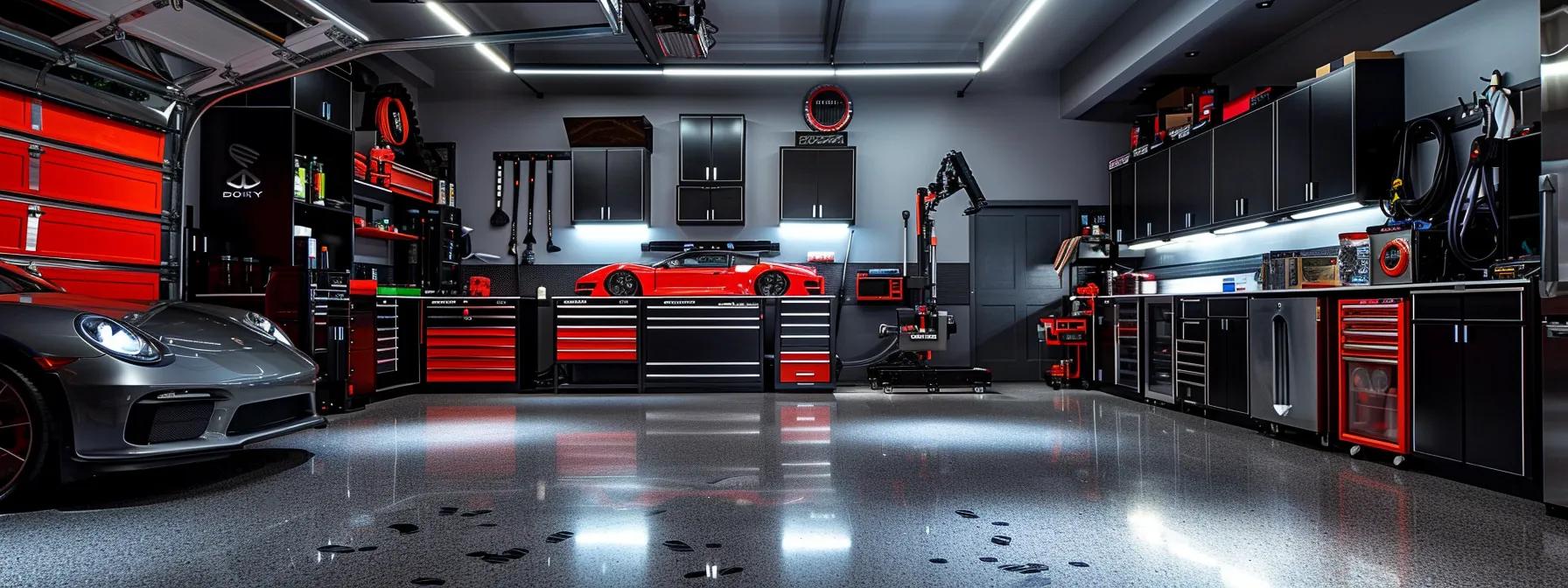
The range of products and equipment in professional detailing outmatches what most car owners use at home. Professionals use high-grade, automotive-specific products that have been rigorously tested—such as industrial-strength cleaners, advanced carnauba waxes, ceramic coatings, and specialized paint sealants. Additionally, they operate commercial-grade equipment like high-powered extractors, steam cleaners, dual-action polishers, and strong vacuums that ensure a high level of cleanliness and protection.
Conversely, DIY enthusiasts typically use consumer-grade supplies readily available at supermarkets. Common items include sponges, microfiber towels, basic cleaning agents, and smaller vacuums. These products can be effective for standard cleaning; however, they generally do not offer the extended durability provided by professional products. DIY methods may work well for regular maintenance but may fall short when it comes to combating stubborn dirt, dust, and debris without the specialized techniques that professionals employ.
What Are the Key Benefits of Choosing Professional Car Detailing?
Professional car detailing offers benefits that extend well beyond routine cleaning. First, the extensive training and experience of professionals mean that each step—from washing and decontaminating to waxing and coating—is executed with precision. This attention to detail can significantly boost your car’s resale value by maintaining a showroom-quality finish.
Another advantage is the array of quality guarantees and warranties that often accompany professional services. In many cases, when a ceramic coating or advanced paint protection film is applied, the detailer provides a warranty for the work. This added assurance can provide peace of mind that DIY methods simply do not match.
Convenience is also central: professional services—especially mobile detailing—are designed to fit into your busy lifestyle. With professionals managing complex cleaning challenges (like stubborn debris under trim or intricate interior detailing), you can be assured of a thorough job that encourages efficiency and long-term vehicle protection through expert application of products like detergent, wax, and sealant.
How Can You Perform Basic DIY Car Detailing at Home?

Even though professional detailers deliver top-notch results, many car owners enjoy the satisfaction of routine at-home detailing. To achieve good results on your own, start by washing your car properly. Rinse off loose dirt with water, then wash using a high-quality car wash soap mixed with water and detergent. A microfiber wash mitt or sponge helps prevent any scratching of the paint.
After washing, focus on drying your car using clean, high-absorbency microfiber towels to avoid water spots and swirls. For the interior, use a vacuum with a brush attachment to remove dust and debris from mats, seats, and carpets. Cleaning windows with a streak-free glass cleaner is also essential for maintaining clear visibility and overall cleanliness.
Waxing is another important step. Using a foam applicator pad, apply a layer of quality wax, such as carnauba wax, and allow it to haze before buffing off with a clean microfiber towel. This adds a protective barrier against dust, bird droppings, and UV rays. While your DIY efforts might not last as long as professional treatments, with proper care these techniques can sustain your car’s appearance at a lower cost over time.
Why Are Ceramic Coating and Paint Protection Film Important in Professional Detailing?
Ceramic coating and paint protection film (PPF) are standout treatments in professional detailing. Ceramic coatings are liquid polymers that chemically bond to your car’s paint, forming a translucent, hydrophobic barrier that resists scratches, UV damage, chemical stains, and water spots. This not only enhances gloss but also makes cleaning easier while preserving the paint’s integrity.
Paint protection film, in contrast, is a clear, flexible urethane film that physically shields your car’s exterior from road debris, stone chips, and abrasions. It is particularly useful for high-impact areas such as the front bumper and hood. Both treatments typically require professional application—ensuring precise coverage and proper adhesion—while often coming with warranties that reinforce their long-term benefits in vehicle maintenance and resale value.
What Should You Know About Mobile Detailing Services?

Mobile detailing services are growing in popularity largely because of the convenience they offer. Instead of taking your car to a shop, mobile detailers bring their expertise, high-grade products, and state-of-the-art portable equipment directly to your home or office. This service is particularly appealing for those with busy schedules or in areas with unpredictable weather.
Mobile detailing providers offer a range of packages, from quick wash-and-vacuum sessions to full-service deep cleaning that includes interior, exterior, and even advanced treatments like ceramic coatings. This flexibility is ideal not only for personal vehicles but also for businesses and fleet owners who need efficient, regular maintenance. Additionally, many mobile services emphasize eco-friendly cleaning solutions and water-saving techniques, aligning with a modern, environmentally responsible approach.
What Are the Most Frequently Asked Questions About Professional vs DIY Car Detailing?
Addressing some common queries can help clarify the differences between professional and DIY detailing:
Q: How often should my car be professionally detailed? A: Most professionals recommend a service every 4 to 6 months. In areas with high pollution or harsh weather, more frequent detailing might be advisable.
Q: Can I achieve similar results with DIY detailing as with professional services? A: Although DIY detailing can produce satisfactory results when done correctly, matching the consistency and longevity provided by professional detailers is challenging. The specialized techniques and high-grade products used by professionals generally lead to superior outcomes.
Q: Is the cost difference between professional and DIY detailing significant? A: Yes, professional detailing usually costs more—typically between $100 and $300 per session—compared to the lower upfront investment for DIY supplies. However, the long-term benefits, warranties, and time savings offered by professional services can make them a more cost-effective option overall.
Q: What skills or tools do I need for effective DIY detailing? A: Essential skills include a good understanding of the cleaning process. You will need microfiber towels, a quality detergent or soap, dual-action polishers if desired, wax, and sealants. Practice and following detailed guides or video tutorials can help improve your technique.
Q: How do ceramic coatings and paint protection film enhance my car’s appearance and protection? A: Ceramic coatings chemically bond to your car’s paint to enhance gloss and facilitate easier cleaning, while paint protection films serve as a physical barrier against chips and abrasions. Both help maintain your car’s pristine condition longer than standard waxing.
Final Thoughts
Professional car detailing delivers consistently high-quality outcomes through advanced products, expert techniques, and unmatched convenience. The benefits include extended vehicle protection, enhanced resale value, and superior aesthetics that justify the higher cost, especially when compared to DIY methods. Still, for those who enjoy hands-on projects or are budget-conscious, DIY detailing can be a feasible option with the right tools and care. Ultimately, whether you choose expert services from 801asapautodetailing.com or decide to tackle tasks yourself, understanding your priorities—be it convenience, cost savings, or a top-tier finish—will help you maintain your car’s shine and longevity through proper detergent use, careful decontamination, and attention to detail.