ceramic coatingsvisual appealcar enthusiastsadvantages of ceramic coating versus traditional coatingsceramic coatingsceramic coatingceramic coatingceramic-specific detailing spraysceramic coatings
Ceramic Coating Protection Benefits You Didn’t Know About
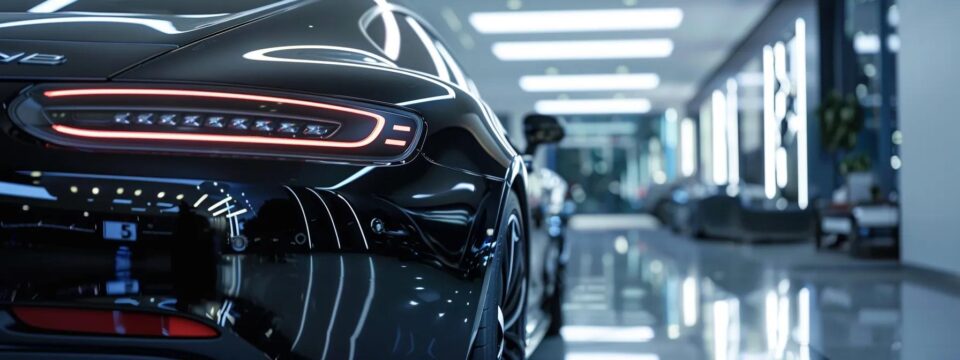
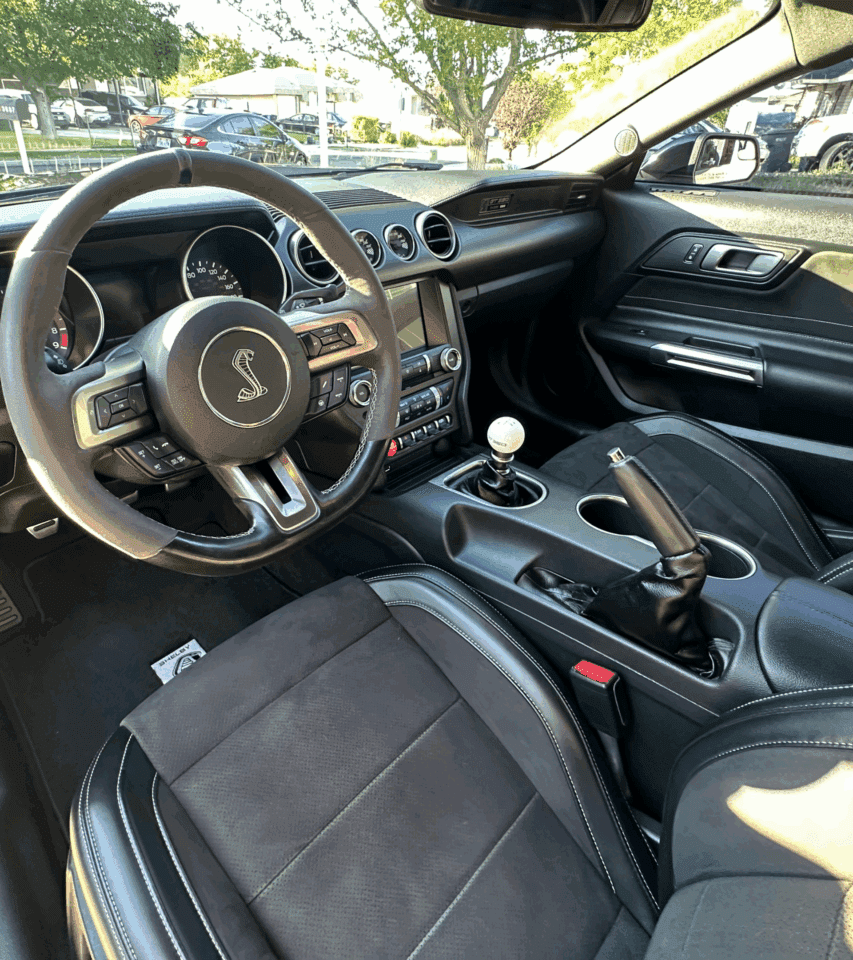
Ceramic coating protection is revolutionizing how car owners care for their vehicles. The advanced liquid polymer bonds chemically with factory paint to form a strong, durable shield that enhances gloss, repels contaminants like road debris, mud, and UV radiation, and helps prevent corrosion. This protection method is popular with car enthusiasts in Salt Lake City and surrounding areas because it reduces the need for frequent cleaning and touch-ups while protecting the vehicle’s appearance. In the sections below, we explain how ceramic coatings work, the materials and technologies behind them, their many benefits, and how they compare with traditional wax and paint protection film.
Transitioning into the detailed analysis, the following sections explore the science, performance, durability, and cost benefits of
while comparing them to other vehicle protection options.
What Is Ceramic Coating and How Does It Protect Your Vehicle?
Ceramic coating is a liquid polymer that chemically bonds with a vehicle’s exterior paint, creating a strong, long-lasting protective layer. This coating repels contaminants by resisting road debris, chemical stains, and minor abrasions while enhancing gloss and shine. Its high hardness minimizes bonding of dirt, mud, and pollutants, and its hydrophobic properties cause water, rain, or mud to bead up and roll off. Additionally, by using silicon dioxide (SiO₂) mixed with polymers, the coating forms a glass-like finish that guards against UV rays and corrosion—all while simplifying cleaning and preserving resale value.
What Materials and Technology Make Up Ceramic Coatings?

At its core, ceramic coating relies on silicon dioxide (SiO₂) derived from quartz and sand. When combined with advanced polymers and sometimes additional ingredients like titanium dioxide or aluminum oxide, this blend forms a high-gloss, protective barrier that is resistant to wear and chemical damage. Modern coatings are engineered with nanotechnology for uniform particle distribution and use catalysts to speed curing, ensuring a strong bond with the vehicle’s paint. The resulting micro-structured, hydrophobic surface repels water, oil, and contaminants, enhancing both the protective performance and the
of the finish.
How Does Ceramic Coating Protect Vehicle Paint From Damage?
Ceramic coatings protect vehicle paint by creating a hard, chemically bonded film that resists damage from abrasive road debris, chemical stains, and minor impacts. This resilient barrier minimizes etching and fading caused by exposure to dust, mud, and bird droppings while dispersing impact forces from gravel and sand. Its chemical resistance protects against harsh cleaning agents and pollutants, reducing the need for repeated applications and lowering long-term maintenance costs—all while maintaining the car’s vibrant, showroom look.
What Role Does Hydrophobicity Play in Ceramic Coating Protection?
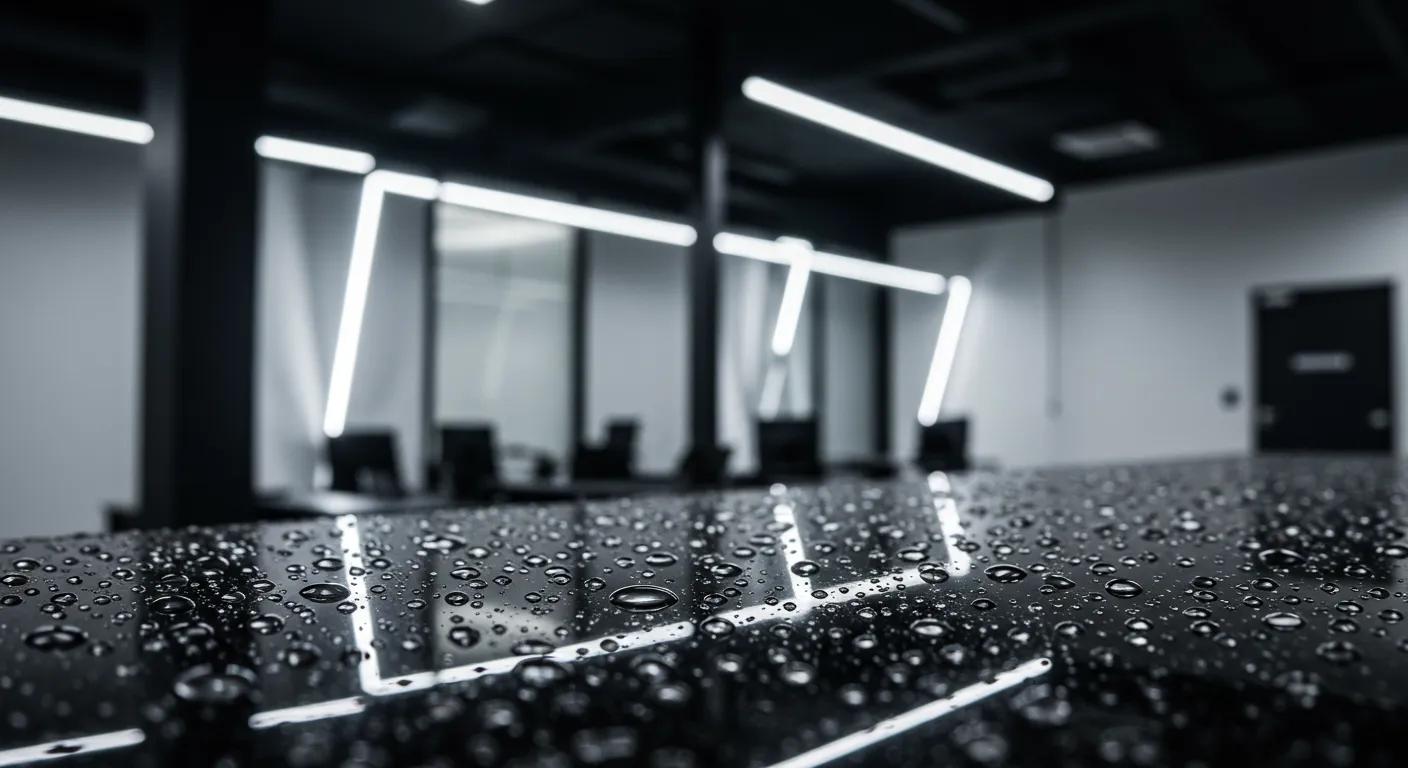
Hydrophobicity is essential to ceramic coatings. The coating’s nano-scale textures lower the surface energy so that water and other liquids bead up and roll off quickly. This self-cleaning effect reduces the time contaminants remain in contact with the surface, which makes regular cleaning easier and less frequent. By repelling dirt, salt, and other debris, the coating maintains a high-gloss finish and minimizes the need for harsh chemical cleaners, ensuring long-term appearance and protection.
What Are the Lesser-Known Benefits of Ceramic Coating Protection?
Beyond the obvious benefits of gloss and protection against physical damage, ceramic coatings offer extended UV protection that prevents paint fading and oxidation. Their self-cleaning properties reduce cleaning frequency and minimize the risk of stains from contaminants like bird droppings and tree sap. Some users even notice a slight improvement in fuel efficiency due to the smoother surface reducing air resistance. These advantages, coupled with lower long-term maintenance, make ceramic coatings an attractive option for those who wish to preserve the vehicle’s appearance and value.
How Does Ceramic Coating Provide UV Protection Beyond Surface Shine?
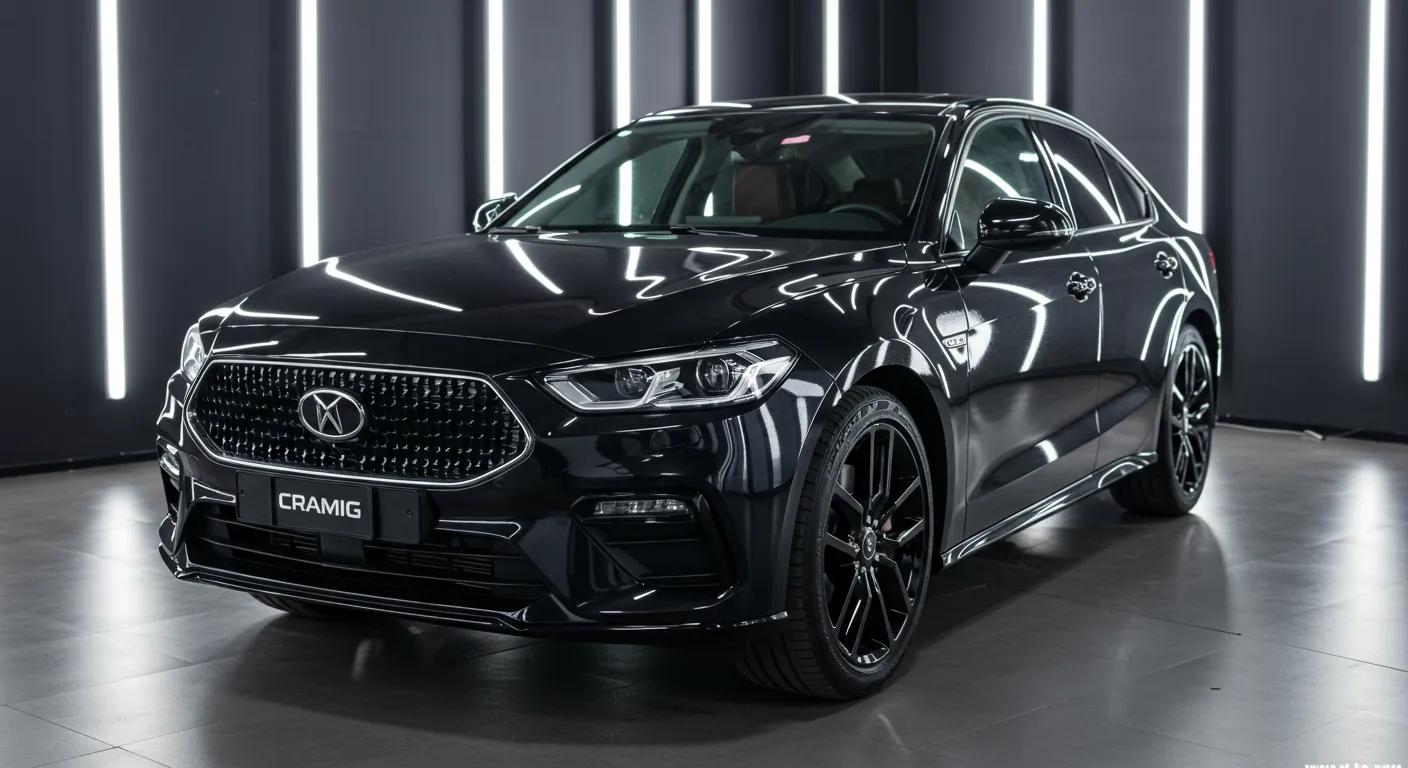
Ceramic coatings incorporate UV-absorbing compounds—mainly silicon dioxide and specialized polymers—that block harmful ultraviolet rays, preventing oxidation and color fading. By maintaining the paint’s vibrancy even after years of sun exposure, the coating not only works to keep the finish looking new but also contributes to better temperature regulation inside the vehicle by reducing heat buildup.
In What Ways Does Ceramic Coating Enhance Vehicle Appearance Long-Term?
Over time, ceramic coatings help maintain a vehicle’s aesthetic appeal by continuously protecting the factory finish from environmental contaminants and UV degradation. They smooth over micro-abrasions, ensuring the car maintains a flawless look with preserved gloss and minimal fading. The self-cleaning, hydrophobic surface keeps dirt and water spots at bay, resulting in a consistently polished appearance that boosts resale value—all without the need for frequent reapplications.
How Does Ceramic Coating Simplify Vehicle Maintenance and Cleaning?

The hydrophobic, low-adhesion surface created by ceramic coatings makes vehicle cleaning much easier. Dirt, mud, and road salt do not stick, so a quick rinse is often sufficient to restore the finish. This simplified maintenance process reduces dependence on abrasive cleaning tools and harsh chemicals, which in turn helps preserve the coating’s longevity, leading to lower overall maintenance costs and less frequent cleaning sessions.
What Contaminants Does Ceramic Coating Repel That Traditional Waxes Don’t?
Unlike traditional waxes that offer only temporary shine, ceramic coatings create a robust barrier that repels a wider range of contaminants, including water, mud, bird droppings, tree sap, and industrial pollutants. The nano-structured surface drastically reduces adhesion, so even if these substances contact the paint, they can be easily washed off without leaving residues. This superior chemical and physical protection means fewer touch-ups and less degradation over time compared to waxes, which deteriorate quickly under harsh conditions.
Which Types of Ceramic Coatings Offer Different Protection Benefits?

Ceramic coatings come in several formulations. Standard SiO₂ coatings offer excellent gloss and a strong bond with the paint, providing balanced protection against UV and chemical contaminants. Graphene ceramic coatings add enhanced durability and scratch resistance thanks to graphene’s strength and thermal conductivity, making them ideal for high-performance or heavily used vehicles. Hybrid coatings combine the benefits of both, merging high-gloss finish with superior hardness and longevity. The choice depends on the specific needs and driving conditions of the vehicle.
What Are SiO2 Ceramic Coatings and Their Protection Advantages?
SiO₂ ceramic coatings use silicon dioxide to create an ultra-durable, glass-like layer that provides excellent resistance to UV rays, weather, and minor abrasions. Their strong chemical bond with the paint helps maintain a high level of gloss while repelling water, mud, and other contaminants. The relatively forgiving application process also allows these coatings to fill in minor imperfections, resulting in a smooth, reflective finish highly valued by both auto detailers and
.
How Do Graphene Ceramic Coatings Improve Durability and Protection?

Graphene ceramic coatings build on the benefits of SiO₂ by incorporating graphene particles. This addition improves the coating’s hardness, flexibility, and scratch resistance. Graphene’s excellent thermal conductivity also helps dissipate heat, keeping the protective layer stable even under extreme conditions. As a result, these coatings are more resistant to chemical degradation and physical impacts, often requiring fewer reapplications and lowering long-term maintenance costs.
What Hybrid Ceramic Coatings Combine for Enhanced Vehicle Protection?
Hybrid ceramic coatings merge the benefits of traditional SiO₂ with those of graphene-enhanced formulas, offering improved gloss, superior hardness, and better hydrophobic performance. This balanced approach protects the vehicle’s paint from abrasive road debris, corrosive pollutants, and harsh weather, while simplifying maintenance through their ultra-smooth, self-cleaning finish. Hybrid coatings thus provide a versatile and long-lasting protective solution for many different driving environments.
How Does Ceramic Coating Compare to Other Vehicle Protection Options?
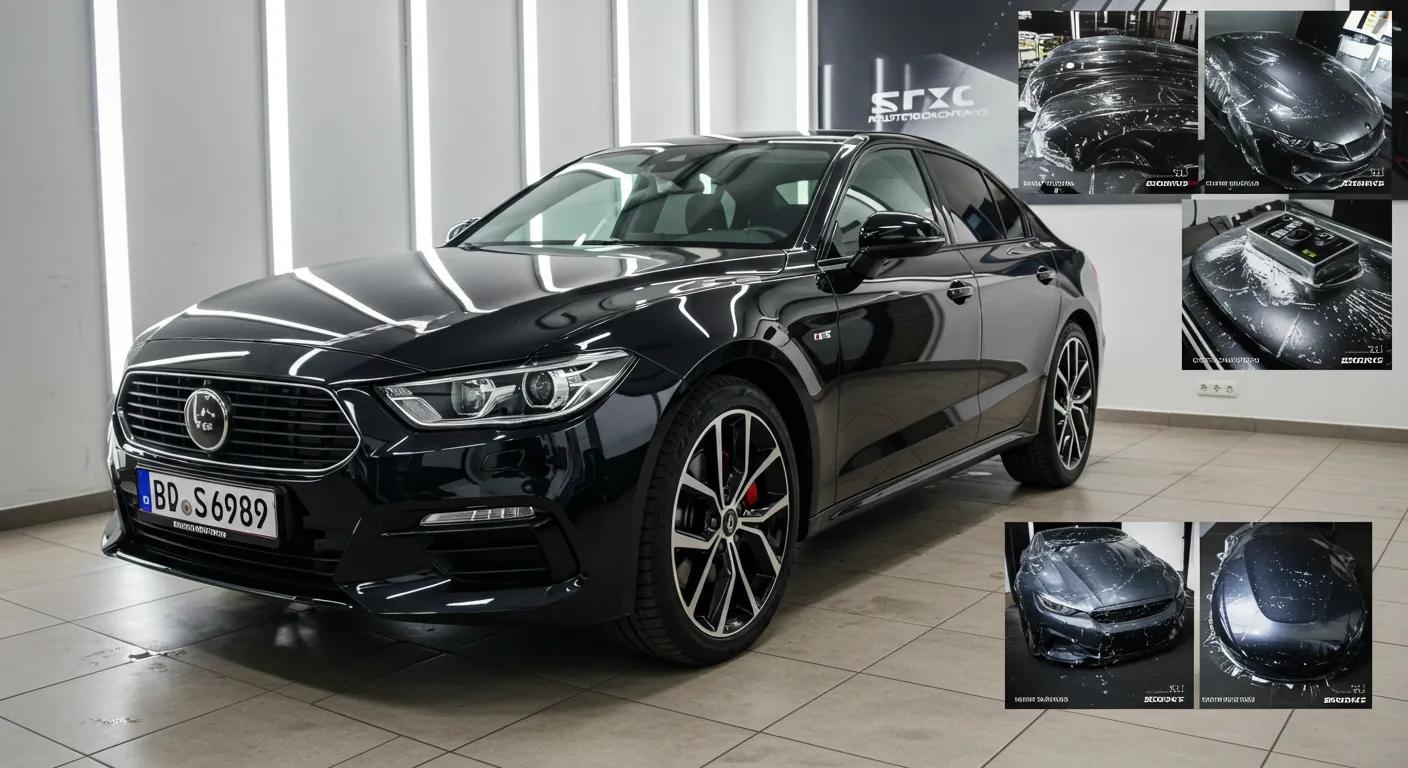
Ceramic coatings stand out by providing a high-gloss, long-lasting protective layer that is both chemically and physically robust. Unlike traditional waxes that need frequent reapplication and offer temporary protection, ceramic coatings form a permanent bond that resists dirt, abrasions, and UV damage. Compared to paint protection film (PPF), ceramic coatings are thinner and invisible, enhancing the vehicle’s appearance without altering its look while still providing excellent defense against everyday wear. Their low-maintenance, self-cleaning properties add further value by reducing cleaning time and overall upkeep costs.
What Are the Key Differences Between Ceramic Coating and Traditional Wax?
Both ceramic coatings and traditional wax protect vehicle paint, but they differ greatly in longevity and performance. Wax creates a temporary barrier that lasts only a few weeks and requires regular reapplication. In contrast, ceramic coatings form a chemically bonded, glass-like layer that can last for years, offering superior resistance to UV light, chemical degradation, and physical abrasions. Ceramic coatings also provide a smoother, more durable, and self-cleaning finish that reduces maintenance needs over time, making them a more cost-effective long-term solution.
How Does Ceramic Coating Protection Differ From Paint Protection Film (PPF)?
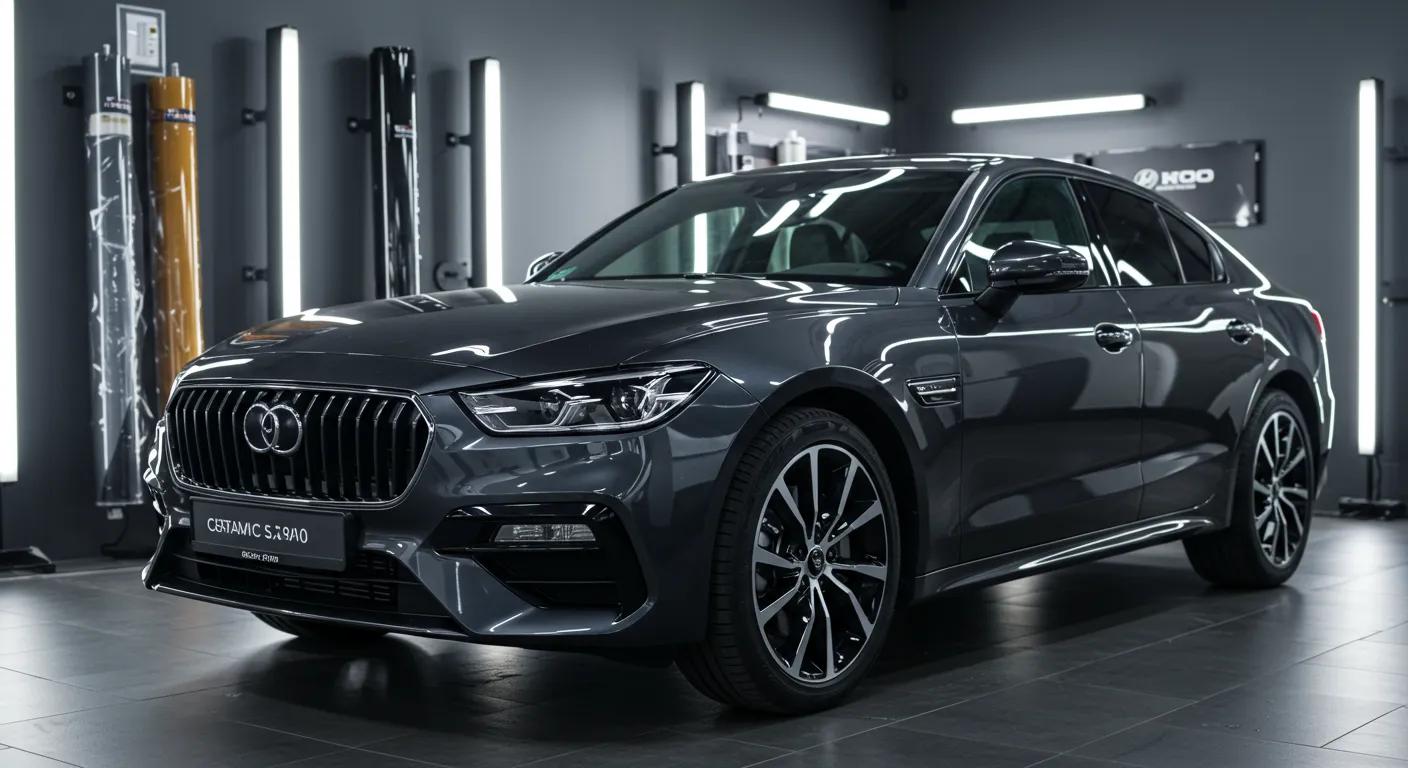
Ceramic coating and paint protection film (PPF) both shield vehicles from damage, but they do so in very different ways. Ceramic coatings are liquid polymers that form an ultra-thin, high-gloss barrier that adheres to the paint, preserving the car’s original look without adding bulk. PPF, on the other hand, is a physical film applied to the surface that offers excellent protection against rock chips and major impacts but can sometimes be visible and alter the car’s appearance. Additionally,
require less maintenance and are more cost-effective over time compared to the labor-intensive installation and periodic replacement associated with PPF.
When Should You Choose Ceramic Coating Over Other Protective Methods?
Ceramic coating is the optimal choice when vehicle owners want a high-gloss finish combined with long-term durability and low maintenance. It is ideal for cars exposed to urban pollutants, road salt, and harsh sunlight, where traditional waxing may not offer sufficient protection. For drivers who desire a hassle-free upkeep routine, ceramic coatings reduce cleaning frequency and remove the need for frequent reapplications, making them a smart long-term investment compared to periodic waxing or the more invasive ceramic coating.
How Long Does Ceramic Coating Protection Last and What Affects Its Durability?

Typically, ceramic coatings last between two to five years. Their durability depends on product quality, application technique, environmental conditions, and proper maintenance. Exposure to extreme temperatures, UV radiation, and harsh chemicals can gradually reduce effectiveness, while regular maintenance with pH-neutral cleaners and careful washing techniques can extend their lifespan. Professional application and periodic inspections are key to ensuring the coating maintains its protective properties over time.
How Can Proper Aftercare Extend Ceramic Coating Benefits?
Proper aftercare is essential for preserving a ceramic coating’s protective qualities. Routine maintenance with pH-neutral shampoos and soft microfiber towels helps avoid scratches and chemical erosion. Avoiding automated car washes with abrasive brushes, using ceramic-specific detailing sprays, and parking in shaded areas or under covers further protect the coating. Periodic inspections allow owners to spot early signs of degradation and address them with touch-ups or reapplications, ensuring long-term performance.
When Is It Time to Reapply or Refresh Ceramic Coating Protection?

Indicators that a ceramic coating may need refreshing include diminished water beading, visible degradation, or emerging water spots and stains. While high-quality coatings are designed to last two to five years, regular inspections are recommended—often every two years—to determine if maintenance or a complete reapplication is necessary. If the protective performance begins to noticeably drop, it is wise to invest in a professional reapplication to maintain optimal protection and preserve the vehicle’s appearance.
What Is the Cost of Ceramic Coating Protection and Is It Worth the Investment?
Ceramic coating costs vary by vehicle size, condition, coating quality, and application expertise, typically ranging from several hundred to over a thousand dollars. Although the upfront cost is higher than that of traditional waxes, ceramic coatings deliver long-term benefits through enhanced durability, reduced maintenance expenses, and improved vehicle appearance. Over time, the cost savings from fewer touch-ups and preserved resale value make ceramic coating an economically sound investment, especially when compared with alternative methods like waxing or paint protection film.
What Pricing Factors Affect Ceramic Coating Application Costs?

Key pricing factors include the quality and type of ceramic product used, vehicle size and condition, and the level of surface preparation required. Additives such as graphene can increase the cost due to enhanced performance. Labor costs and the geographic region—as seen in upscale areas like Salt Lake City—also influence pricing. The reputation of the detailing service and any additional value-added offerings like maintenance packages or extended warranties may further affect the overall cost.
How Does the Cost of Ceramic Coating Compare to Other Protection Methods?
While ceramic coating generally requires a higher initial investment than wax, it offers significantly better durability, lasting several years compared to weeks or months for traditional wax. Unlike paint protection film (PPF), which involves complex installation and periodic replacement, ceramic coatings provide a thin, invisible layer that maintains the vehicle’s aesthetics with lower ongoing maintenance and replacement costs. Over the long term, the reduced cleaning frequency, fewer repairs, and sustained appearance contribute to lower overall ownership costs. ceramic coatings
What Long-Term Savings Come From Ceramic Coating Protection?
Long-term savings with ceramic coatings result from reduced maintenance costs, fewer repairs, and preserved resale value. By preventing UV damage, oxidation, and chemical etching, the coating keeps the paint in prime condition, which reduces the need for frequent detailing and repainting. The self-cleaning properties lower cleaning expenses, while the enhanced durability minimizes costly repairs. Overall, these savings make
a financially smart investment for the vigilant car owner.
What Are the Best Practices for Applying and Maintaining Ceramic Coating Protection?
For optimal performance, ceramic coating application requires thorough surface preparation, including cleaning and paint correction, followed by careful, even application using specialized tools. After curing, ongoing maintenance with gentle washing, pH-neutral shampoos, and soft microfiber towels is critical. Avoid automated washes or harsh chemicals, and perform periodic inspections to ensure the coating’s integrity remains intact. Following these practices, as recommended by professional detailers, helps maximize the coating’s lifespan and protective benefits.
What Is the Step-by-Step Ceramic Coating Application Process?

The application process involves several key steps: 1. Surface Preparation: Thoroughly wash and decontaminate the car, followed by paint correction to remove swirls and imperfections. 2. Drying: Ensure the vehicle is completely dry to avoid water spots. 3. Application: Apply the
evenly using a specialized applicator or microfiber towel in thin layers. 4. Curing: Allow the coating to cure in a clean, dust-free environment for the manufacturer-specified time. 5. Final Inspection: Inspect the coating to confirm even coverage and absence of defects before the vehicle returns to regular use.
How Should You Care for Your Vehicle After Ceramic Coating Application?
After application, avoid exposing the vehicle to water or harsh elements until the curing period is complete. Then, maintain the finish by hand washing with pH-neutral shampoos and soft microfiber towels, and use
to rejuvenate hydrophobic properties. Regularly inspect the coat for signs of wear and park the vehicle in shaded areas or use covers to minimize prolonged exposure to UV rays.
What Common Mistakes Reduce Ceramic Coating Effectiveness?

Common mistakes include: – Inadequate surface cleaning or decontamination prior to application. – Rushing the curing process by exposing the vehicle to water or contaminants too soon. – Using abrasive cleaning tools or harsh cleaning agents that can erode the coating. – Failing to perform routine inspections or timely touch-ups. Avoiding these pitfalls is essential to preserving the quality and longevity of the ceramic coating.
Before examining the table, note that ceramic coatings offer balanced, long-term performance without compromising appearance. The table illustrates why many car enthusiasts choose
for their durability, ease of maintenance, and aesthetic benefits.
Frequently Asked Questions
Q: What exactly is ceramic coating and how does it work? A: Ceramic coating is a liquid polymer that chemically bonds with your vehicle’s paint, forming a hard, protective barrier that repels contaminants and UV rays. Ceramic coating services are designed to enhance the durability and appearance of your vehicle.
Q: How long does a ceramic coating typically last? A: With proper application and maintenance, a high-quality ceramic coating can last between two to five years, though environmental conditions and care practices can influence its longevity.
Q: Is ceramic coating worth the cost compared to traditional waxing? A: Yes. Despite a higher initial cost, ceramic coatings offer long-term durability, reduced maintenance, and better preservation of your vehicle’s appearance.
Q: Can I apply ceramic coating myself or should I use a professional service? A: While DIY kits exist, professional application is recommended to ensure thorough surface preparation and even coverage for optimal performance.
Q: What special maintenance does a ceramic-coated vehicle require? A: Use pH-neutral shampoos, gentle hand washing, soft microfiber towels, and avoid abrasive tools and harsh chemicals. Regular inspections help maintain the coating’s integrity. For more information, visit our ceramic coating services.
Q: How does ceramic coating protect against UV damage? A: Ceramic coatings contain UV-absorbing compounds that block harmful rays, preventing oxidation and color fading.
Q: Is ceramic coating compatible with other protection methods like paint protection film? A: Ceramic coatings and PPF serve different purposes; ceramic enhances gloss and reduces maintenance, while PPF offers a thicker physical barrier. Many choose ceramic coating for its seamless, invisible protection.
Final Thoughts
Ceramic coating protection offers a long-lasting, visually appealing barrier that preserves your vehicle’s finish while reducing maintenance and repair needs. It effectively shields against UV rays, environmental contaminants, and everyday wear, making it a smart investment for long-term automotive care. With proper application and aftercare, ceramic coatings deliver superior durability and aesthetic appeal, keeping vehicles in pristine condition for years. ceramic coating