Average Window Tint Prices: What to Expect for Your Car in Salt Lake City, Utah
Tinting a vehicle’s windows in Salt Lake City typically costs between $200 and $800, depending on film quality, vehicle size, and labor complexity. This guide reveals how factors like film type, window count, and local demand shape the average cost of window tinting while highlighting the benefits that justify the investment. You’ll discover:
- Key cost drivers and how professional installation delivers long-term value
- Average price ranges for ceramic, carbon, dyed, metallic, and crystalline films
- Vehicle-specific pricing details for sedans, SUVs, trucks, luxury cars, and Teslas
- Heat-rejection, UV-blocking, and privacy advantages beyond price
- Utah’s VLT rules and compliance implications for your budget
- Why 801 ASAP Auto Detailing’s expertise and transparent pricing make every dollar count
- How to request a custom quote and schedule your tint installation
Understanding these themes empowers Salt Lake City car owners to compare options, avoid surprises, and book with confidence at a local expert.
What Are the Key Factors Affecting Window Tinting Costs?
Window tinting costs reflect a combination of material quality, labor requirements, and regional market forces. Each factor—from film composition to installer skill—contributes to the final price, informing vehicle owners how to balance performance and budget.
How Do Different Types of Window Tint Film Compare in Price?
Window tint films vary in heat rejection, UV protection, and price. Selecting the right film determines both upfront cost and long-term benefits.
Before comparing, here is an overview of the five main film categories and their cost implications.
Ceramic films command a premium for their non-metallic, scratch-resistant properties that block up to 99 percent of UV rays. Carbon and metallic options balance cost and performance, while dyed films remain the economical choice. Understanding these differences guides your selection and sets expectations for the final investment.
How Does Vehicle Type and Size Influence Tinting Prices?
Larger vehicles require more film and labor, driving up tinting costs. Factors include total glass area, number of windows, and complexity of curved surfaces.
Tint installers measure each vehicle’s glass surface and adjust labor rates accordingly. A Tesla’s sensitive electronics often lead to ceramic film recommendations, while a standard sedan falls in the mid-range pricing band. This means your vehicle’s classification directly shapes the cost bracket you’ll encounter.
What Role Does the Number of Windows and Installation Complexity Play?
The total number of tinted panels and any special installation challenges—like curved rear windows or built-in antennae—impact labor hours and material needs.
- Partial Tint vs. Full Car Tinting – Pricing scales with panel count.
- Curved Glass and Complex Designs – Extra trimming and precision raise labor costs.
- Additional Features – Windshield strips, hybrid films, or removable headliners require specialized handling.
Since complexity drives time on the technician’s bench, more intricate installations shift a project from a quick job to a multi-hour endeavor. Anticipating these variations helps you budget accurately and choose the service level that matches your needs.
Why Is Professional Installation More Cost-Effective Than DIY?
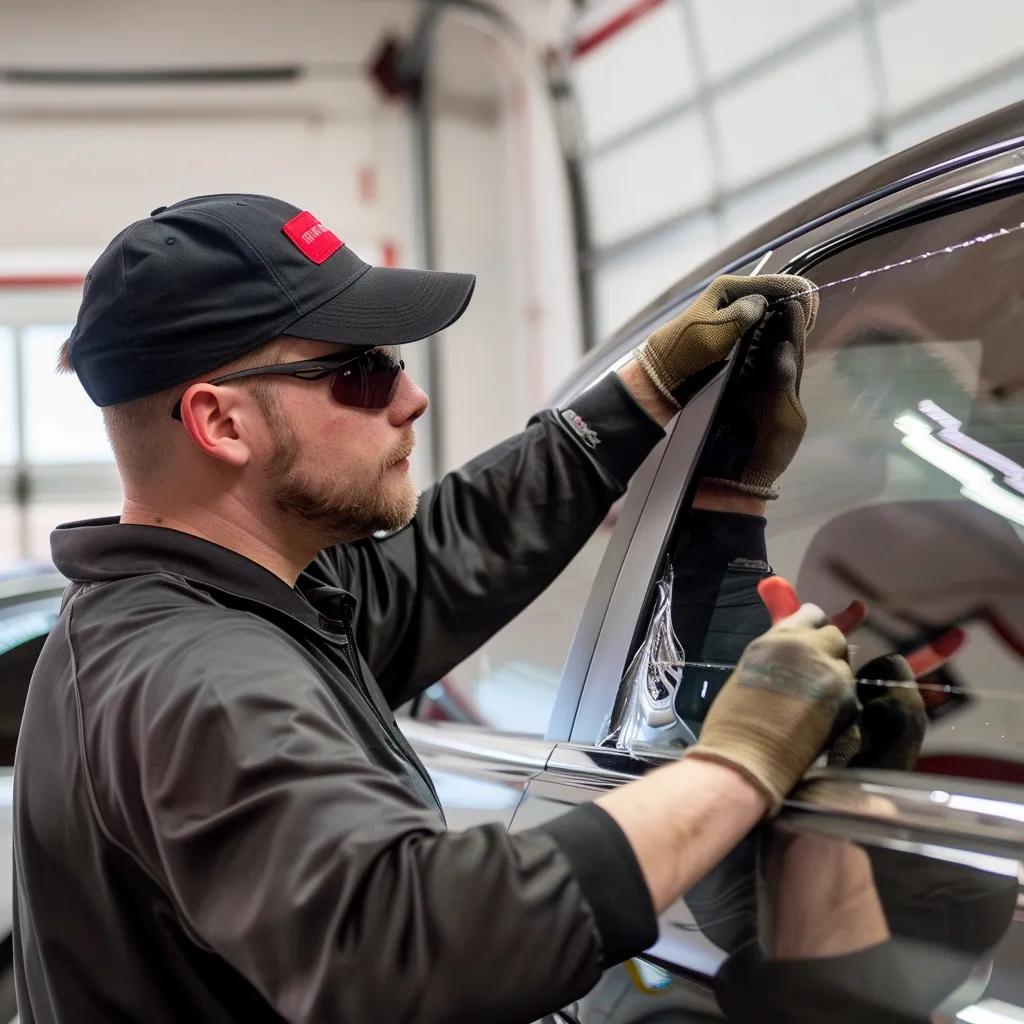
Professional installers deliver precision cuts, bubble-free application, and manufacturer warranties that DIY kits cannot match. Certified installers use commercial heat guns and seam-stress–level trimming tools to ensure edge adhesion and film longevity.
- Expert measurement and patterning reduce wasted material.
- Industry-grade adhesives prevent peeling and delamination.
- Warranty coverage protects against color fading, peeling, and defects.
DIY kits may lower upfront costs by 10–20 percent, but issues like wrinkles, bubbles, and improper curing often force reworks or replacements that exceed the initial savings. Professional installation ensures a flawless finish and shields your investment over years of Utah’s intense sun and temperature swings.
How Does Salt Lake City’s Local Market Affect Window Tint Prices?
Salt Lake City’s cost of living, demand for automotive customizing, and local competition collectively shape regional price points. Higher demand in summer months can push installation queues out weeks, while slower winter periods may yield promotional pricing.
- Labor rates reflect Salt Lake’s skilled-labor wage standards.
- Material costs include local shipping and storage expenses.
- Seasonal demand impacts available appointment slots and urgency premiums.
Understanding Salt Lake City’s market dynamics helps you secure the best timing and negotiate transparent rates. Early-bird booking in spring often yields lower rates than last-minute requests in high-traffic season.
What Is the Average Cost of Window Tinting by Tint Film Type?
Average costs vary widely by film technology. Comparing price bands alongside film features clarifies where to invest for performance.
What Is the Price Range for Ceramic Window Tint and Its Benefits?
Ceramic window tint ranges from $350 to $850 and delivers exceptional IR heat rejection and UV blocking. Its non-metallic composition ensures no signal interference with GPS, phone, or radio.
- Heat Rejection: Up to 90 percent of infrared rays
- UV Protection: Blocks 99 percent of UVA/UVB radiation
- Optical Clarity: Minimal color fading over time
- Warranty: Often lifetime, covering bubbles and peeling
Investing in ceramic film offers long-term cabin comfort, reduced air-conditioning load, and protection for upholstery against sun-fading.
How Much Does Carbon Tint Cost Compared to Other Films?
Carbon tint falls in the mid-range at $200 to $400, offering a matte finish and stable color that resists purple fading. Its layered carbon particles block heat effectively without metallic reflectivity. For more information about tinting, check out our tint installation services.
- Heat Reduction: 40–60 percent of solar energy
- UV Protection: Up to 99 percent of UV rays
- Durability: Scratch-resistant surface coating
- Aesthetics: Deep black finish
Carbon film balances cost and durability, making it a popular choice for drivers seeking both comfort and style without the premium price of ceramic options.
What Are the Costs and Features of Dyed, Metallic, and Crystalline Tints?
Dyed, metallic, and crystalline films occupy distinct price-performance niches:
Dyed films suit cost-conscious drivers, while metallic options reflect solar energy with a mirrored effect. Crystalline films combine near-invisible clarity with industry-leading heat rejection for those prioritizing performance over cost.
How Does Vehicle Type Affect Window Tinting Prices?
Vehicle design, glass surface complexity, and panel count dictate film usage and labor, yielding distinct price profiles by vehicle category.
What Is the Average Tinting Cost for Sedans in Salt Lake City?
Sedans typically require 6–7 windows and average $200 to $500 for a full-car tint. Costs align with film choice, vehicle dimensions, and installer expertise.
Common sedan cost drivers include:
- Low rooflines that demand precise trimming
- Standard door glass sizes that fit most film patterns
- Moderate interior accessibility for efficient application
Sedan owners can often schedule same-week appointments at competitive rates, especially when choosing dyed or carbon films.
How Much Does Tinting an SUV or Truck Typically Cost?
SUVs and trucks range from $250 to $750 due to larger rear windows, tailgates, and sometimes side vents.
Key considerations:
- Extra rear hatch or tailgate glass
- Height-adjustable ladders or lifts for safe access
- Increased film surface area driving higher material costs
This explains why full SUVs often reach the higher end of the mid-range price bands, with ceramic options pushing totals to $800 or more.
What Are the Costs for Luxury and Electric Vehicles Like Tesla?
Luxury and electric vehicles, including Teslas, see average fees of $350 to $950. Sensitive electronics and sleek glass panels require premium film and careful installation.
- Ceramic films prevent interference with Bluetooth, Wi-Fi, and autopilot sensors
- Custom patterning for panoramic roofs and frameless windows
- Higher labor intensity for intricate trim removal and reassembly
Tesla owners benefit from advanced films that preserve signal integrity while ensuring maximum comfort and protection against glare.
What Are the Benefits of Window Tinting Beyond Price?
Window tinting provides health, comfort, and security advantages that extend well beyond cost savings.
How Does Window Tint Provide Superior UV Protection?
Window Tinting and UV Protection
Window tinting films are designed to block a significant portion of harmful ultraviolet (UV) radiation, which can cause skin damage and fading of vehicle interiors. This protection helps to maintain the condition of the vehicle’s interior and reduce the risk of sun-related health issues for occupants.
Skin Cancer Foundation
This citation supports the article’s claims about the health benefits of window tinting by providing information on UV protection.
- Health Impact: Lowers long-term exposure to skin-aging radiation
- Interior Preservation: Shields dashboards and seats from sun-bleaching
- Insurance Benefit: May reduce claims related to heat-induced material damage
How Does Tinting Reduce Heat and Improve Energy Efficiency?
Heat Reduction and Energy Efficiency with Window Tinting
High-performance window tint films can significantly reduce the amount of solar heat entering a vehicle, leading to lower cabin temperatures and reduced reliance on air conditioning. This can result in improved fuel efficiency in gasoline vehicles and extended range in electric vehicles. tint installation
U.S. Department of Energy
This citation supports the article’s claims about the energy-saving benefits of window tinting by providing information on heat reduction and energy efficiency.
- Fuel Economy: Reduced AC runtime saves fuel in gasoline vehicles
- Battery Efficiency: Less HVAC draw extends electric vehicle range
- Comfort: Faster cool-down times for driver and passengers
How Does Window Tint Enhance Privacy and Security?
Window tinting enhances privacy by limiting visibility into the cabin and improves safety by holding shattered glass in place during accidents or break-ins.
- Concealment: Protects valuables from prying eyes
- Safety: Contains broken shards to reduce injury risk
- Peace of Mind: Reinforces vehicle security when parked
How Does Tinting Reduce Glare and Improve Driving Comfort?
Tint films minimize glare from sunlight and oncoming headlights, reducing eye strain and improving driver focus.
- Glare Reduction: Cuts reflected sunlight and headlight glare by up to 60 percent
- Visibility: Enhances contrast and reduces washed-out vision
- Safety: Lowers distraction risk for safer nighttime and daytime driving
What Are Utah’s Window Tint Laws and How Do They Affect Pricing?
Utah’s Visible Light Transmission (VLT) regulations determine legal film darkness for each window, influencing film selection and installation costs.
What Are the Legal Visible Light Transmission (VLT) Limits in Utah?
- Front Side Windows: At least 43 percent VLT
- Rear Side Windows: No restriction beyond front requirement
- Rear Windshield: No restriction beyond front requirement
- Windshield Top Strip: Up to 6 inches of non-reflective tint
Complying with VLT limits may require narrower film selections, which can affect the material cost if specialty films are needed to meet both performance and legal criteria.
What Are the Penalties for Illegal Window Tint in Utah?
Non-compliant tint can result in fines, inspection fees, and mandatory removal orders. Repeat offenses may lead to escalating penalties:
- Initial Fine: Up to $100 plus court fees
- Follow-Up Inspection: Additional $25 inspection fee
- Removal Costs: Out-of-pocket expense for film removal
Ensuring legal compliance from the start prevents these extra costs and supports a hassle-free experience.
Why Choose 801 ASAP Auto Detailing for Window Tinting in Salt Lake City?
Selecting a local expert combines quality materials, skillful installation, and guaranteed satisfaction that aligns with Salt Lake City car-owner expectations.
What Expertise and Quality Materials Does 801 ASAP Auto Detailing Offer?
801 ASAP Auto Detailing’s certified technicians average over 10 years of film installation experience. We partner with top manufacturers to provide ceramic and carbon films that deliver:
- 99 percent UV protection and up to 90 percent heat rejection
- Lifetime warranty covering bubbles, peeling, and fading
- Precision patterning for perfect edge alignment on any vehicle
This level of expertise and product quality ensures long-term performance and peace of mind.
How Does Transparent Pricing and Customer Satisfaction Benefit You?
Our pricing model breaks down material, labor, and warranty costs upfront, eliminating hidden fees. Verified local reviews highlight:
- Fair quotes that match or beat market rates
- Responsive communication and on-time installations
- Satisfaction guarantee on every completed project
Transparent pricing fosters trust, so you know exactly what to expect before you book.
How Easy Is It to Book a Window Tinting Appointment Locally?
Scheduling with 801 ASAP Auto Detailing takes minutes through our online portal or a quick call. We offer: exterior detailing.
- Real-time availability and instant confirmations
- Flexible appointment slots, including weekends
- Convenient Salt Lake City location with ample parking
Efficient booking and service delivery make upgrading your vehicle simple and stress-free.
How Can You Get a Personalized Window Tinting Quote Today?
Requesting a tailored estimate ensures accurate pricing that reflects your vehicle and film preferences.
What Information Is Needed for an Accurate Tinting Quote?
To generate a precise quote, we need: exterior detailing
- Vehicle make, model, and year
- Desired film type (ceramic, carbon, etc.)
- Number of windows and preference for partial or full tint
- Any special features (windshield strip, panoramic roof)
Providing these details upfront allows our team to prepare material and labor estimates that match your needs.
How to Schedule Your Professional Tint Installation with 801 ASAP Auto Detailing?
Contact us via phone or complete our online form to confirm your preferences. Once details are finalized:
- Receive an email confirmation with appointment date and time.
- Drop off your vehicle at our Salt Lake City facility.
- Enjoy a professional installation backed by warranty and post-installation care tips.
Our streamlined process ensures you’re on the road with quality window tint in no time.
Tinting your windows transforms comfort, style, and protection—schedule your custom quote today and experience why 801 ASAP Auto Detailing sets the local standard.
Every vehicle owner in Salt Lake City can now navigate window tint pricing with clarity, compare film benefits, and comply with Utah’s regulations without guesswork. Armed with cost-driving insights, local market context, and professional service options, you’re ready to book with confidence. Embrace cooler cabin temperatures, enhanced privacy, and long-term upholstery protection by choosing expert installation from 801 ASAP Auto Detailing.
Frequently Asked Questions
What are the benefits of window tinting beyond cost savings?
Window tinting offers numerous advantages beyond just financial savings. It provides significant UV protection, reducing the risk of skin damage and preserving the vehicle’s interior from sun-related wear. Additionally, it enhances comfort by lowering cabin temperatures, which can improve fuel efficiency in gas vehicles and extend the range of electric vehicles. Furthermore, window tinting increases privacy and security by limiting visibility into the vehicle, while also reducing glare from sunlight and headlights, enhancing overall driving safety.
How long does window tinting typically last?
The lifespan of window tinting can vary based on the type of film used and the quality of installation. High-quality films, such as ceramic or crystalline, can last up to 10 years or more when properly maintained. Factors like exposure to harsh weather conditions, improper installation, and lack of care can shorten the lifespan. Regular cleaning with non-abrasive materials and avoiding excessive heat can help maintain the tint’s appearance and effectiveness over time.
Can window tinting affect my vehicle’s warranty?
Generally, window tinting should not void your vehicle’s warranty, but it’s essential to check the specific terms of your warranty agreement. Some manufacturers may have restrictions on modifications, including window tinting. To avoid potential issues, consider using professional tint installation services that comply with manufacturer guidelines and use high-quality materials. Always keep documentation of the installation and any warranties provided by the tinting service to ensure coverage remains intact.
What should I consider when choosing a window tinting service?
When selecting a window tinting service, consider the technician’s experience, the quality of materials used, and customer reviews. Look for services that offer warranties on both the film and installation, as this indicates confidence in their work. Additionally, inquire about the types of films available and their respective benefits. Transparent pricing and clear communication about the process are also crucial for a satisfactory experience. A reputable service will provide a detailed quote and answer any questions you may have.
Are there any maintenance tips for tinted windows?
Maintaining tinted windows is relatively straightforward. To keep the tint looking its best, avoid using abrasive cleaners or tools that could scratch the film. Instead, use a soft cloth and a mild soap solution for cleaning. It’s also advisable to wait at least a week after installation before cleaning the windows to allow the film to cure properly. Additionally, avoid rolling down the windows for a few days post-installation to prevent peeling or bubbling.
What are the common misconceptions about window tinting?
One common misconception is that all window tints are the same, but in reality, there are various types with different properties and benefits. Another myth is that window tinting makes it difficult to see out of the vehicle, while high-quality films can actually enhance visibility and reduce glare. Additionally, some believe that window tinting is only for aesthetics, but it also provides significant UV protection and energy efficiency benefits. Understanding these facts can help consumers make informed decisions.