Window Tint Cost Comparison: Quality vs. Affordability for Car Owners in Salt Lake City
Comparing the cost and quality of car window tinting helps Salt Lake City drivers understand the average cost of window tinting while maximizing heat rejection, UV protection, and style. This guide explains what window tinting entails, breaks down the price ranges for dyed, carbon, ceramic, and nano ceramic films, highlights factors that drive tinting costs locally, reviews Utah’s VLT laws, and shows how to book expert service with 801 ASAP Auto Detailing. Read on to discover how to balance price and performance, comply with state regulations, and secure a personalized quote for high-quality installation.
What Is Car Window Tinting and Why Does It Matter?
Car window tinting is the application of thin, multi-layered film to automotive glass to filter sunlight and reduce glare, improving occupant comfort and interior preservation. By blocking infrared and ultraviolet radiation at the glass interface, tinted film cuts cabin heat buildup and prevents dashboard fading under intense sun exposure. For example, a mid-range ceramic tint can lower interior temperatures by up to 60 percent while filtering 99 percent of UV rays, preserving leather seats and reducing air-conditioning load.
How Does Window Tinting Improve Vehicle Comfort and Protection?
Window tinting improves cabin comfort by blocking infrared and ultraviolet radiation, reducing heat buildup by up to 60 percent and shielding interiors from sun damage.
Below are three key ways tint film enhances your driving experience:
- UV Protection – High-performance films filter up to 99 percent of harmful UV rays to prevent skin damage and fabric fading.
- Heat Rejection – Infrared-blocking layers reduce solar heat transmission (TSER) by 40–80 percent, lowering A/C usage and energy costs.
- Privacy & Glare Reduction – Tinted glass minimizes glare and prying eyes, enhancing occupant security and driving visibility.
Benefits of Window Tinting
Window tinting offers several advantages, including protection from harmful UV rays, which can prevent skin damage and fading of vehicle interiors. Additionally, it reduces heat buildup inside the car, lowering the need for air conditioning and improving fuel efficiency.
International Window Film Association
This citation supports the article’s claims about the benefits of window tinting, such as UV protection and heat reduction.
These benefits dovetail with professional installation advantages, ensuring film longevity and consistent performance.
What Are the Key Benefits of Professional Window Tint Installation?
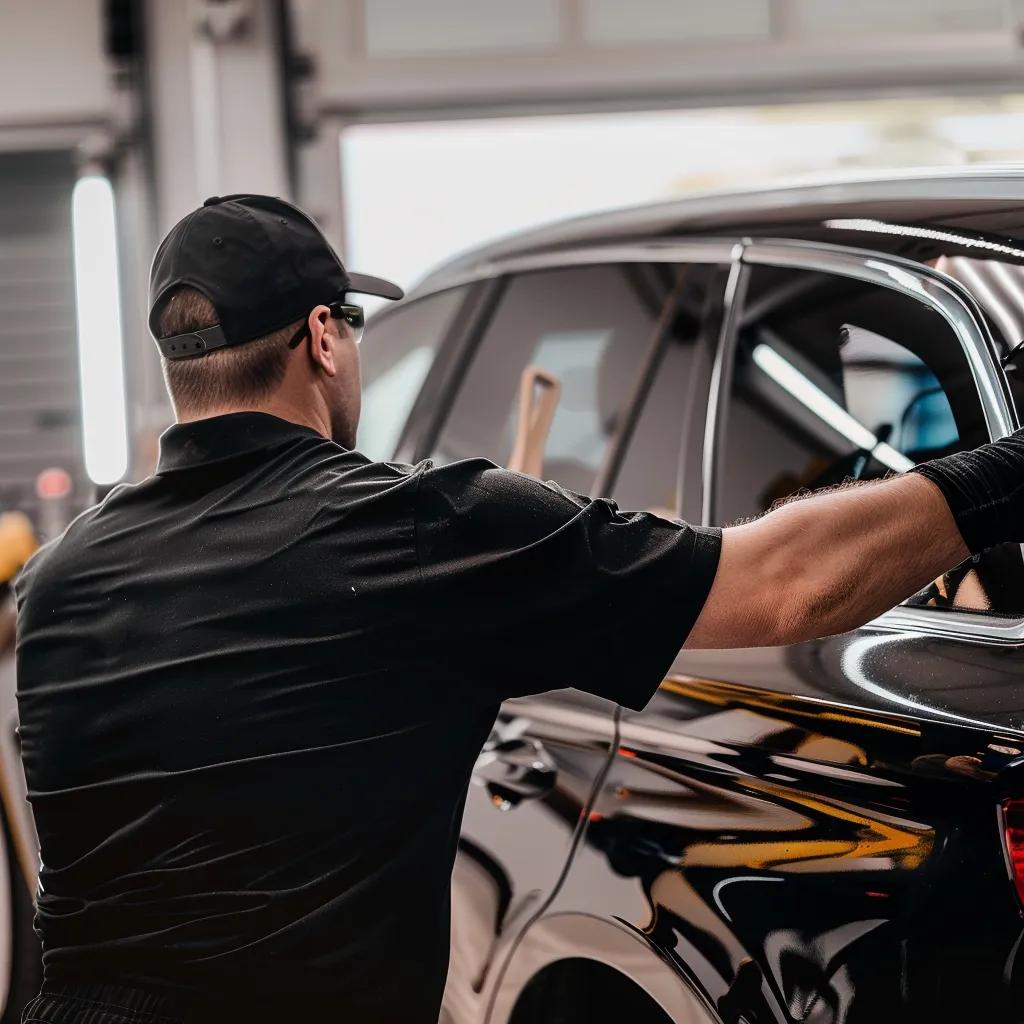
Professional window tint installation delivers precise film alignment, edge sealing, and manufacturer-backed warranties to guarantee long-term performance under diverse conditions. Expert tint installers at 801 ASAP Auto Detailing use specialized tools, wet-apply techniques, and heat-curing processes that eliminate bubbles and wrinkles. For instance, carefully trimmed ceramic film adheres seamlessly to complex rear window curves, preventing peeling and ensuring uniform UV blocking. Certified installers also provide a workmanship warranty, offering peace of mind that film quality and adhesion remain intact for years.
What Are the Different Types of Car Window Tint Films and Their Costs?
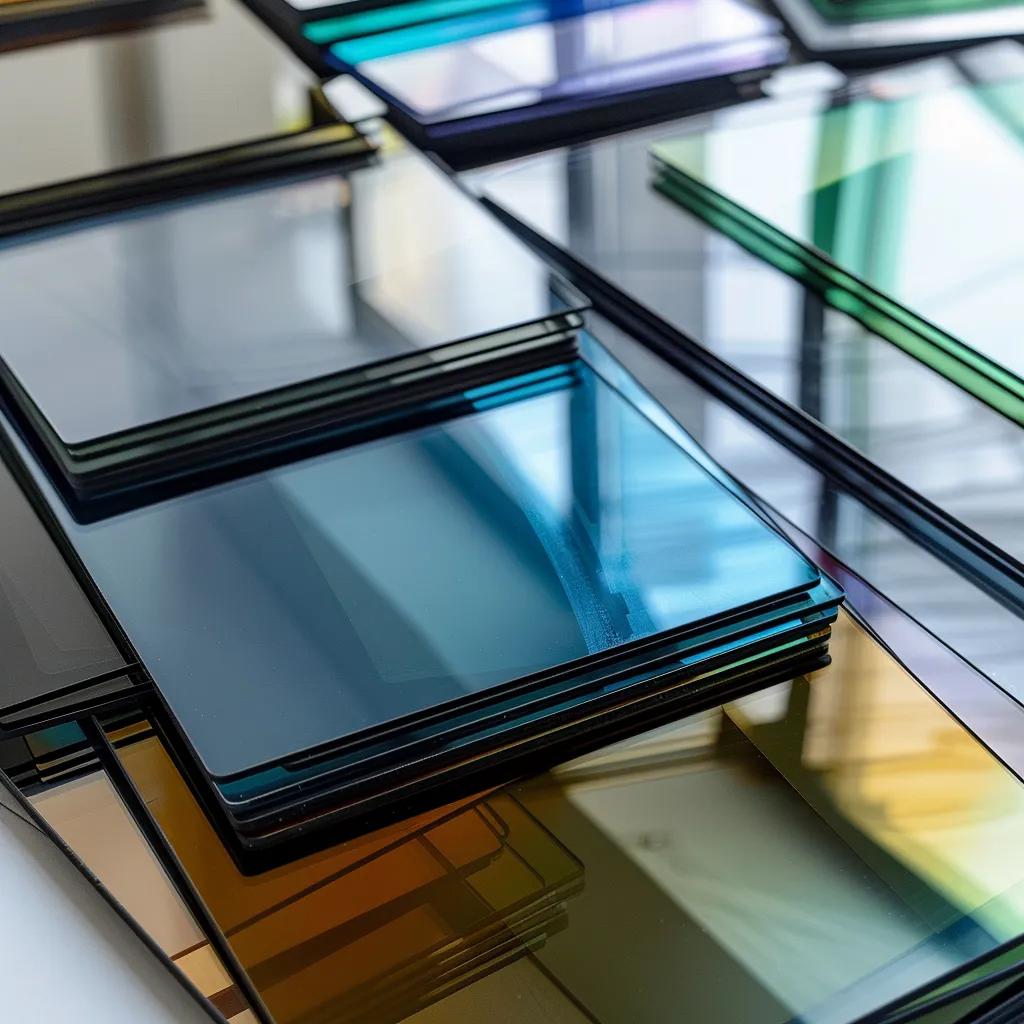
Various tint films range from budget-friendly dyed options to premium nano ceramic films, each with distinct material properties, heat-rejection capabilities, and price points. Understanding the cost spectrum helps you choose a film that aligns with your performance needs and budget.
Types of Window Tint Films and Costs
Different types of window tint films, such as dyed, carbon, ceramic, and nano ceramic, vary in cost and performance. Ceramic and nano ceramic tints offer superior heat rejection and UV protection compared to dyed films, but they come at a higher price point.
Consumer Reports, Window Tinting Guide (2024)
This citation provides information on the different types of window tint films and their associated costs, which is a key topic discussed in the article.
How Much Does Dyed Window Tint Cost and What Are Its Pros and Cons?
Dyed window tint is the most economical option, typically costing between $100 and $200 for a full-car installation. The dye layer absorbs solar heat and provides a darkened appearance, but it can fade and bubble over time due to moisture buildup. Dyed films offer basic UV and glare reduction but deliver lower heat rejection (30–40 percent TSER) and shorter durability compared to advanced films.
What Are the Features and Price Range of Carbon Window Tint?
Carbon window tint, priced around $200 to $400, incorporates carbon particles for matte finish aesthetics and improved heat absorption. Carbon film blocks up to 60 percent of UV rays and rejects 40–50 percent of solar heat, offering mid-range performance without causing radio or GPS interference. Its non-metalized structure resists fading more effectively than dyed films, providing a balance of affordability and durability.
Why Is Ceramic Window Tint Considered Premium and How Much Does It Cost?
Ceramic window tint commands a premium price, ranging from $350 to $900 for most sedans, due to its advanced, non-conductive ceramic particles that deliver exceptional heat rejection (50–70 percent TSER) and UV protection (up to 99 percent). This premium film maintains optical clarity, resists discoloration, and does not interfere with electronic signals. Ceramic tint’s long-term durability and superior comfort benefits justify the higher investment.
What Makes Nano Ceramic Tint Different and Is It Worth the Cost?
Nano ceramic tint elevates performance further by using nano-scale ceramic particles that optimize infrared reflection and UV blockage while remaining virtually invisible. Priced between $400 and $1,000, nano ceramic films achieve 60–80 percent heat rejection, block 99 percent of UV rays, and provide the highest scratch resistance. The incremental cost supports unmatched comfort, clarity, and film longevity for drivers seeking top-tier protection.
How Do Hybrid and Metalized Tints Compare in Quality and Price?
Hybrid and metalized tints blend dye and metal layers to offer moderate cost and performance, typically costing $250 to $500. These films achieve UV rejection of 55–80 percent and TSER ratings of 45–65 percent, combining glare reduction with durability. Metalized layers can reflect heat effectively but may cause slight signal interference, while hybrids minimize that issue with balanced composition.
What Does a Comparison Table of Tint Types Reveal About Quality vs. Affordability?
The following table uses an Entity–Attribute–Value structure to show how cost correlates with performance attributes across film types:
Each incremental cost tier delivers corresponding gains in UV and heat rejection, with ceramic and nano ceramic options providing the greatest long-term value.
What Factors Influence the Cost of Window Tinting in Salt Lake City?
Tinting prices vary based on vehicle characteristics, film quality, installation complexity, and additional services. Understanding these drivers ensures you can anticipate the final investment.
How Does Vehicle Make, Model, and Window Size Affect Tinting Prices?
Larger vehicles or those with curved, complex windows require more film material and longer installation time, increasing labor costs. For example, full-size SUVs and luxury sedans can add 20–30 percent to labor charges compared to compact cars due to additional trimming and heat-curing demands.
What Role Does Film Quality and Brand Play in Pricing?
Premium films from top brands like Llumar, XPEL, and Rayno use advanced materials (ceramic, nano ceramic) that cost more per square foot. Brand reputation, proprietary manufacturing processes, and performance guarantees contribute to higher price points for films that deliver superior UV and heat rejection.
How Does Professional Installation Compare to DIY in Cost and Value?
Professional installation typically adds $100–$250 in labor but ensures flawless film application, edge sealing, and long-term adhesion. DIY kits cost $20–$100 for materials but carry high risk of bubbling, misalignment, and no warranty. Expert installation justifies the labor premium by preserving film integrity and securing a workmanship guarantee.
What Additional Costs Should You Expect, Such as Old Tint Removal or Warranty?
Removing old film adds $50–$150 depending on adhesive condition and window count, while extended warranties on film performance or labor can add $50–$200. Factory services may charge extra fees for ceramic coatings or paint protection bundles, so inquire about package pricing for bundled savings.
How to Balance Quality and Affordability When Choosing Window Tint?
Selecting the right tint involves weighing upfront cost against long-term benefits like energy savings, interior preservation, and resale value.
What Long-Term Benefits Does Quality Tinting Provide That Justify Higher Costs?
High-quality films deliver lasting UV and heat rejection, reducing interior fading, lowering A/C usage, and enhancing passenger comfort. Ceramic and nano ceramic tints often come with lifetime warranties, boosting vehicle resale value. Investing upfront in durable film translates to lower maintenance and energy expenses over the vehicle’s lifespan.
When Is Affordability the Priority and How to Choose Smart Tint Options?
Budget-minded drivers can opt for carbon or hybrid films to gain moderate UV protection and heat reduction at half the premium cost. Choosing a reputable mid-tier brand and booking during off-peak installation periods can further reduce price without sacrificing essential benefits.
What Are Utah’s Car Window Tint Laws and How Do They Affect Your Tinting Choices?
Compliance with state regulations ensures you avoid fines, maintain safety, and preserve legal tint shades for each vehicle window.
What Is Visible Light Transmission (VLT) and Why Is It Important?
Visible Light Transmission (VLT) measures the percentage of visible light that passes through tinted glass. Higher VLT percentages mean lighter tint, with lower VLT indicating darker film. Utah law specifies minimum VLT requirements to ensure driver visibility and pedestrian safety.
What Are the Specific Utah Tinting Regulations for Front, Rear, and Side Windows?
Utah regulations require:
- Front side windows: At least 43 percent VLT
- Rear side and back windows: No VLT restriction for passenger vehicles
- Windshield: Non-reflective tint above the top 6 inches only
Adhering to these levels guarantees lawful tint installation across all window surfaces.
How Does Compliance with Utah Laws Protect You and Your Vehicle?
Staying within VLT limits avoids citations, insurance issues, and potential removal orders. Legally compliant tint also maintains optimum daytime visibility and reduces glare without compromising safety standards enforced by state authorities.
Why Choose 801 ASAP Auto Detailing for Window Tinting in Salt Lake City?
Partnering with a local expert ensures high-quality service, certified installation, and transparent pricing to deliver lasting performance and satisfaction.
What Expertise and Certifications Do Our Installers Have?
Our installers hold IWFA (International Window Film Association) certifications and receive ongoing training on the latest ceramic and nano ceramic film technologies. This expertise ensures precise film cuts, seamless edge sealing, and consistent warranty coverage.
Which Premium Tint Films Do We Offer, Including Ceramic and Nano Ceramic?
We carry top-tier brands such as Llumar, XPEL, and Rayno, specializing in ceramic and nano ceramic films that block up to 99 percent of UV rays and reject 60–80 percent of solar heat. These films maintain optical clarity and resist fading for years of reliable performance.
What Do Local Customers Say About Our Window Tinting Services?
Local drivers praise our attention to detail, flawless film application, and friendly service. One Salt Lake City SUV owner noted a 15 degree cabin temperature drop after ceramic tint installation, citing dramatic comfort improvements during summer commutes.
How Transparent Is Our Pricing and What Warranty Do We Provide?
We publish clear package prices online, covering film type, vehicle size, and installation labor. Every tint job includes a lifetime workmanship warranty and manufacturer film warranty ranging from 5 to 10 years, protecting your investment.
How Can You Get a Personalized Window Tinting Quote and Schedule Service?
Getting an accurate quote and convenient appointment takes minutes by providing key vehicle and preference details to our team.
What Information Do You Need to Provide for an Accurate Quote?
Please share your vehicle’s make, model, year, approximate window count, and preferred film type (dyed, carbon, ceramic, nano ceramic). Any existing tint removal needs or bundled services (e.g., paint protection) will help us deliver precise pricing.
How to Book Your Appointment with 801 ASAP Auto Detailing in Salt Lake City?
To schedule professional window tint installation, visit our tint services page and select your vehicle type and desired film: Schedule your tint installation. Our online booking form secures your preferred date and time, or call us directly for same-day appointments.
What Should You Expect During Your Window Tinting Appointment?
At your appointment, technicians will remove any old film, clean and prep glass surfaces, apply your chosen tint, and use heat-curing tools to ensure a perfect fit. The process typically takes 2–4 hours, after which you can drive away with immediate comfort and long-term performance benefits.
Investing in the right window tint film blends affordability and quality to deliver maximum heat rejection, UV protection, and durability for your vehicle. By understanding cost drivers, state regulations, and film characteristics, Salt Lake City drivers can choose an optimal solution that balances upfront price with long-term value. Trust 801 ASAP Auto Detailing’s certified experts to install premium films, provide transparent pricing, and back every job with comprehensive warranties. Contact us today to secure your personalized quote and experience superior cabin comfort and protection with our professional window tinting services.
Frequently Asked Questions
What is the average lifespan of window tint films?
The lifespan of window tint films varies based on the type and quality of the film. Generally, dyed films last about 5 years, while carbon films can last up to 10 years. Premium options like ceramic and nano ceramic films often come with warranties of 10 years or more, and can last even longer with proper care. Factors such as exposure to sunlight, environmental conditions, and maintenance practices also play a significant role in determining how long your window tint will last.
Can I remove window tint myself, and how is it done?
While it is possible to remove window tint yourself, it can be a challenging process that requires careful attention to avoid damaging the glass. To remove tint, you typically need to heat the film with a hairdryer or heat gun to loosen the adhesive, then peel it off slowly. Any remaining adhesive can be removed with a solvent or adhesive remover. However, hiring a professional is often recommended to ensure a clean removal and to avoid potential damage to the windows.
What are the potential health benefits of window tinting?
Window tinting offers several health benefits, primarily by blocking harmful UV rays that can lead to skin damage and increase the risk of skin cancer. High-quality films can filter out up to 99 percent of UV radiation, providing a protective barrier for occupants. Additionally, reducing glare can help prevent eye strain and improve visibility while driving, contributing to overall safety and comfort during travel.
How does window tinting affect visibility at night?
High-quality window tinting is designed to maintain visibility at night while providing privacy during the day. Many modern films are engineered to allow a significant amount of visible light to pass through, ensuring that nighttime visibility is not compromised. However, darker tints may reduce visibility in low-light conditions. It’s essential to choose a tint that complies with local regulations and meets your visibility needs for both day and night driving.
Are there any specific maintenance tips for tinted windows?
To maintain tinted windows, avoid using abrasive cleaners or tools that can scratch the film. Instead, use a soft microfiber cloth and a gentle, ammonia-free cleaner to clean the glass. It’s also advisable to wait at least a week after installation before cleaning the windows to allow the film to fully adhere. Regularly inspect the edges for peeling or bubbling, and address any issues promptly to prolong the life of the tint.
What should I consider when choosing a tint percentage?
When selecting a tint percentage, consider factors such as local laws regarding Visible Light Transmission (VLT), your personal preference for privacy, and the amount of sunlight exposure your vehicle receives. A higher percentage allows more light in, which can be beneficial for visibility, while a lower percentage provides more privacy and heat rejection. Balancing these factors will help you choose a tint that meets your needs while remaining compliant with regulations.