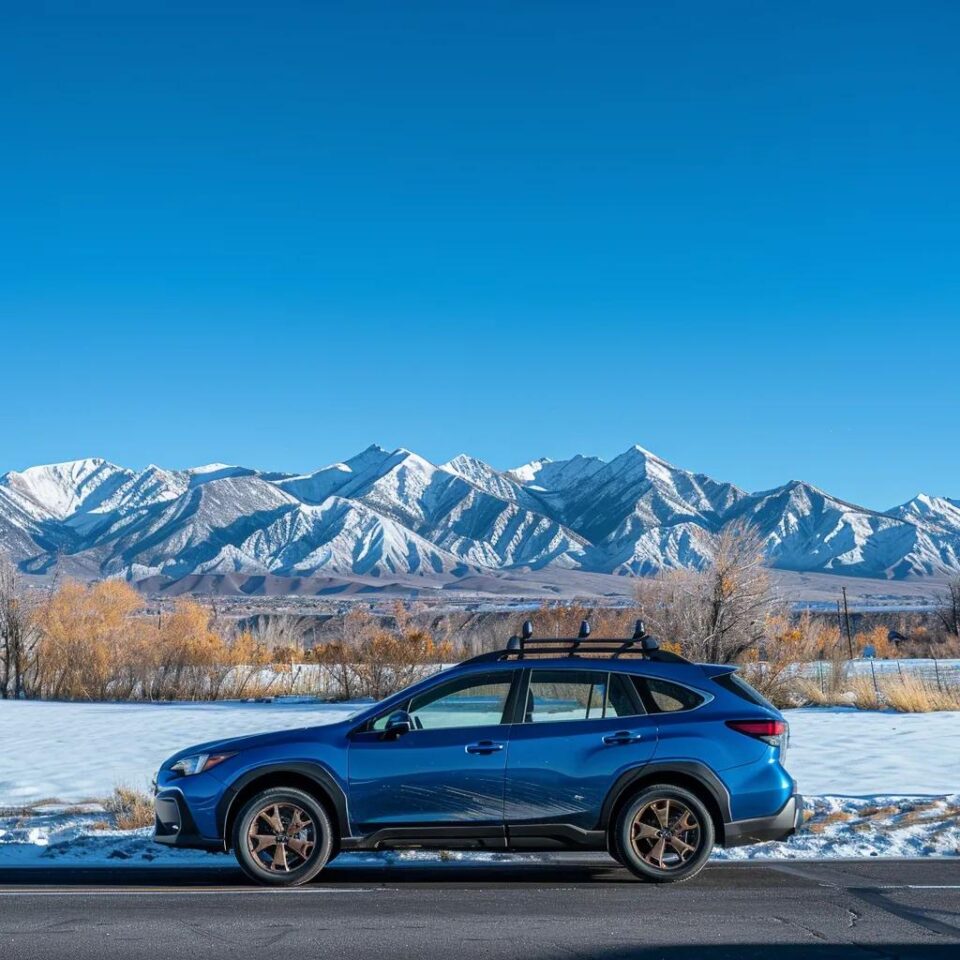
Master Exterior Car Detailing for Stunning Results
Car detailing isn’t simply washing your vehicle—it’s an art that combines science, care, and the right tools to bring out the beauty of your car. For car owners in Salt Lake City and surrounding areas, effective exterior car detailing enhances appearance and protects against pollutants, ultraviolet rays, and environmental wear and tear. This guide outlines the essential steps in exterior detailing, the best products and tools available, and common mistakes to avoid. Following these techniques will preserve your vehicle’s value and ensure it stands out, whether parked at home or on the road. With multiple awards for excellence, ASAP Auto Detailing offers professional-level results through clear, practical instructions that even beginners can follow. Ultimately, our goal is to help you achieve lasting shine, optimal protection, and long-term vehicle longevity.
What Are the Essential Steps for Effective Exterior Car Detailing?
Effective exterior detailing relies on proper cleaning, protection, and enhancement methods. The sections below break down each critical step.
How to Properly Wash Your Car Without Damaging the Paint
Start by washing your car correctly to protect the sensitive polymer layer on your paint. Technicians recommend a pre-soak with dedicated car wash soap that creates thick foam, lifting loose dirt and debris. Use a microfiber mitt and a two-bucket method—one for soapy water and one for rinsing—to reduce abrasive particles. Begin washing from the roof downward so gravity helps remove contaminants. This process prevents damage from sand, mud, and other debris while keeping your finish intact.
What Is Paint Correction and How Does It Remove Swirl Marks and Scratches?
Paint correction eliminates micro-scratches, swirl marks, and minor defects from the clear coat with compounds and mild abrasive polishes. A dual-action buffer and the correct compound can restore paint depth and clarity, reducing swirl marks by up to 90% in some cases. Correcting the paint not only improves aesthetics but also prepares the surface for protective wax or sealant applications.
How to Apply Wax and Sealants for Long-Lasting Shine and Protection
Waxing and sealing create a barrier that guards against ultraviolet damage, pollutant deposition, and road grime. Apply high-quality carnauba wax or synthetic sealant with a soft foam applicator using controlled circular motions. Keep the coat thin to avoid buildup, then buff off any residue with a microfiber cloth to reveal a deep, glossy shine. The wax acts as a sacrificial layer against minor abrasions and friction, with benefits lasting 6–12 weeks.
Why Is Ceramic Coating a Game-Changer for Exterior Protection?
Ceramic coating provides a chemically bonded layer that repels water, dirt, and contaminants. Unlike traditional waxes, it offers durable protection lasting several years. Often containing silicon dioxide (SiO₂), ceramic coatings reduce cleaning time by up to 50% and protect against ultraviolet rays and oxidation by forming an almost hydrophobic surface, ensuring a consistently brilliant finish.
How to Detail Wheels, Tires, and Glass for a Complete Exterior Finish
For full exterior detailing, pay attention to wheels, tires, and glass. Wheels and tires accumulate brake dust, road grime, and corrosion. Use dedicated wheel cleaners and soft brushes to clean without damaging finishes. Apply a protective tire dressing to restore deep black color and provide UV protection. Clean glass surfaces with streak-free products to ensure clear visibility, which is essential not only for appearance but also for safe driving.
Which Products and Tools Are Best for Exterior Car Detailing?

The right products and tools are as important as proper technique. Quality supplies support effective cleaning and lasting protection.
What Are the Top Car Wash Soaps and Their Benefits?
Specialized car wash soaps are gentle on paint yet effective at removing oil, dirt, and road salts. They include surfactants that reduce surface tension and foaming agents to lift contaminants, helping to maintain your car’s clear coat and reduce fine scratches. Their compatibility with microfiber mitts and the two-bucket method maximizes cleaning efficiency.
How to Choose the Right Polishes, Compounds, and Buffers for Paint Correction
During paint correction, use a mild compound for light imperfections and more aggressive ones for deeper scratches. Dual-action buffers help distribute the compound evenly while limiting heat buildup. Choose the right combination based on the extent of scratches and the car’s age to achieve a mirror-like finish without damaging the paint.
What Are the Differences Between Car Waxes, Sealants, and Ceramic Coatings?
Car waxes (often carnauba or synthetic) provide a warm, glossy finish but wear faster under extreme weather. Sealants, made from synthetic polymers, offer longer-lasting high-gloss protection. Ceramic coatings, forming a permanent chemical bond with the paint, deliver multi-year protection and drastically reduce the need for frequent reapplication.
Which Detailing Tools Improve Efficiency and Results?
Essential detailing tools include microfiber towels, wash mitts, foam cannons, and pressure washers. Dual-action polishers help evenly distribute correction compounds, while specialized brushes assist in cleaning difficult areas like wheels and crevices. These tools streamline the workflow and ensure a high-quality, scratch-free finish.
How Often Should You Detail Your Car’s Exterior for Optimal Results?
Regular maintenance is key to keeping your car in top condition. The frequency depends on environmental exposure and daily usage.
What Is the Recommended Washing Schedule to Protect Your Paint?
A typical car should be washed at least every two weeks. In areas with high pollution, dust, or road salt, more frequent washing may be required. A consistent routine using pre-soak and gentle cleansers prevents contaminants from degrading your paint and preserves protective wax and sealant layers.
How Often Should You Wax or Seal Your Vehicle?
Waxing or sealing should be done after every 4–6 washes, or approximately every 6–8 weeks. High-quality synthetic sealants may extend this period to 3–4 months. Regular application protects the clear coat from UV rays, pollutants, and minor abrasions while maintaining the vehicle’s shine.
When Is It Time to Reapply Ceramic Coating or Paint Protection Film?
Although ceramic coatings offer long-term protection, they should be reassessed every 2–3 years. Signs such as diminished water beading indicate it’s time for reapplication. Paint protection films should also be inspected annually for wear or delamination to prevent exposure of the underlying paint.
What Are the Benefits of Professional Exterior Car Detailing Services?

Professional detailing services offer enhanced results through expert techniques and premium products that can be hard to replicate at home. They save time, reduce the risk of damage, and provide customized care.
How Do Expert Technicians Achieve Superior Detailing Results?
Expert technicians follow strict protocols using specialized equipment like dual-action polishers and controlled drying methods. Their experience enables them to accurately customize each detail, ensuring every part of your car is thoroughly cleaned, polished, and protected for a showroom-quality finish.
What Premium Products Do Professionals Use for Lasting Protection?
Professionals use high-performance products such as advanced polymer-based sealants, hybrid waxes, and premium ceramic coatings. These products bond strongly to the paint and offer extended durability compared to consumer-grade alternatives. They also use specialized applicators and microfiber towels, which help minimize micro-scratches and environmental damage.
How Does Exterior Detailing Increase Vehicle Resale Value?
Regular, professional detailing maintains your car’s aesthetic appeal by protecting the paint and trim from environmental damage. A well-detailed car signals to buyers that it has been meticulously cared for, potentially increasing its resale value by 10–15%. Detailed service records can further boost buyer confidence.
How Can You Perform Exterior Car Detailing Safely and Sustainably?
Safe and sustainable detailing protects both your vehicle and the environment. Eco-friendly practices reduce water and chemical waste while delivering excellent results.
What Eco-Friendly Products Are Effective for Exterior Detailing?
Eco-friendly products are biodegradable and free from harsh chemicals yet effectively remove oil, mud, and road salt. They often include natural surfactants and renewable polymers that clean thoroughly without leaving harmful residues. These products help maintain a beautiful finish while minimizing environmental impact.
How to Minimize Water and Chemical Waste During Detailing?
Use waterless or low-water techniques such as low-flow pressure washing or steam cleaning. Pre-soaking with a foam cannon and targeted detergent application reduces the need for extensive scrubbing. Additionally, water recycling systems can filter and reuse rinse water, further reducing waste and costs.
What Are the Best Practices for Safe Handling of Detailing Chemicals?
Always use personal protective equipment like gloves, goggles, and respirators when working with chemicals. Follow manufacturer instructions, use chemicals only in well-ventilated areas, and store them properly. Have spill containment kits and first-aid supplies on hand. Adhering to these practices ensures safety and environmental compliance.
What Are the Most Common Exterior Car Detailing Mistakes to Avoid?

Avoid common mistakes to maintain your car’s finish and prevent costly damage.
How to Prevent Paint Swirl Marks and Scratches During Washing?
Prevent swirl marks by using the two-bucket method and high-quality microfiber mitts. Avoid abrasive materials like old sponges and use gentle, automotive-specific cleaning solutions. Pre-soaking dissolves contaminants, reducing the need for aggressive scrubbing that can damage the paint.
Why Is Over-Polishing Harmful to Car Paint?
Excessive polishing can wear away the clear coat, exposing the underlying paint. While correcting imperfections is necessary, overuse of polish can accelerate oxidation and reduce long-term durability. Limit polishing to when it is needed and always follow up with a protective wax or sealant.
What Are the Risks of Using Low-Quality Detailing Products?
Low-quality soaps, waxes, or sealants may leave residues, cause streaks, or strip essential protective layers from your car’s paint. They can lead to discoloration and increased attraction of dirt, ultimately requiring more frequent and costly maintenance.
Where Can You Find Reliable Exterior Car Detailing Services Near You?
Finding a trusted detailing service is essential for professional, consistent results.
How to Choose a Trusted Local Detailing Company?
Research local companies through customer reviews, certifications, and before-and-after portfolios. Look for providers such as ASAP Auto Detailing, known for their award-winning service in Salt Lake City. Transparency in pricing, use of quality products, and extensive experience are key indicators of reliability.
What Questions Should You Ask Before Booking a Detailing Service?
Ask about the cleaning methods used to prevent swirl marks, the types of eco-friendly products employed, and the estimated service duration. Inquire about post-service maintenance tips, warranties, and whether they offer additional services like ceramic coating reapplication. Confirming insurance details can also strengthen your confidence in their service.
How Do Mobile Detailing Services Offer Convenience and Quality?
Mobile detailing brings professional care directly to your location, eliminating the need to drop off your car. Equipped with advanced tools like pressure washers and foam cannons, mobile services offer flexible scheduling and personalized consultations, ensuring high-quality results with added convenience.
Table: Comparison of Exterior Car Detailing Products and Their Benefits
Before the final section, consider this table summarizing key detailing products:
This table highlights differences in formulation, durability, and cost to help select the best option for your detailing needs.
Final Thoughts
ASAP Auto Detailing shows that effective exterior detailing is both an art and a science. Professional techniques combined with premium products protect your vehicle from environmental stress while enhancing its beauty and longevity. A consistent maintenance schedule and attention to common detailing mistakes ensure your investment remains in peak condition, which also boosts resale value. Ultimately, choosing quality detailing—whether DIY or professional—keeps your car a source of pride and performance.
Frequently Asked Questions
Q: How can regular washing impact my car’s finish? A: Regular washing removes contaminants like road salt and dust that can erode the clear coat. Using the two-bucket method and microfiber tools preserves the paint and keeps your car’s shine intact.
Q: What makes ceramic coatings more durable than traditional waxes? A: Ceramic coatings chemically bond to the paint, forming a hard, hydrophobic layer that repels water and contaminants for up to 2–3 years. This reduces maintenance frequency and better protects against UV rays and pollutants.
Q: Are eco-friendly detailing products as effective as conventional ones? A: Yes, eco-friendly products use biodegradable ingredients that provide excellent cleaning and protection without harmful residues, minimizing environmental impact.
Q: How do professional detailing services increase my car’s resale value? A: Professional detailing preserves your car’s appearance by removing imperfections and protecting the paint, which signals careful maintenance and can boost resale value by up to 10–15%.
Q: Can I perform exterior detailing safely at home without professional equipment? A: While many detailing tasks can be done at home using the right techniques and products, professional services offer specialized equipment and expertise that help avoid common mistakes for longer-lasting results.
Q: What is the advantage of mobile detailing services? A: Mobile detailing brings advanced, eco-friendly care directly to you, saving time and eliminating the hassle of drop-offs while providing personalized service.
Q: How often should I schedule professional detailing for optimal results? A: Generally, scheduling professional detailing every 3–4 months is ideal for maintaining peak appearance and protection, though harsher conditions may require more frequent service.