Ultimate Car Detailing Guide for a Showroom Shine
Are you looking to transform your vehicle into a gleaming masterpiece that looks like it just rolled off a showroom floor? This comprehensive guide covers everything you need to achieve a professional finish. Car detailing goes beyond a quick wash; it involves selecting the right tools, products, and techniques to remove contaminants, protect the paint, and enhance your vehicle’s appearance. With expert methods and maintenance tips, this guide is tailored for car owners in Salt Lake City and nearby areas. From the initial wash to advanced techniques like paint correction, waxing, and interior cleaning, each section breaks the process into clear, manageable steps. Follow these instructions to elevate your auto detailing routine, extend your car’s longevity, and enjoy professional results every time.
What Are the Essential Tools and Products for Car Detailing?
For a showroom finish, you need specialized cleaning agents, applicators, and protective products. This section highlights must-have items and explains how each contributes to outstanding results.
Which Car Detailing Products Are Needed for a Showroom Shine?
A true showroom shine starts with high-quality detailing products. Key items include: – Automotive Soap: A pH-balanced soap that removes contaminants without stripping natural oils. – Microfiber Towels: Lint-free cloths that dry and polish the car without scratching. – Car Wax / Sealant: Provides deep shine and long-lasting protection. – Ceramic Coatings: Offer durable, UV-resistant protection. – Glass and Trim Cleaners: Help restore clarity and protect plastic surfaces.
These products work together to create a layered defense, keeping every surface of your car pristine.
What Detailing Tools Should You Use for Best Results?
Essential tools for efficient auto detailing include: – Pressure Washers: Use controlled water pressure to rinse away dirt. – Foam Cannons: Produce a thick foam that pre-lifts grime. – Soft-Bristle Brushes & Microfiber Mitts: Ensure gentle cleaning without scratches. – Dual-Action Polishers: Help reduce scratches and enhance gloss. – Clay Bars & Vacuum Systems: Remove bonded contaminants and clean interiors.
Each tool supports proper adhesion of waxes and sealants, ensuring a lasting finish.
How to Choose the Right Products for Your Car’s Finish?
When selecting detailing products, consider your car’s finish, local climate, and personal expectations. Darker paints may need gloss-enhancing products, while cars exposed to harsh sunlight can benefit from UV-protective formulas. Always test a small area first, and choose non-abrasive, pH-neutral cleaners to safeguard delicate surfaces. Proper concentration and application methods also enhance product effectiveness and overall cost-efficiency.
How Do You Properly Wash and Prepare Your Car’s Exterior?
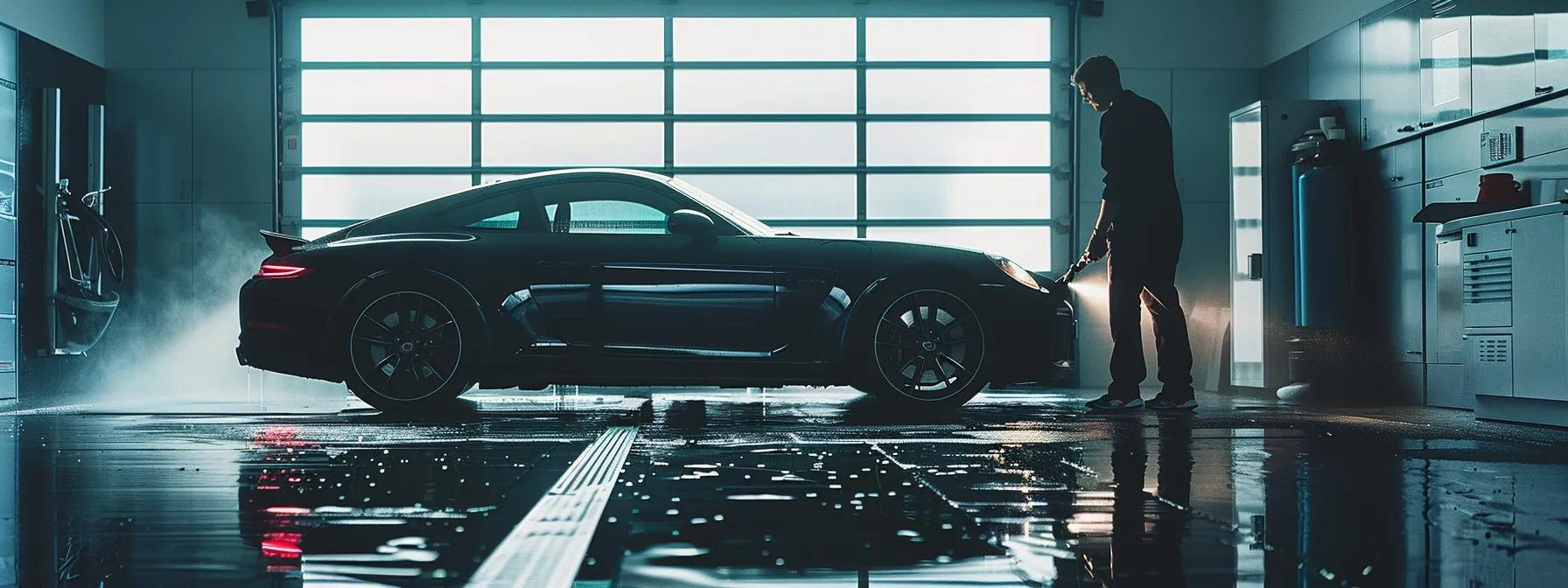
A proper wash is the foundation of effective detailing. It removes surface contaminants and minimizes scratch risks, paving the way for paint correction and protective treatments.
What Is the Two-Bucket Method and Why Is It Important?
The two-bucket method minimizes swirl marks and scratches. Use one bucket for your soapy water and a second bucket with clean water to rinse your mitt. This prevents captured dirt from being reapplied to your paint and preserves the integrity of the clear coat. It also gets your car ready for treatments like clay bar cleaning and waxing.
How to Perform a Pre-Wash and Use Foam Cannons Effectively?
Start with a pre-wash using a gentle water stream to remove loose dirt. Then apply a foam cannon with a pressure washer to cover the car in foam; this lubricates the surface and encapsulates grime, reducing the need for aggressive scrubbing. Allow the foam to dwell for 10–15 minutes to loosen stubborn particles.
When and How Should You Use a Clay Bar for Contaminant Removal?
After washing, use a clay bar to remove bonded contaminants such as tar, industrial fallout, or tree sap. Spray a lubricant over the surface and gently glide the clay bar in a back-and-forth motion. This step smooths the paint, ensuring excellent adhesion for waxes and sealants.
What Are the Best Techniques for Paint Correction and Polishing?
Paint correction and polishing address imperfections like swirl marks, oxidation, and light scratches. These processes restore the paint’s depth and clarity, resulting in a flawless finish.
How to Identify and Remove Scratches and Swirl Marks?
Examine your car in bright light or under a detailing lamp to spot imperfections. Use a compound with abrasives to diminish deeper marks and follow with a polish featuring finer abrasives for added gloss. Always test compounds in a hidden area first, then use a dual-action polisher on low speed to prevent heat buildup and further damage.
What Is the Difference Between Compounding and Polishing?
Compounding is an aggressive process that removes severe defects by lightly sanding off a small layer of the clear coat, while polishing smooths and enhances the finish afterward. Typically, professionals compound first to eliminate blemishes and then polish to restore shine and clarity.
How to Safely Use a Polisher for a Flawless Finish?
When using a polisher, choose the right pad (foam or microfiber) and work in small, overlapping sections. Begin at low speed to spread the polish evenly and gradually increase speed as needed—always keeping the tool moving to avoid burn marks. Clean residue frequently to prevent buildup and ensure an even finish.
How Do You Apply Waxing and Sealants for Long-Lasting Protection?

Waxing and sealants not only enhance your car’s shine but also protect it from environmental damage, ensuring prolonged use and a pristine look.
What Types of Car Wax Are Best for a Showroom Shine?
Traditional carnauba wax is known for delivering a warm, glossy finish, whereas synthetic sealants offer superior durability. Many experts now recommend hybrid products that blend both qualities to provide rich shine and outstanding protection against UV rays and oxidation.
How to Properly Apply Wax or Sealant for Maximum Shine?
Apply wax or sealant using a foam applicator with circular or crisscross motions to ensure an even coat. Allow the product to haze for 5–10 minutes before buffing off with a clean microfiber cloth. Working in small sections helps avoid overlapping and uneven finishes, and following the product’s curing time is vital for long-lasting results.
How Often Should You Wax Your Car to Maintain Protection?
Waxing every three months is generally recommended, though more frequent applications may be necessary in harsh conditions with heavy UV exposure, salt, or pollutants. Regular inspection of the water-beading effect can help determine if reapplication is needed.
How Should You Detail the Interior for a Complete Showroom Finish?
Interior detailing enhances your car’s overall appeal. A clean interior significantly boosts the vehicle’s value and ensures every detail reflects the high standards of your exterior work.
What Are the Best Practices for Vacuuming and Cleaning Upholstery?
Start by vacuuming carpets, seats, and crevices using appropriate attachments. Apply automotive fabric cleaners to remove stains and odors, while leather surfaces benefit from dedicated leather cleaners followed by conditioners. Use soft brushes and ensure cleaning solutions are correctly diluted to avoid residue.
How to Clean and Protect the Dashboard, Console, and Plastics?
Wipe down dashboards, consoles, and plastic trim with a non-abrasive cleaner formulated for automotive use. An all-purpose cleaner helps remove dust and protects these surfaces from UV damage. Applying a protectant can also restore depth and safeguard against fading.
How to Achieve Streak-Free Glass Cleaning Inside the Car?
For clear, streak-free glass, spray a glass-specific cleaner on windows and wipe with a dedicated microfiber cloth using vertical and horizontal motions. Clean in a shaded area to prevent the solution from drying too quickly and causing streaks.
What Are the Steps for Wheel, Tire, and Engine Bay Detailing?

Wheels, tires, and the engine bay often accumulate heavy grime, brake dust, and oil residues. Proper cleaning here is essential to complete your showroom look.
How to Clean and Shine Wheels and Tires Effectively?
Begin by pre-rinsing wheels to remove loose particles. Apply a dedicated wheel cleaner and agitate with a soft-bristle brush to clean all crevices. For tires, use a tire dressing product to restore a deep black finish and protect against UV damage. Rinse thoroughly to remove any leftover product.
What Is the Proper Way to Clean and Protect the Engine Bay?
When cleaning the engine bay, use caution with water and chemicals to avoid damaging electrical components. Rinse lightly, apply a degreaser to remove oily residues, and cover sensitive parts with plastic if necessary. Use a gentle brush for hard-to-reach areas and finish by applying a protectant to plastics and rubber components.
How Can You Protect Your Car’s Paint With Advanced Coatings?
Advanced coatings create a robust barrier against environmental hazards, preserving and enhancing your car’s paint over time. ceramic coating
What Are the Benefits of Ceramic Coating for Paint Protection?
Ceramic coatings provide high-gloss, long-lasting protection by chemically bonding to the paint. Their hydrophobic properties and resistance to UV rays and oxidation mean less frequent reapplications and lower maintenance, ensuring your car remains stunning even in harsh conditions. Ceramic coating protection benefits what most drivers miss.
How Is Paint Protection Film (PPF) Applied and Maintained?
PPF is a clear, durable film applied to high-impact areas like the front bumper, hood, and side mirrors. It protects against rock chips and abrasions while preserving the original paint. Regular cleaning with non-abrasive solutions and periodic inspections help maintain its effectiveness over time.
When Should You Consider Professional Paint Protection Services?
For the highest level of finish and durability, professional installation of ceramic coatings or PPF is advisable—especially if you drive in harsh conditions. Expert application ensures flawless results that are difficult to achieve with DIY methods, reducing overall maintenance and increasing longevity.
Tables and Lists for Detailing Tools and Products
Before wrapping up, consider this summary table of key tools and products:
Below is also a list of must-have tools: 1. Pressure Washer – Efficient Cleaning Provides high-pressure water to remove dirt without damaging surfaces. 2. Foam Cannon – Pre-Lift of Contaminants Attaches to a pressure washer to create a thick foam that encapsulates dirt. 3. Dual-Action Polisher – Smooth Paint Correction Uses variable speeds to apply compound and polish evenly. 4. Clay Bar – Deep Contaminant Removal Used with a lubricant to lift bonded contaminants for a smooth finish. 5. Microfiber Mitts and Towels – Scratch-Free Application Essential for applying products and drying without introducing scratches.
Each of these tools plays an important part in delivering a professional showroom finish.
Final Thoughts
Achieving a showroom shine means combining the right products, tools, and techniques. From specialized detergents and waxes to advanced coatings like ceramic and PPF, every step is designed to protect and enhance your vehicle. Following these proper washing, detailing, and protective measures helps car owners in Salt Lake City maintain long-lasting, professional-grade results. Consistent care, attention to detail, and investment in quality materials ensure that your car not only looks great but lasts longer. These proven methods can elevate any auto detailing routine, making every vehicle a source of pride.
Frequently Asked Questions
Q: How often should I wash and detail my car? A: Washing your car once a week and detailing it every three to six months is ideal. Regular washing prevents contaminants, while periodic detailing—including paint correction and waxing—ensures protection and shine.
Q: Can I perform paint correction at home, or should I rely on professionals? A: Basic paint correction can be done at home with dual-action polishers and compounds. However, severe imperfections are best addressed by professionals who have the proper tools and expertise.
Q: What is the main difference between carnauba wax and synthetic sealants? A: Carnauba wax offers a warm, natural shine but lasts about three months, while synthetic sealants provide longer durability, often up to six months. Hybrid products combine the best of both.
Q: How do ceramic coatings protect my car compared to traditional waxes? A: Ceramic coatings chemically bond to the paint, resisting scratches, UV rays, and environmental contaminants more effectively than traditional waxes, resulting in a durable, glossy finish.
Q: What should I look for when purchasing detailing products and tools? A: Choose high-quality, industry-recommended products with proven performance. Look for good reviews and ensure compatibility with your car’s finish. Trusted brands and professional-grade tools yield the best results.
Q: Is it safe to use foam cannons and pressure washers on any car? A: Yes, when used correctly. Always adjust the pressure settings and maintain a safe distance to avoid damage—especially on older or delicate finishes.
Q: How do I maintain a streak-free finish when cleaning the interior glass and plastics? A: Use a high-quality glass cleaner and a dedicated microfiber cloth with controlled, circular motions. Clean in a shaded area and remove excess product to prevent streaks.