Common Detailing Mistakes That Ruin Your Results
In the car detailing world, even a small mistake during washing, polishing, or waxing can damage a vehicle’s finish. A pristine exterior and interior not only boost appearance but also increase the vehicle’s lifespan and resale value. Improper techniques, inadequate product preparation, and neglecting the proper tools can lead to unsatisfactory results. This article outlines common mistakes in washing, polishing, waxing, and interior detailing. By understanding why these errors occur and following best practices, car owners in Salt Lake City and surrounding areas can achieve professional-quality results at home or by using expert services.
Transitioning from general errors to specific practices, the following sections explain how mistakes during washing, polishing, waxing, and interior care can ruin your car’s look and lead to costly damage.
What Are the Most Common Washing Mistakes That Ruin Detailing Results?
Washing errors are often the basis of poor detailing outcomes because improper methods can damage the car’s paint and clear coat. One frequent mistake is using the wrong wash mitt, where an abrasive material can harm delicate finishes.
Why Is Using the Wrong Wash Mitt Harmful to Your Car’s Paint?
A wrong wash mitt can cause tiny scratches, known as swirl marks, degrading the gloss and appearance. A rough, worn-out mitt or even a household sponge drags debris across the surface, leading to abrasions that become visible even after waxing and compromise protection from sealants and ceramic coatings.
How Does Using Dish Soap Damage Your Vehicle’s Finish?
Dish soap, designed to break down grease, strips away protective wax or sealant. This exposes the paint to oxidation and environmental contaminants, making it dull and prone to fading—especially with sun exposure and acidic pollutants. A specialized car wash soap cleans effectively without stripping vital lubricants from the wax layer.
What Happens if You Don’t Pre-Rinse Your Car Properly?
Pre-rinsing removes loose dirt and grit that can act as an abrasive during washing. A gentle stream of water dislodges particles and reduces the chance of swirl marks. Skipping this step increases the risk of scratches and may lead to the need for re-polishing or professional repainting if the damage becomes severe.
How Can Improper Drying Cause Swirl Marks and Scratches?
Improper drying, such as using a non-microfiber towel or air drying in windy conditions, creates friction and embeds dirt into the paint. Regular cotton towels can drag contaminants over the finish. High-quality microfiber towels or a dedicated car dryer provide a gentle, effective drying process that minimizes the risk of swirl marks.
Which Polishing Mistakes Lead to Paint Damage and Poor Results?
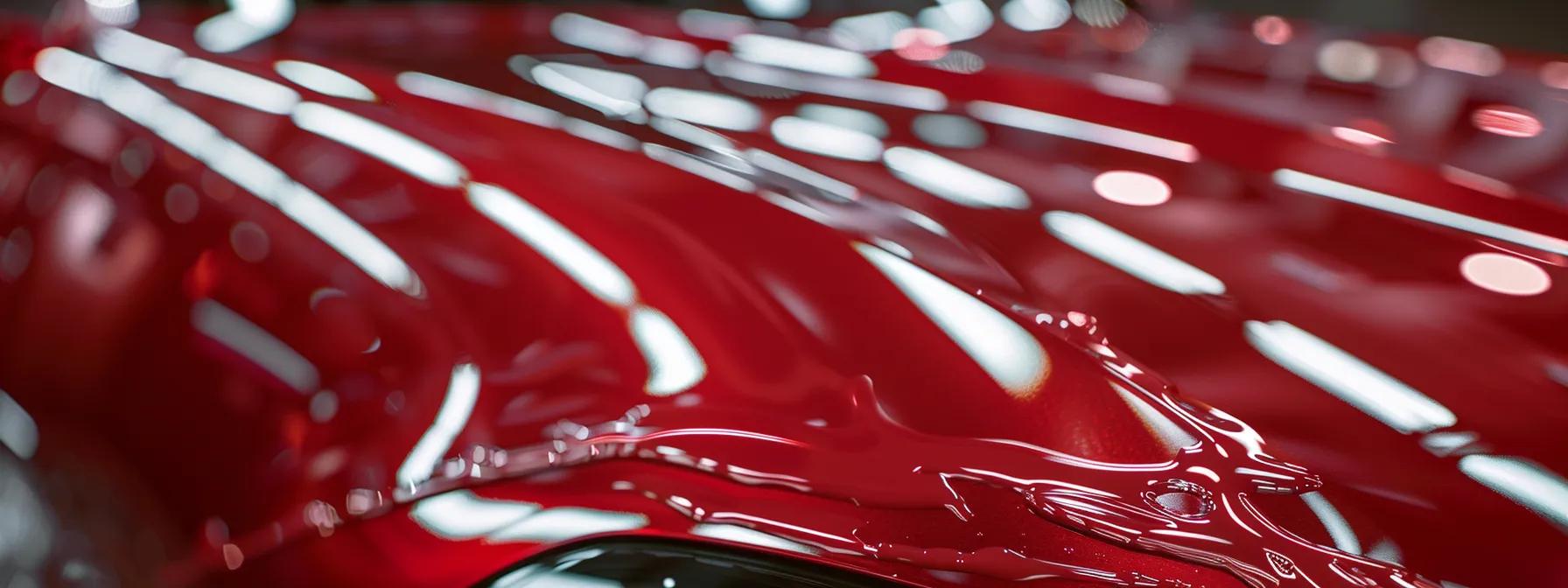
Polishing restores a vehicle’s shine and clarity, but errors in this process can irreversibly damage the finish. Many amateur detailers misapply polishing compounds or misuse tools, resulting in poor-quality outcomes.
How Does Using the Wrong Polishing Pad Affect Paint Correction?
An incorrect polishing pad causes uneven pressure distribution. Hard pads may remove excessive material with aggressive compounds, while overly soft pads might not remove imperfections effectively. Professionals select pads that balance cutting power with a gentle finish to avoid over-correction that can thin the clear coat.
Why Is Applying Too Much Pressure During Polishing a Mistake?
Excessive pressure generates significant heat, which can burn the paint or cause slight vaporization, leading to micro-abrasions and uneven gloss. A light, even touch with the proper pad and compound ensures a smooth finish and preserves the clear coat’s integrity.
What Are the Risks of Not Cleaning Polishing Pads Regularly?
Dirty polishing pads can transfer debris back onto the car’s surface, causing scratches and hotspots. Regular cleaning removes dust, grit, and product remnants, ensuring that each polishing session is effective and leaves the finish even.
How Can Choosing the Wrong Polish Impact Your Car’s Finish?
Using an unsuitable polish for the paint type or defect may result in insufficient correction or additional damage. Heavy-cut polishes on lightly aged finishes may remove too much material, while a less aggressive polish may leave imperfections. Matching the polish to the vehicle’s needs is critical for a smooth, glossy result without damaging the protective clear coat.
What Waxing Mistakes Commonly Damage Car Paint Protection?
Waxing enhances shine and provides a protective barrier. However, mistakes during this process can undermine these benefits and even expose the paint to more harm.
Why Is Applying Too Much Wax Detrimental to Your Car’s Surface?
Over-applying wax can create difficult-to-remove buildup and uneven layers that trap dust and contaminants, resulting in a cloudy finish. Excess wax also interferes with the curing process and may lead to peeling or flaking over time. A thin, uniform layer is ideal for maintaining both shine and protection.
How Does Failing to Prepare the Surface Properly Affect Waxing?
Waxing without proper surface preparation—such as not removing residual polish or oil—prevents the wax from bonding properly. Leftover contaminants act as a barrier that reduces adhesion, causing the wax layer to break down prematurely and offer diminished protection against UV rays, water spots, and pollutants.
What Are the Consequences of Waxing in Direct Sunlight?
Applying wax in direct sunlight causes it to dry too quickly and unevenly, making removal difficult and leading to streaks and spots. Rapid evaporation of solvents results in poor bonding. Waxing in a shaded area or during cooler times ensures better application and a smoother, more durable finish.
How Should You Properly Remove Wax to Avoid Residue and Damage?
Proper wax removal is vital to prevent residue that can dull the finish. Using a microfiber towel in a circular motion—along with a dedicated wax remover when needed—ensures even removal without dragging contaminants back onto the paint.
What Interior Detailing Mistakes Reduce Cleanliness and Protection?
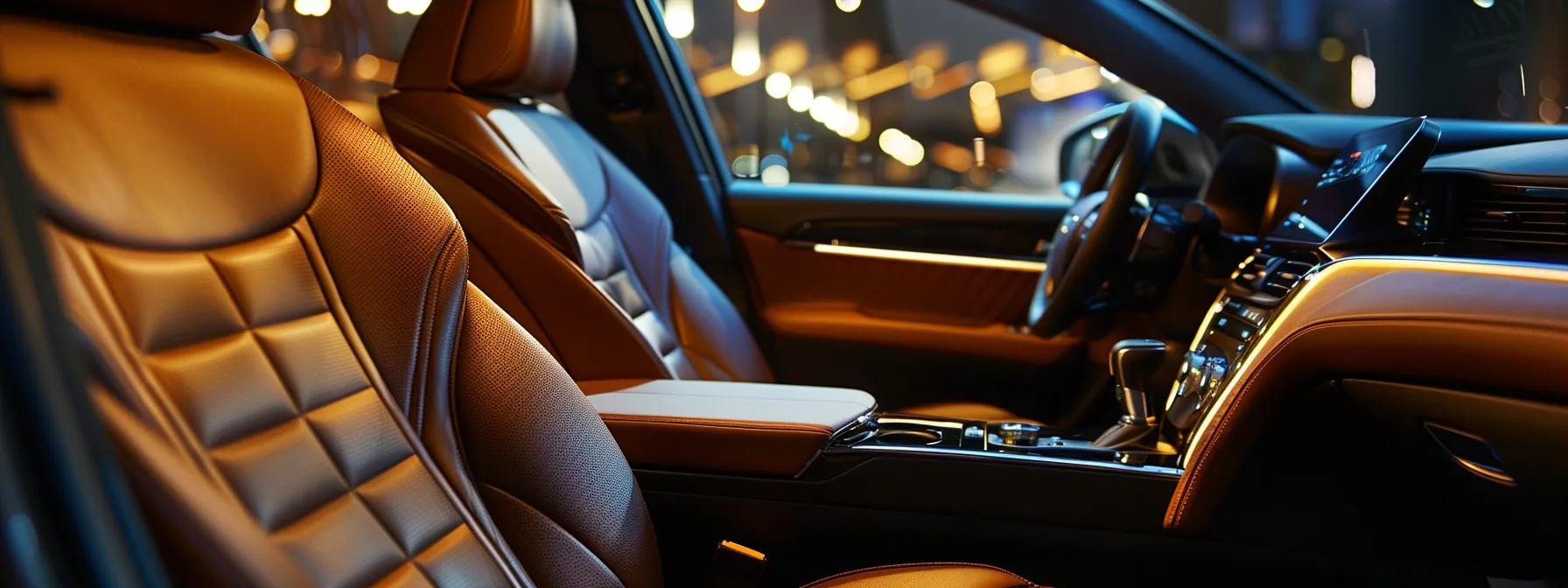
Interior detailing is as crucial as exterior care, yet many common errors can reduce overall cleanliness and damage surfaces like leather, plastics, and upholstery. Using the right cleaning products and techniques is essential for maintaining both aesthetics and longevity.
Why Is Using the Wrong Cleaners Harmful to Interior Surfaces?
Household cleaners or harsh chemicals can strip necessary protective coatings or discolor fabrics and plastics. Automotive-specific cleaners are formulated to be gentle while effectively removing dirt and grime, preserving the material’s integrity.
How Does Inadequate Vacuuming Affect Interior Detailing Quality?
Failing to vacuum thoroughly leaves dust, debris, and particles in crevices and fabric fibers. These particles can cause stains, premature wear, and even depressions in upholstery. Proper vacuuming before using any cleaning solution helps ensure a consistent, refined finish.
What Happens When You Use Too Much Interior Detailing Product?
Overusing cleaning products, such as sprays or foams, can saturate surfaces and leave sticky residue that attracts more dirt. Excess product on dashboards, seats, and floors may lead to deterioration, cracking, or fading. Following manufacturer guidelines for product application ensures effective cleaning without overwhelming the materials.
How Important Is Protecting Interior Surfaces After Cleaning?
After cleaning, applying protectants is crucial for restoring hydrophobic properties, resisting UV damage, and preventing cracking and fading. For surfaces like leather and plastics, a proper protectant forms a barrier against spills, stains, and general wear, preserving the overall aesthetic appeal.
How Can You Prevent Swirl Marks and Scratches During Detailing?
Swirl marks and scratches are among the most frustrating defects in car detailing. Preventing them starts with proper washing and continues through drying and polishing.
What Are the Best Washing Techniques to Avoid Paint Damage?
Effective washing involves using detail-specific products and tools to minimize friction. A two-bucket method—one with soapy water and one for rinsing the mitt—prevents redepositing dirt. Gentle, straight-line motions instead of circular scrubbing reduce the risk of swirl marks and micro-abrasions.
Which Drying Tools Minimize the Risk of Swirl Marks?
High-quality microfiber towels or a dedicated car dryer should be used for drying. Microfiber towels, designed with soft fibers, gently absorb water without scratching, while controlled airflow from a car dryer removes water without physical contact.
How Do Polishing Techniques Influence Swirl Mark Prevention?
Polishing should be performed with precision and care. Low-speed rotary polishers or dual-action machines distribute heat evenly, reducing the risk of burning the clear coat. The right combination of polishing compound, pad, and light pressure helps remove imperfections while reinforcing the paint’s protective layer. Regular cleaning and maintenance of tools further prevent debris transfer.
What Are the Best Practices for Choosing and Using Detailing Products?
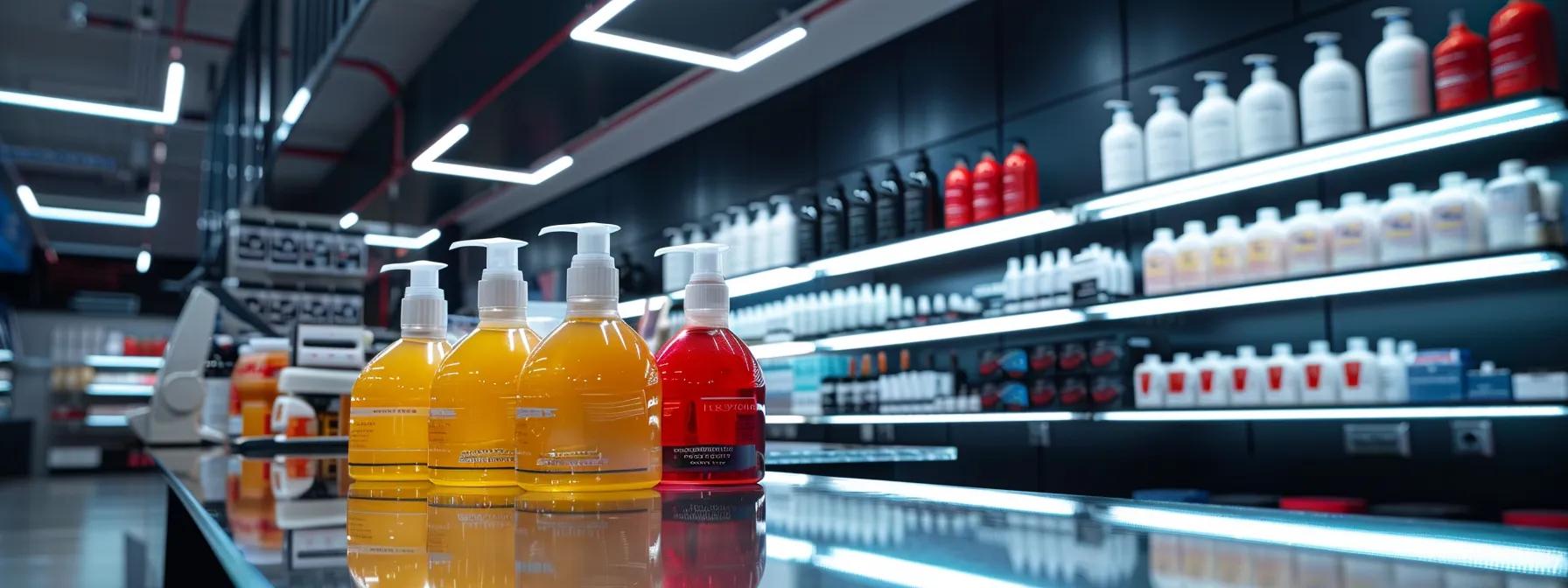
Choosing the right products and tools is critical for achieving high-quality detailing. Car care items—including car wash soap, polishes, waxes, and microfiber towels—determine the final appearance and longevity of a vehicle’s finish.
How to Select the Right Car Wash Soap for Paint Protection?
Select a car wash soap formulated for automotive finishes. It should be pH-balanced and free of harsh detergents that can weaken the clear coat. Soaps with lubricating agents help prevent micro-abrasions while cleaning effectively, ensuring both cleanliness and long-term finish protection.
What Should You Look for in Polishing Compounds and Pads?
It is important to balance cutting power with the ability to enhance gloss without damaging the paint. Look for compounds proven to remove oxidation and swirl marks, and choose polishing pads that are compatible with both the compound and your machine. Reviews and manufacturer recommendations can guide you to products that deliver consistent, high-quality results.
Which Car Wax Types Offer Optimal Protection and Shine?
Car waxes vary widely. Natural carnauba waxes offer a deep, warm shine ideal for show vehicles, while synthetic sealants provide durable protection against contaminants. Many experts recommend a hybrid approach—using synthetic sealant for lasting protection combined with carnauba wax for enhanced depth and gloss. Proper application and curing times are crucial to achieve a balanced, protective finish.
How Do Microfiber Towels and Detailing Tools Affect Results?
Microfiber towels are the industry standard for washing and drying because they gently remove and hold dirt without scratching. Advanced detailing tools, such as foam applicators and brush kits, improve the evenness and efficiency of product application. Regular cleaning and proper storage of these tools prevent contamination and ensure consistent performance.
Table: Comparison of Key Detailing Products
Before choosing your detailing products, consider the following summary of key attributes, benefits, and ideal use cases:
This table helps car owners choose products that best suit their vehicle’s needs.
When Should You Consider Professional Detailing to Avoid Common Mistakes?
While many enthusiasts try DIY detailing to save money, some situations require professional intervention. Professionals use advanced tools, industry-grade products, and refined techniques to maximize a car’s longevity and appearance.
What Are the Benefits of Hiring Professional Detailing Services?
Professional detailers offer precision and expertise that often exceed DIY results. They assess your vehicle’s condition, select proper products, and use specialized techniques to minimize risks like swirl marks and scratches. For high-end vehicles or those in harsh environments, professional services ensure existing imperfections are corrected and long-term protection is maintained.
How Can Professional Training Help You Avoid Detailing Errors?
Professional training covers automotive paint properties, product compatibility, and precise detailing techniques. Trained experts know how to control pressure, manage curing times, and prepare surfaces correctly, enabling them to diagnose and correct issues early. Even occasional consultations can significantly improve your DIY detailing results.
Which Detailing Mistakes Are Best Left to Experts?
Some tasks—such as removing deeply embedded swirl marks, significant oxidation, or repairing damaged clear coats—require the advanced equipment and expertise that most DIY enthusiasts do not have. Entrusting these tasks to professionals helps prevent further damage and preserves the vehicle’s resale and aesthetic value.
Frequently Asked Questions
Q: How often should I wash my car to avoid damaging the paint? A: Washing every one to two weeks minimizes the buildup of contaminants that can cause scratches. Pre-rinsing and using a dedicated car wash soap further protect the paint by reducing friction.
Q: Can I use household cleaning supplies on my car’s interior? A: No. Household cleaners are too harsh for automotive interiors and can strip protective coatings or discolor leather and plastics. Use cleaners specifically designed for car interiors.
Q: What is the best way to dry my car after washing? A: Use high-quality microfiber towels or a dedicated car dryer. These tools reduce friction and help prevent swirl marks. Always pat dry using gentle strokes rather than rubbing.
Q: Should I wax my car in direct sunlight? A: No. Waxing under direct sunlight causes the wax to dry too quickly, leading to uneven coverage and streaks. It is best to wax in a shaded area or during cooler parts of the day.
Q: How do professional detailers prevent swirl marks during polishing? A: They use the right combination of polishing pads and compounds with gentle techniques, such as low-speed rotary or dual-action polishers, minimizing pressure and regularly cleaning their tools.
Q: What type of wax offers the best protection for my car? A: The best choice depends on your needs. Natural carnauba wax adds a warm shine for show vehicles, while synthetic sealants offer long-lasting protection. Many professionals recommend combining both.
Q: Is it necessary to pre-rinse my car before washing? A: Yes, pre-rinsing removes loose dirt and debris that could cause scratches during washing, preserving the clarity and smoothness of your car’s finish.
Final Thoughts
Proper detailing is an art that begins with avoiding common mistakes in washing, polishing, waxing, and interior care. Understanding the risks of using unsuitable wash mitts or harsh household cleaners can significantly improve your vehicle’s longevity and appearance. By investing in the right tools, following recommended methods, and, when needed, turning to professional detailing services, you can ensure your car maintains its showroom shine. Consistent, careful detailing not only enhances beauty but also protects your investment for years to come.