ceramic coatingceramic layerceramic coating
How to Care for Your Ceramic Coating Effectively
Ceramic coatings protect your vehicle’s finish from contaminants, scratches, and degradation while maintaining a hydrophobic, glossy appearance. For car enthusiasts and everyday drivers alike, understanding proper washing techniques, maintenance products, and safe contaminant removal is essential to prolong the life of your ceramic coated vehicle—if you have any specific questions, please contact asap auto detailing. This guide provides expert advice from asap auto detailing in Salt Lake City and explains the best washing methods, recommended care products, advanced repair techniques, durability factors, and FAQs—ensuring your car retains its showroom gloss and protection for years.
Transitioning from routine cleaning to proactive maintenance preserves your ceramic coating’s performance and looks. Whether you are maintaining the hydrophobic effect, preventing water spots, or removing stubborn contaminants like bird droppings and tree sap, the right tools and techniques help safeguard your investment and enhance your vehicle’s visual appeal.
What Are the Best Washing Techniques for Ceramic Coated Vehicles?
Proper washing is essential to protect your
. Avoid aggressive actions that can damage the delicate layer. The recommended approach is the two-bucket wash method, using pH-neutral soaps and soft microfiber wash mitts. This technique minimizes swirl marks, prevents reintroducing dirt, and preserves the hydrophobic effect by separating dirty water from the clean rinse. Low-pressure water systems and foam cannons further reduce physical stress, and meticulous drying with a soft microfiber towel prevents water spots and abrasions.
How Does the Two-Bucket Wash Method Protect Your Ceramic Coating?
Using two buckets—one for rinsing and one for soapy water—keeps grit away from your wash mitt. This simple process reduces the chance of scratching the paint and preserves the coating’s hydrophobic properties. Professionals note that this method can cut micro-scratches significantly compared to interior detailing.
Which Soaps and Wash Mitts Are Safe for Ceramic Coatings?
Choose pH-neutral or slightly alkaline soaps specifically formulated for ceramic coatings to avoid harsh chemicals that might strip the protective layer. Ultra-soft microfiber mitts lift dirt gently without causing micro-abrasions. Combined with proper lubrication from safe soaps, these tools ensure an effective yet gentle cleaning process.
How Should You Dry Your Ceramic Coated Car to Prevent Water Spots?
Drying is as critical as washing. Use an ultra-soft microfiber towel or a dedicated squeegee to gently blot or lightly drag across the surface. This method helps prevent minerals from forming water spots. A quick detailer or spray sealant applied during drying further enhances the hydrophobic properties and protects the finish.
What Maintenance Products Are Recommended for Ceramic Coating Care?

Regular maintenance goes beyond washing. It involves using products designed to support and enhance your ceramic coating’s performance. Essential products include detail sprays, quick detailers, wheel cleaners, tire shines, and interior cleaners that are ceramic-friendly. These items help remove light contaminants, refresh the hydrophobic effect, and protect against brake dust and road grime while keeping your vehicle looking freshly detailed.
Detail sprays and quick detailers can be used between washes to reactivate the coating’s self-cleaning properties. For wheels and tires, pH-neutral cleaners and tire shines that use natural oils and polymers complement the coating without causing damage. Interior products formulated for delicate surfaces ensure that every area of your vehicle receives the care it needs.
How Do Detail Sprays and Quick Detailers Enhance Ceramic Coating Longevity?
These products offer an on-the-go cleaning solution that minimizes the need for frequent deep washes. They remove dust, pollen, and fingerprints without aggressive scrubbing. Formulated with silicone or sealant agents, they boost the gloss and hydrophobic properties and create a protective barrier that repels water and dirt.
Which Wheel Cleaners and Tire Shines Are Safe for Ceramic Coated Vehicles?
Select wheel cleaners that are pH-neutral to avoid stripping the coating while removing brake dust and grime. Tire shines that avoid harsh solvents and instead use natural polymers enhance the dark finish of your tires without interfering with the overall ceramic coating.
What Interior Detailing Products Complement Ceramic Coating Care?
For interior care, use mild cleaners, conditioners, and protectants suitable for leather, vinyl, and fabric. Specialized glass cleaners and dashboard protectants maintain clarity without affecting the
on the exterior. These products maintain the harmony and style of your car while ensuring all surfaces receive appropriate care.
How Can You Remove Common Contaminants Without Damaging Ceramic Coating?
Removing contaminants like bird droppings, tree sap, bugs, and tar requires care to avoid damaging your coating. Use chemicals and techniques that break down the contaminants gently without compromising the protective layer. Each contaminant may require a slightly different approach to safely remove it and preserve your coating’s integrity.
What Is the Best Way to Remove Bird Droppings and Tree Sap Safely?
Act quickly with a pH-balanced decontamination spray designed for ceramic coatings. Apply the spray directly to bird droppings or sap, allow a brief dwell time to break down the residue, and then gently wipe it away with a soft microfiber towel. This method prevents the contaminants from etching into the coating and maintains its hydrophobic effect and gloss.
How Does Iron Decontamination and Clay Bar Treatment Protect Your Coating?
Iron removers chemically break down embedded iron particles, while a clay bar treatment lifts away bonded contaminants without physical abrasion. This two-step process restores the smooth finish of your vehicle and improves water beading, setting the stage for further maintenance or additional coating.
How Should You Remove Bugs and Tar Without Affecting the Coating?
Use a specialized bug and tar remover that softens the residues before removal. After a brief dwell time to allow the product to penetrate, gently wipe the area with a soft microfiber towel or a dedicated detailing tool. Avoid excessive pressure to ensure that the coating remains intact and effective. For more information on the coatings, visit ceramic coating services.
How Do You Handle Advanced Care: Scratch Removal, Swirl Marks, and Reapplication?
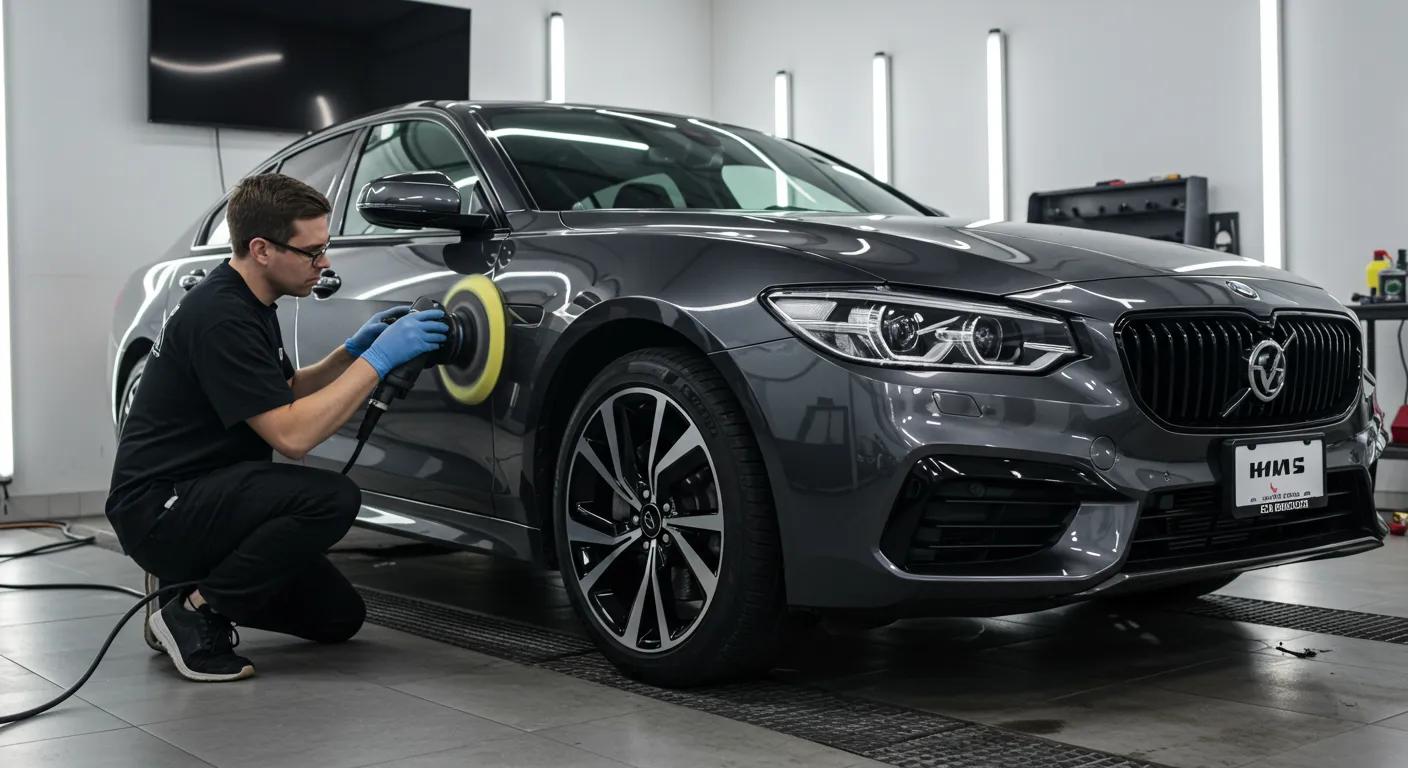
Even the best coatings can develop scratches and swirl marks from environmental exposure or improper care. Advanced repair involves using specialized compounds and polishing techniques to remove minor defects without compromising the remaining coating. When the coating shows signs of wear—a loss of hydrophobicity, dull gloss, or visible marks—it may be time for reapplication. Proper surface decontamination and light polishing prepare the surface for a new layer applied under controlled conditions.
What Are Effective Methods for Scratch Removal and Swirl Mark Correction?
A multi-step polishing process using ultra-fine polish compounds and microfiber pads is recommended. Begin with thorough cleaning and decontamination, then use a dual-action polisher with a gentle abrasive to remove the top layer of the coating where scratches are present. Finish with a light polishing compound to restore high gloss and a smooth finish.
When and How Should You Reapply Ceramic Coating for Best Results?
Reapplication is recommended when you notice diminished hydrophobicity, reduced gloss, or increased susceptibility to contaminants. The process involves completely decontaminating the surface, correcting imperfections with gentle polishing, and applying a new layer of ceramic coating under controlled conditions. Regular performance tests, such as water-beading checks, help guide the timing for reapplication.
How Can You Prevent and Treat Water Spotting on Ceramic Coatings?
Water spotting is prevented by immediately drying your car with an ultra-soft microfiber towel after washing. Using quick detailers with deionizing properties during drying neutralizes minerals that cause spots. If spots do appear, gentle cleaning solutions formulated for ceramic coatings will remove mineral deposits without abrasion, restoring clarity and maintaining hydrophobic protection.
How Long Does Ceramic Coating Last and What Factors Affect Its Durability?
The durability of ceramic coatings depends on product quality, maintenance frequency, environmental conditions, and washing techniques. Typically, high-quality coatings last between two to five years when properly applied and maintained. However, exposure to UV rays, chemical contaminants, and frequent abrasive washing can reduce their lifespan. Regular care and proper decontamination play vital roles in maximizing longevity.
What Environmental Factors Impact Ceramic Coating Lifespan?
Exposure to intense UV rays, acid rain, bird droppings, and industrial pollutants can accelerate wear on your coating. In milder environments with controlled exposure to contaminants and regular cleaning, the coating’s properties can be preserved for a longer period.
How Does Proper Care Extend the Life of Your Ceramic Coating?
Gentle washing techniques, appropriate cleaning products, and timely decontamination reduce physical and chemical stress on your coating. Regular use of maintenance products like detail sprays helps keep the surface refreshed and delays the need for reapplication.
Can You Wax or Use Other Products Over Ceramic Coating?
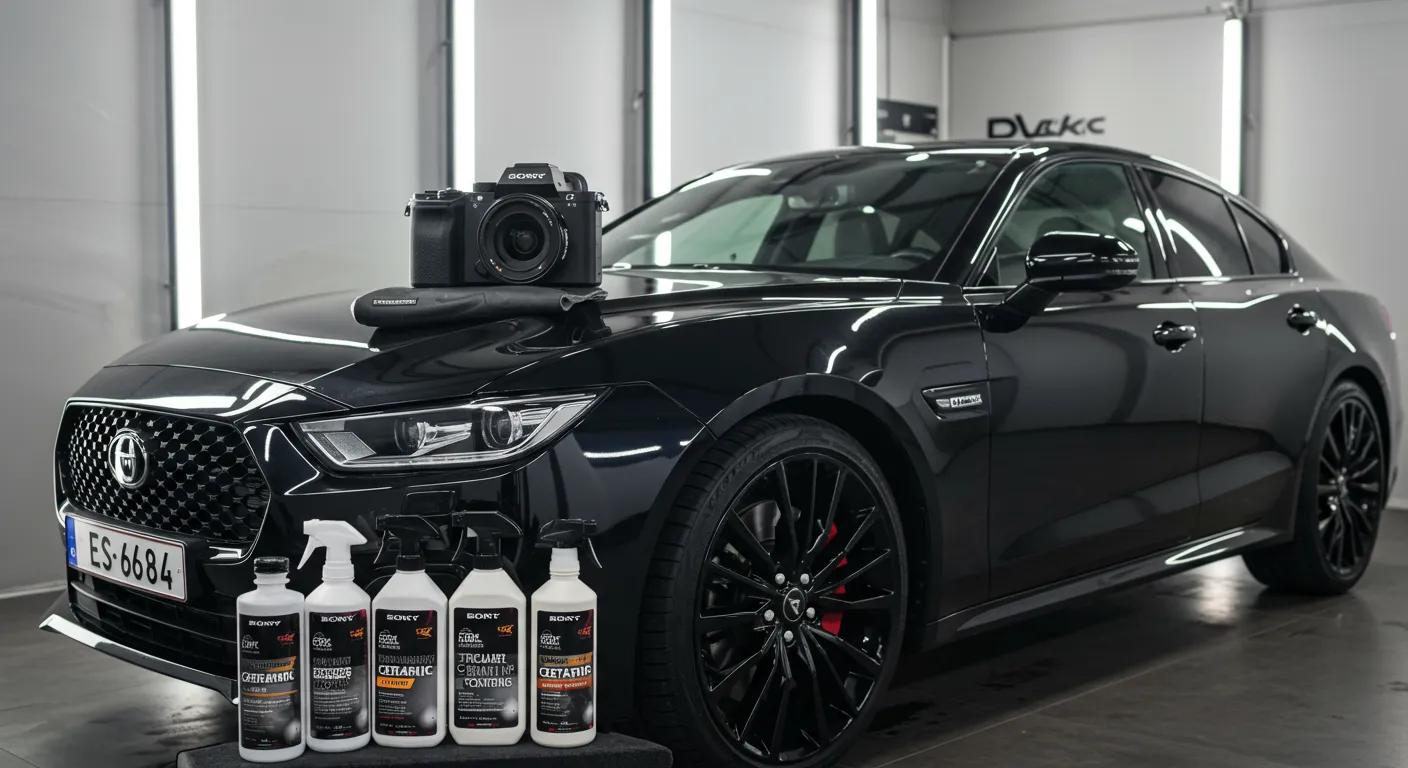
Layering products over a ceramic coating requires careful selection to avoid interference with its performance. Traditional wax is usually unnecessary and may even diminish the hydrophobic effect. Instead, use products specifically formulated for ceramic coatings, such as synergistic detail sprays or sealants, which add protection without compromising the coating’s benefits.
What Are the Risks of Waxing Over Ceramic Coating?
Waxing can interfere with the ceramic coating’s hydrophobic properties, trap contaminants, and lead to haze or reduced gloss. Because ceramic coatings are designed to be self-cleaning, adding wax may create conflicts that decrease overall performance.
Which Products Are Safe to Use on Ceramic Coated Surfaces?
Always opt for products explicitly designed for ceramic coatings. These include pH-neutral wash soaps, soft microfiber towels, detail sprays, and quick detailers that are silicone-free. Advanced decontamination products like iron removers and gentle clay bars, as well as wheel cleaners and tire shines formulated for ceramic applications, ensure that every part of your vehicle is safely maintained.
What Are the Most Common FAQs About Ceramic Coating Care?
Regular maintenance often raises several common questions regarding ceramic coatings, from washing frequency to reapplication timing. Below are frequently asked questions that help clarify best practices for preserving your vehicle’s coating.
How Often Should You Wash a Ceramic Coated Vehicle?
A hand wash every one to two weeks is optimal to prevent build-up and maintain the coating’s hydrophobic and glossy benefits. Over-washing or high-pressure systems may damage the coating, so it’s best to stick with gentle methods adapted to the vehicle’s environment.
Can You Use Automatic Car Washes on Ceramic Coated Cars?
Automatic car washes with brushes are generally not recommended due to the risk of swirl marks and micro-scratches. Touchless car washes that use low-pressure water jets may be acceptable, but hand washing remains the best practice to preserve the coating’s integrity.
How Do You Know When Your Ceramic Coating Needs Reapplication?
Look for signs such as reduced water beading, dull gloss, visible scratches, or swirl marks. Regular inspections and water-beading tests can help indicate when the protective layer is wearing thin and when a professional reapplication might be needed.
Frequently Asked Questions
Q: What percentage of water beading indicates a healthy ceramic coating? A: A healthy ceramic coating produces uniform droplets that roll off easily. Any noticeable decrease in beading may indicate that the coating’s effectiveness is reducing.
Q: Is it safe to use a foam cannon on a ceramic coated vehicle? A: Yes, provided you use pH-neutral, ceramic-safe soaps. Foam cannons help pre-soak and lift dirt gently, reducing the need for aggressive scrubbing. For more information on proper maintenance, check out why ceramic coating is the ultimate low maintenance paint protection.
Q: Can harsh detergents weaken my ceramic coating over time? A: Harsh detergents can weaken the polymer bonds and reduce both hydrophobicity and gloss. It is best to use detergents specifically formulated for ceramic coatings.
Q: Do environmental pollutants significantly impact the lifespan of a ceramic coating? A: Yes, pollutants like dust, bird droppings, and acid rain can erode the coating if not promptly removed. Regular decontamination is essential for maintaining longevity.
Q: How often should the coating be re-applied to maintain maximum protection? A: Typically, high-quality coatings last between two to five years with proper care. Reapply when water beading and gloss noticeably decline, as determined by inspections.
Q: Are there any specific tools recommended for removing stubborn contaminants without damaging the coating? A: Soft microfiber towels, dedicated clay bars, and pH-neutral decontamination sprays are ideal for safely removing contaminants like tar, tree sap, and iron particles.
Q: Can detailing by professionals provide better maintenance compared to DIY methods? A: Professional services, like those offered by ASAP Auto Detailing, use advanced techniques and specialized products that often achieve deeper decontamination and more effective scratch correction than DIY methods.
Final Thoughts
This guide has outlined essential techniques for preserving the integrity of your ceramic coating. From proper washing and careful decontamination to advanced scratch removal and appropriate product choices, every step is designed to maintain the protective benefits and glossy finish of your vehicle. By integrating these practices into your routine care, you protect your investment and keep your car looking new for years to come. Regular inspections and proactive maintenance remain the cornerstones of a high-performing, long-lasting
.